What is recorded here
In 1852, a glass urn containing a cremation was reported to the Royal Irish Academy by a Mr. Perry, who stated that it had been, ‘found in a rath and protected by stones in a field of his near Stonyford, Co. Kilkenny’ (Bourke 1989, 56). A bronze disc mirror had been used as a lid for the urn and it was accompanied by a glass phial, also known as a lachrymatory or unguentarium (ibid. 56-7). They appear to have been within a stone-lined pit or cist. According to Bourke (1994, 164), the burial is, ‘typical of the Roman middle-class burial rite of the first and second centuries AD’, though the, ‘most likely date for the Stonyford burial is late first century’.
Independent research by Cóilín Ó Drisceoil (2013, 12) and Aideen Ireland (2014-15, 41) led both of them to conclude that this burial is most likely to have come from a barrow at Ballycoam (KK027-035----). This barrow was levelled in the 1990s (Rassmann et al. 2019, 353).
Compiled by: Jean Farrelly
Cremation burial associated with a rath, likely dating to the Early Christian or Iron Age period. Its significance lies in the rare survival of a glass urn, indicating possible high-status burial or contact with wider trade networks.
The monument record does not grant public access. Check the route and ask the landowner before entering private land.
- What survives
- Recorded monument
Places near here
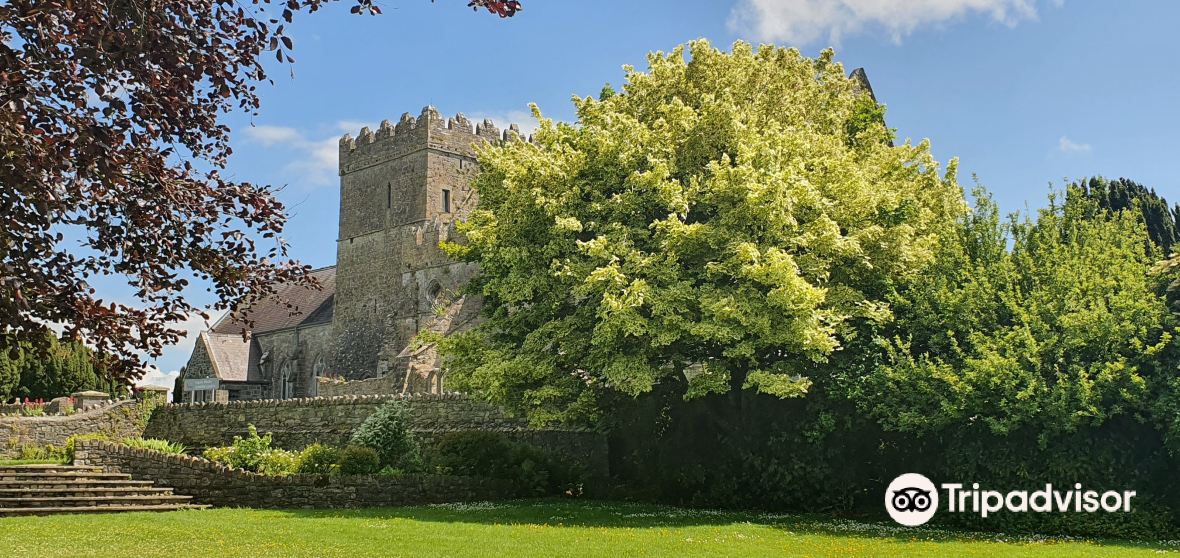 Enclosure in BallycoamEnclosure · 49 yd
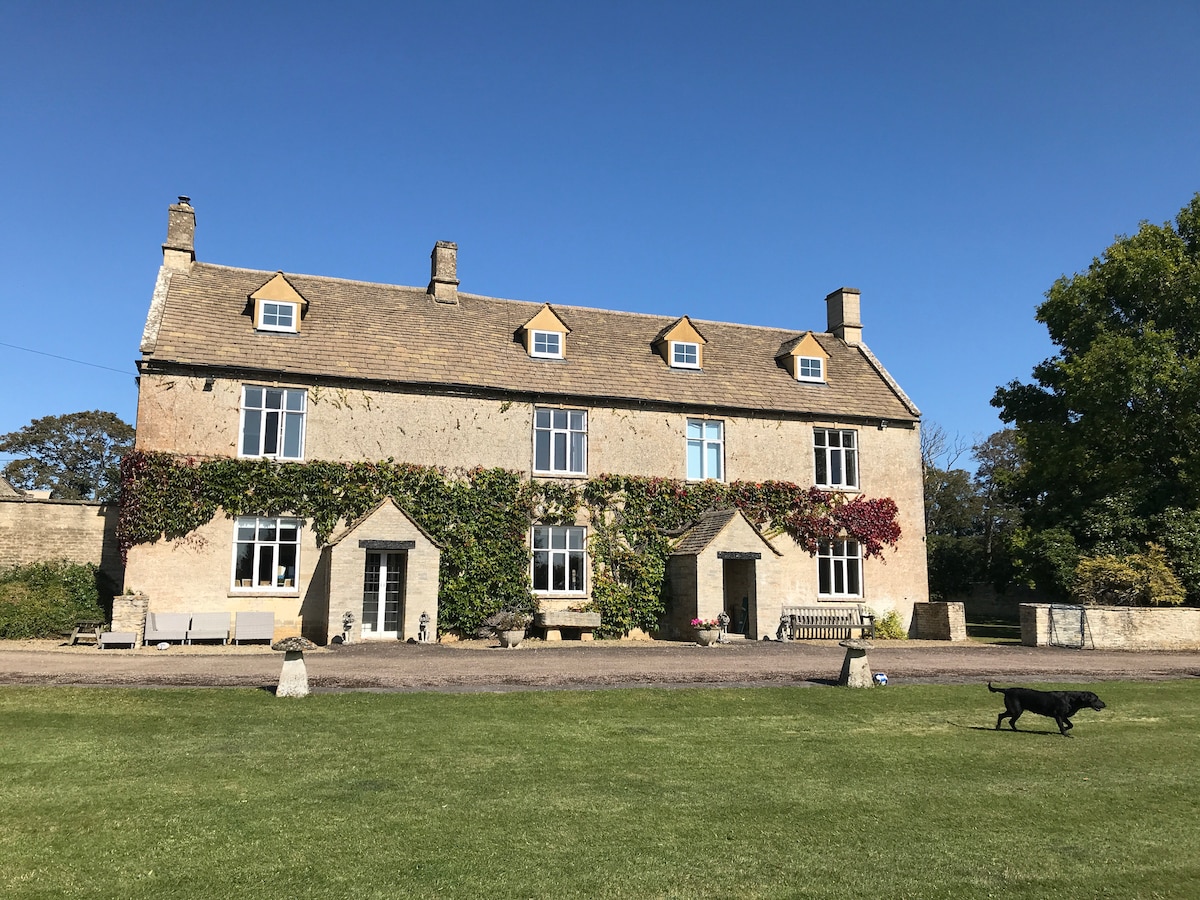 Enclosure in CotterellsboolyEnclosure · 286 yd
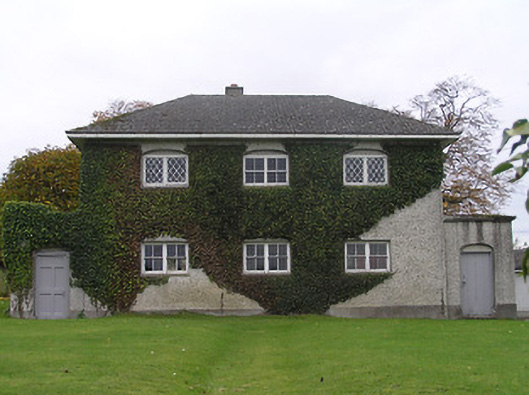 Stonyford Schoolbank/financial institution · 741 yd
 Site of Village Well 1810-1950Memorial · 856 yd
 Site of Lee's ForgeMemorial · 890 yd
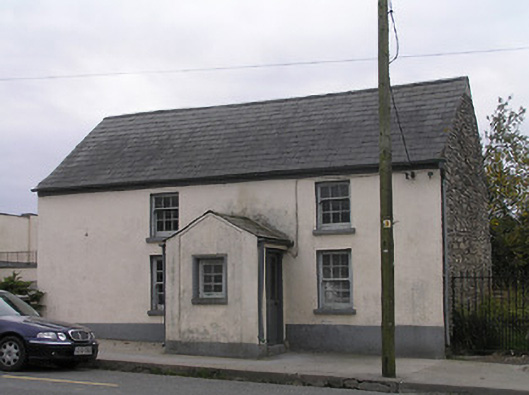 unknownunknown · 915 yd
 CastleCastle, unclassified · 1.1 mi
 Mount Juliet HouseCastle · 1.1 mi
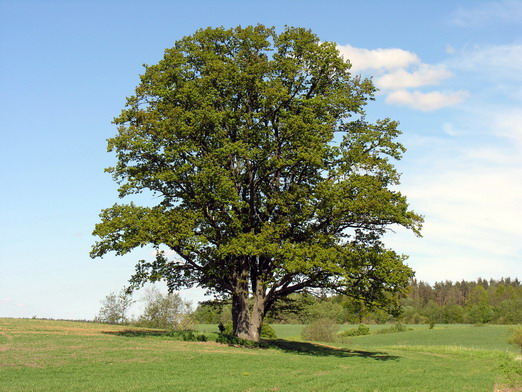 Pedunculate OakPedunculate Oak · 1.3 mi
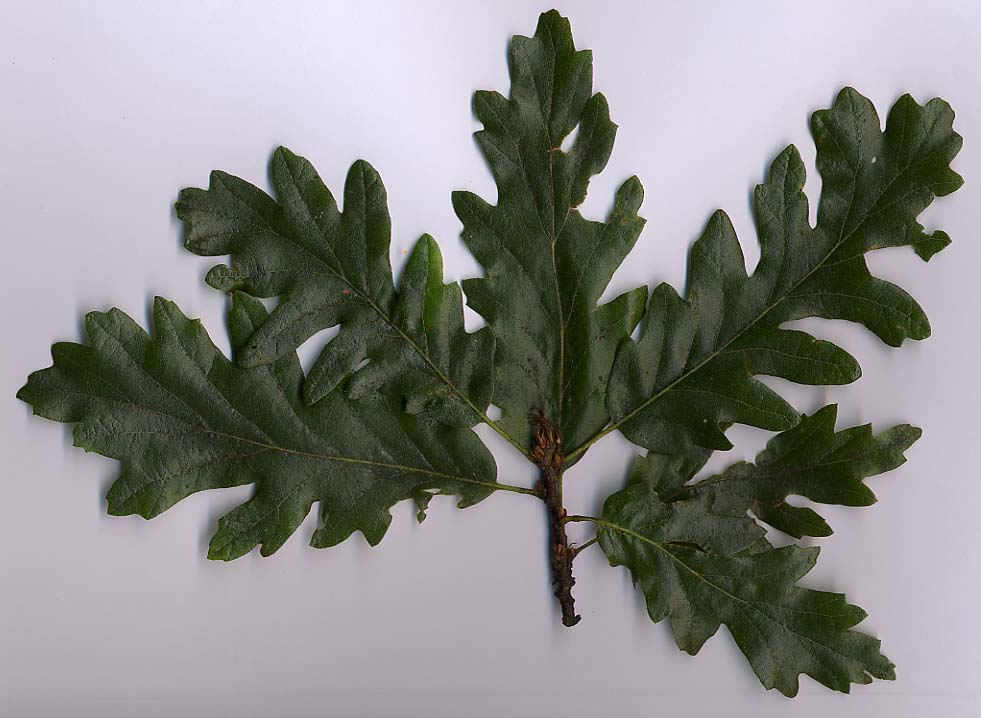 Turkey OakTurkey Oak · 1.9 mi
 Kells Augustinian PrioryHeritage attraction · 2.2 mi
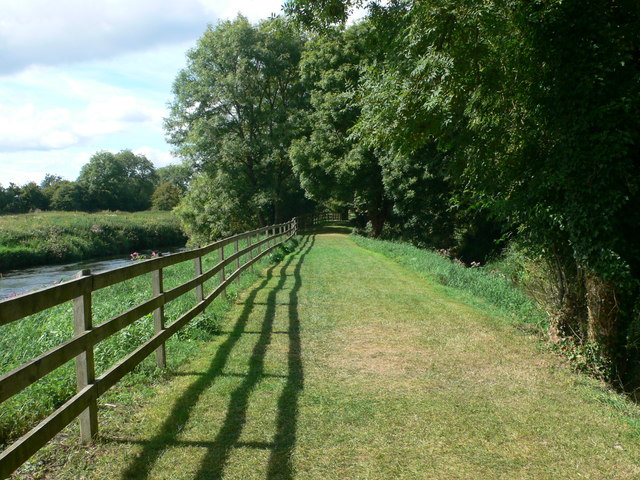 Kells Loop WalkWalking route · 2.4 mi