What is recorded here
Bullaun stone in Loughan stands inside a modern graveyard wall on a natural rise, marked by two shallow upper depressions and a large hollow underside. The adjacent church outline dates to the late medieval period, while the graveyard holds 18th and 19th-century headstones. Together they suggest a place where worship, memory and everyday life continued long after the first stones were set.
Situated on a natural rise of ground in undulating countryside. Present remains consist of a modern graveyard wall enclosing a square shaped area with the outline of a church (OF045-032001-) in the W sector. Architectural fragment consisting of an ogee headed window indicates late medieval date for church. Other fragments include a bullaun stone with two shallow depressions on its upper surface and a large hollow depression on its underside. A roughly rectangular shaped stone with a hole which has a convex bulbous bottom. Possibly the base of a cross (OF045-032005-). Graveyard (OF045-032004-) contains 18/19th-century headstones. According to O' Flanagan (1933, vol. 2, 68) this site was known as the church of Finglas.
The above description is derived from the published 'Archaeological Inventory of County Offaly' (Dublin: Stationery Office, 1997). In certain instances the entries have been revised and updated in the light of recent research.
Date of upload: 23 May 2011
Likely dating to the early medieval period, the bullaun stone may have been used for ritual purposes, possibly in connection with Christian or pre-Christian ceremonies. Such stones are often associated with holy sites or monastic foundations and may have been used for anointing or as a font.
The monument record does not grant public access. Check the route and ask the landowner before entering private land.
- What survives
- Recorded monument
Places near here
 Cross in LoughanCross · 8 yd
 Enclosure in Moatquarter (rathnaveoge Par.)Enclosure · 885 yd
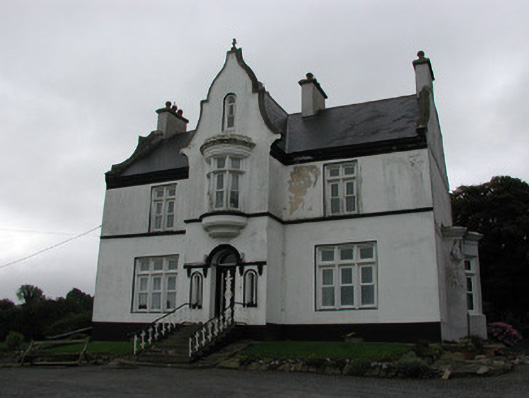 The Rectoryrectory/glebe/vicarage/curate's house · 926 yd
 MoatCastle, motte · 1075 yd
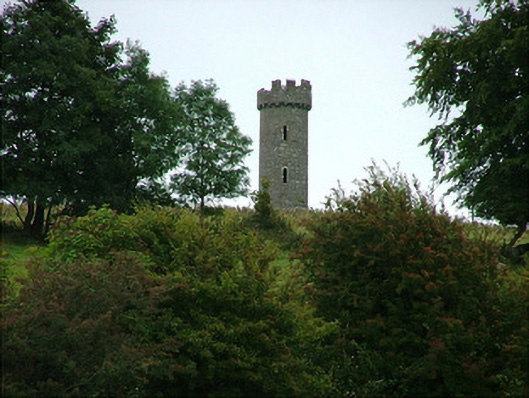 Busherstown Towerfolly · 1151 yd
 CastleCastle, motte · 1.3 mi
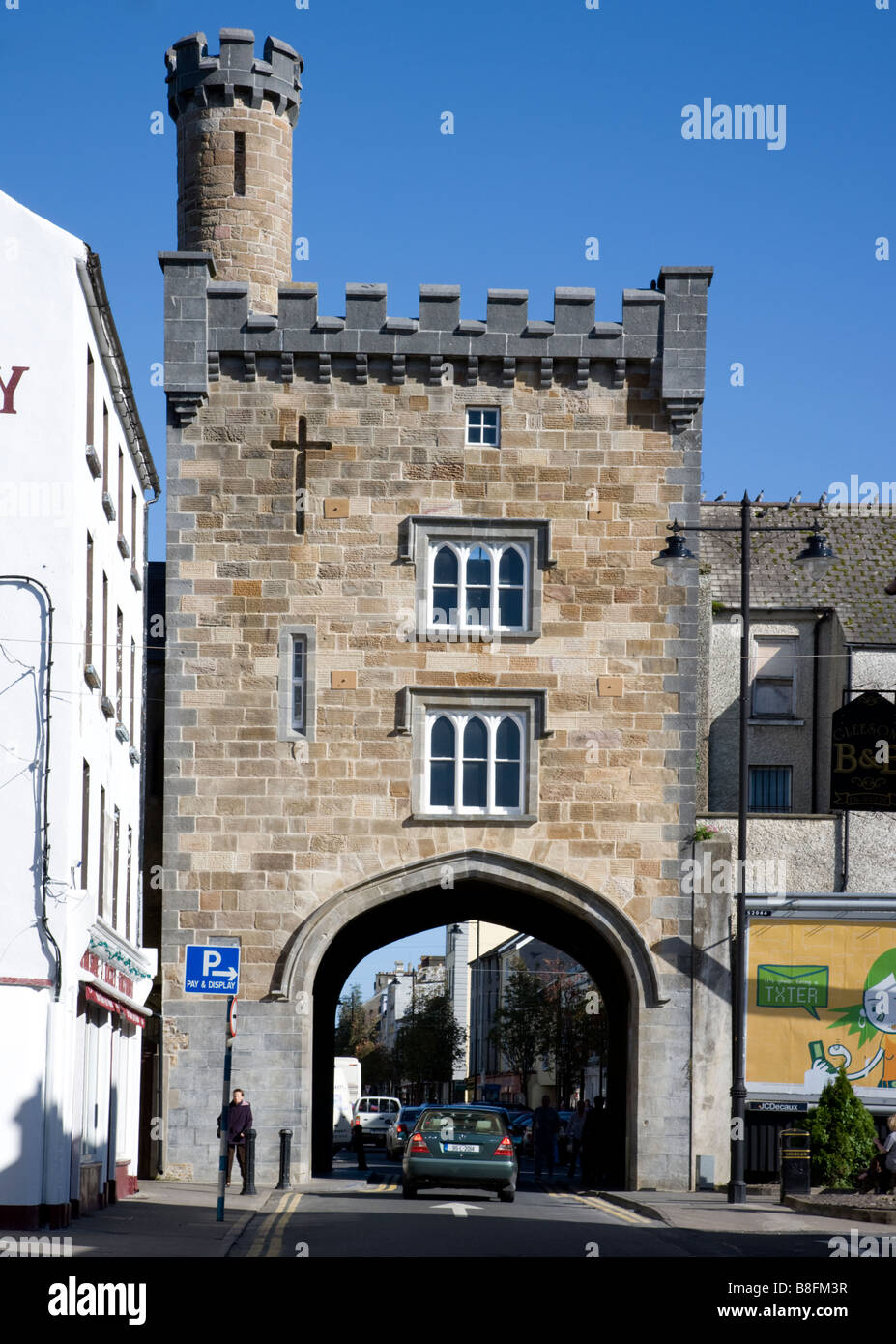 BenduffMountain / peak · 2.6 mi
 Longford WoodForest · 2.9 mi
 Borrisnoe MountainMountain / peak · 3.9 mi
 Kyleroe WoodWood · 4.7 mi
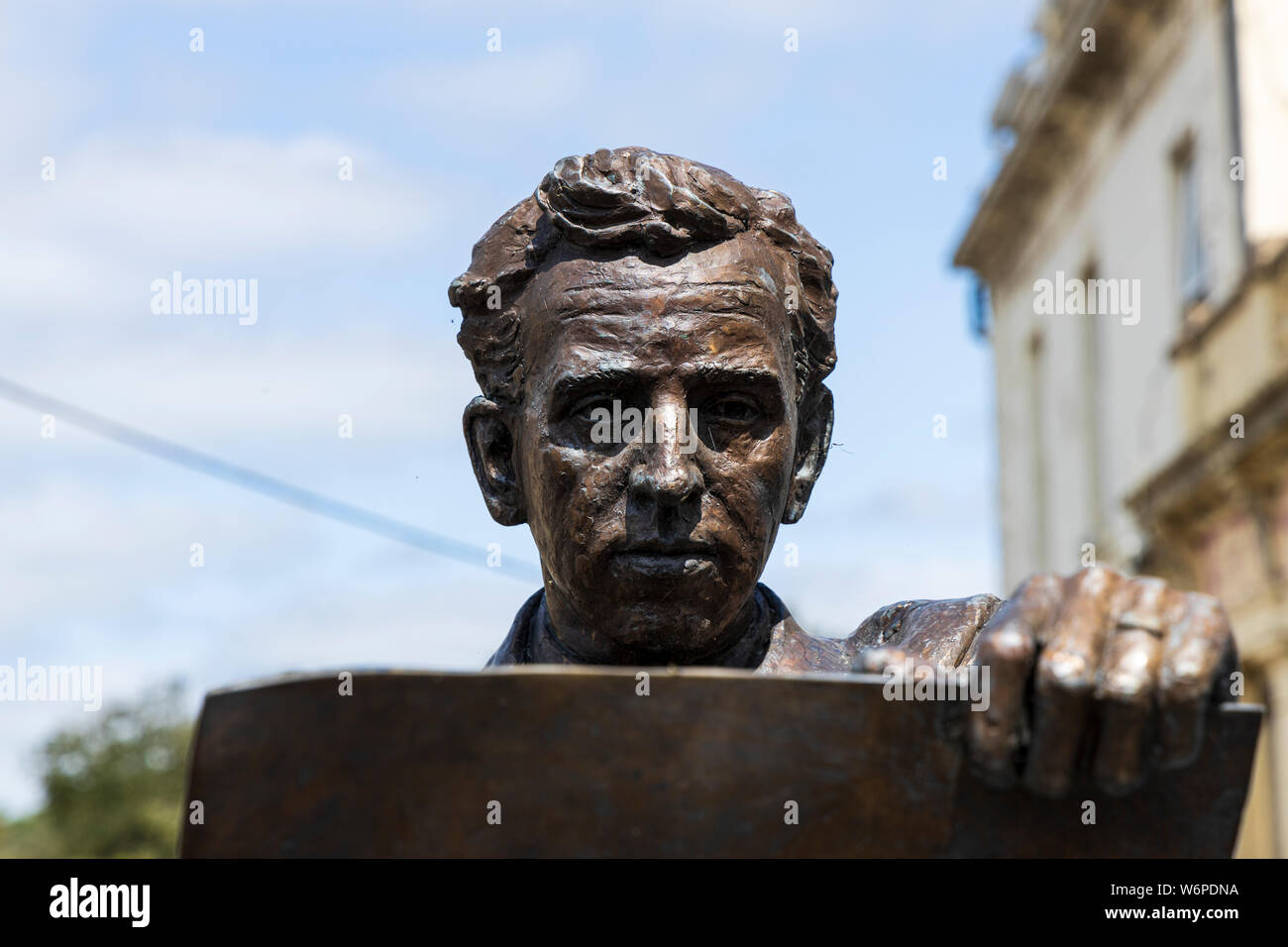 Thomas MacDonagh Heritage CentreMuseum · 5.8 mi
 MacDonagh HouseMemorial · 5.9 mi