What is recorded here
Kilmanaghan graveyard holds a small rough boulder with an oval hollow cut through its surface, cemented onto a pedestal beside ruined church walls. The smooth depth of the dip suggests ancient prayer, yet the angular shape and tiny size point instead to a medieval water stoup for washing hands before mass. Either way, the stone survived burial and reappeared during a 1970s clean-up, carrying forgotten rituals into the light beside the remains of the church that once stood there.
Cemented onto small pedestal of cut stone blocks up against the external S face of SE angle of church ruins (OF002-030004-) in Kilmanaghan graveyard (OF002-030002-). An oval-shaped hollow (top diam. 0.31m; base diam. 0.11m; D 0.14m) is cut into the surface of a roughly shaped boulder (0.6m X 0.39m; H 0.26m). It is not clear whether this stone represents a bullaun stone of Early Christian date or if the stone may have been used as a water stoup in the medieval church ruins. The small size of the boulder along with the angular shape of the stone may suggest that it was used as a stoup in the medieval church. However the shape and smoothness of the oval-shaped depression would be suggestive of a bullaun stone classification. This boulder may have been found during the graveyard clean-up in the 1970s when an Early Christian cross-slab (OF002-030003-) was also uncovered.
Compiled by: Caimin O’Brien
Date of upload: 30 September 2014
Probably dating to the early Christian period, the bullaun stone was likely used for ritual or symbolic purposes, such as the preparation of holy water or as a site for pilgrimages. In folklore, such stones are often associated with healing and saintly traditions.
The monument record does not grant public access. Check the route and ask the landowner before entering private land.
- What survives
- Recorded monument
Places near here
 Church (in Ruins), Grave YardChurch · 11 yd
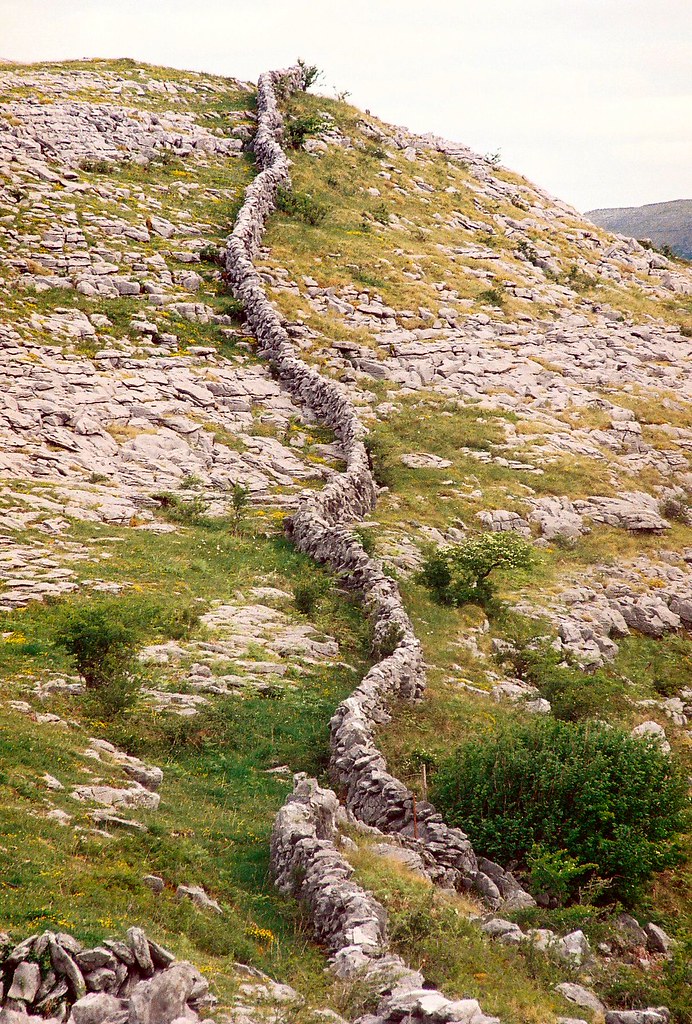 Roughan HillMountain / peak · 510 yd
 Enclosure in KilmanaghanEnclosure · 512 yd
 ToberaskeenSpring · 582 yd
 Gorteen CastleCastle, unclassified · 749 yd
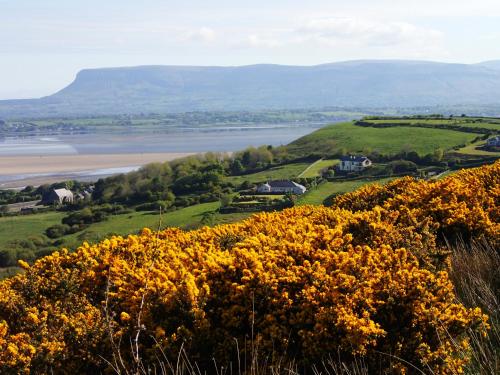 Enclosure in Gorteen (kilcoursey By.)Enclosure · 1308 yd
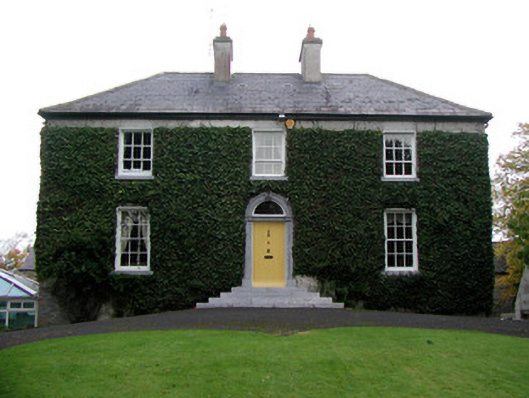 Tober Househouse · 1435 yd
 Moyally Castle (in Ruins)Bawn · 2.0 mi
 Chapel HillForest · 2.3 mi
 Inchaloon IslandIslet · 2.4 mi
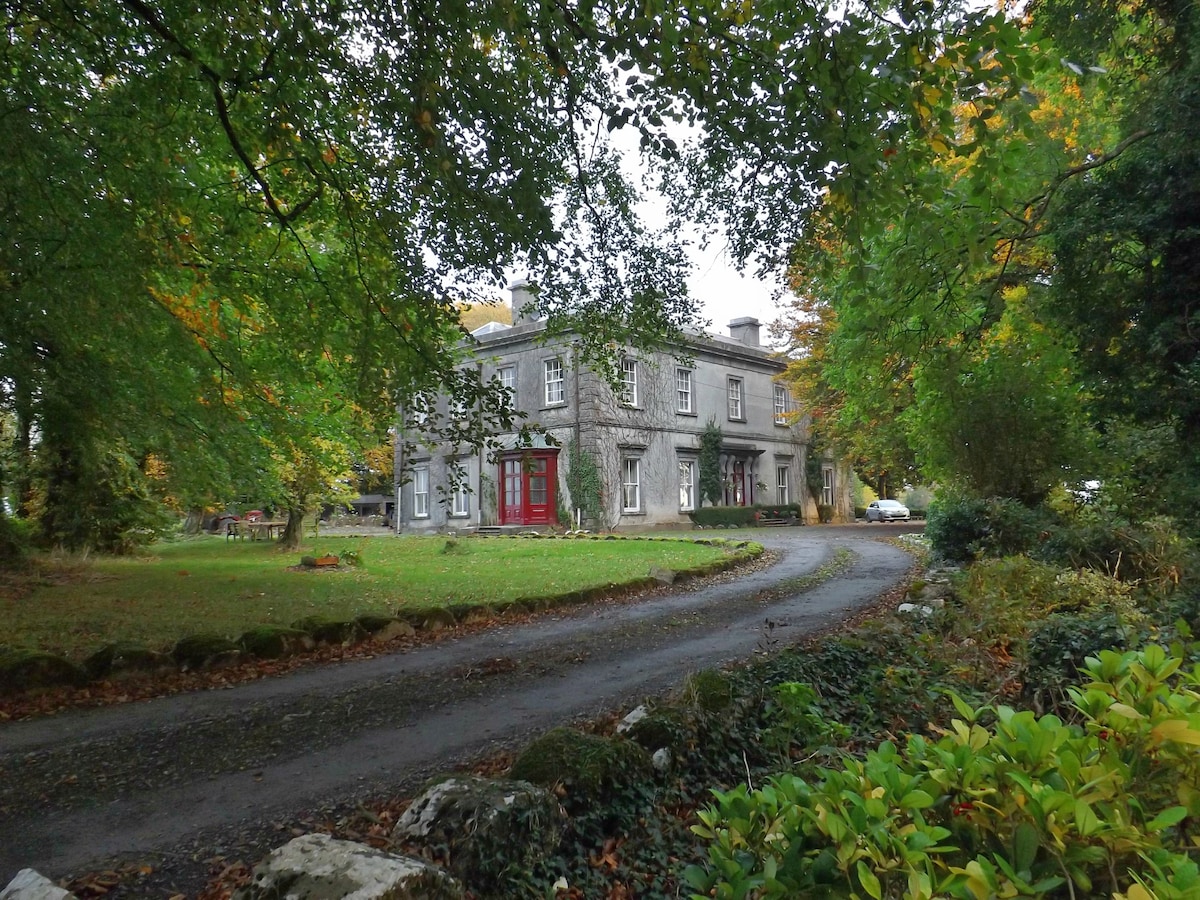 Kilmalady HillMountain / peak · 2.8 mi
 Clara Bog BoardwalkHeritage attraction · 3.1 mi