What is recorded here
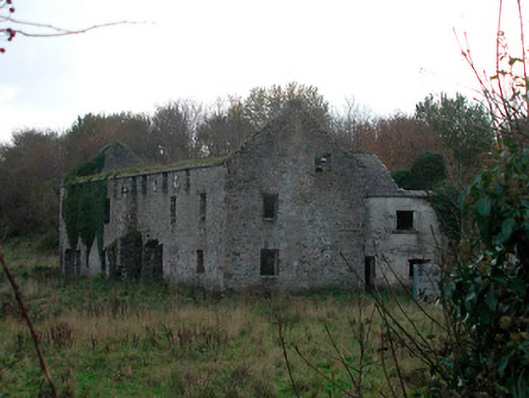
Detached multiple-bay three-storey former bleach/linen/scutching mill, built c.1780, having a two-storey return to the west elevation. Single-bay single-storey former entrance porch with a segmental-headed opening to the centre of the east-facing elevation. Now a roofless ruin. Originally had pitched natural slate roofs, partially remaining to return. Projecting cut stone eaves course and with the remains of brick chimneystacks to main body of building. Constructed of random rubble stone with roughly dressed limestone quoins to the corners. Rendered finish to rear return and some sections of render surviving to the main body of the building. Square and segmental-headed window and door openings, fittings now gone. Segmental-headed carriage-arches. Set back from road a short distance to the south of the River Brosna. Former bleaching green to the southwest.
The remains of a large-scale former linen/bleach mill, which retains it imposing industrial character despite being in a ruinous condition. This substantial mill was engaged in the processing of flax into linen, which was a flourishing industry in Westmeath, particularly in the south of the county, during the eighteenth century. Arthur Young, the English economist, writing in 1775, reported that flax was the most common crop grown in the neighbourhood of Moate. It is likely that this mill dates from the second half of the eighteenth century and it is a physical reminder of this past rural industry. The large number of windows to the top storey indicates a process that required a good deal of natural light, perhaps some form of textile production. The field to the southwest is indicated as the ‘old bleach green’ (for bleaching linen) on an 1838 map, indicating that it was used in the industrial process. This building has a number of infilled openings and this suggests that this building was altered on a number of occasions and that it was probably in active use of a considerable period of time. This robust structure is an integral part of the industrial heritage of Westmeath and it adds to the historic veneer of the rural landscape of south County Westmeath.
This does not grant access. Most recorded buildings are privately owned; view them only from public ground unless the owner allows entry.
Places near here
 Lismoyny Bridgebridge · 111 yd
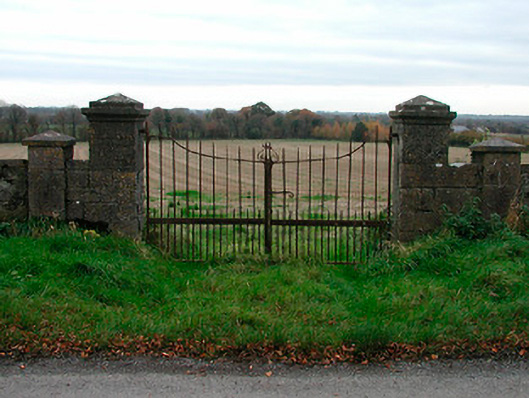 gates/railings/wallsgates/railings/walls · 898 yd
 OutlinedEnclosure, large enclosure · 1186 yd
 Cist in BallickmoylerCist · 1193 yd
 CastleCastle, unclassified · 1698 yd
 High WoodWood · 1.7 mi
 Kilcoursey Castle (in Ruins)Bawn · 1.8 mi
 St. Columba's WellSpring · 2.1 mi
 Chapel HillForest · 2.2 mi
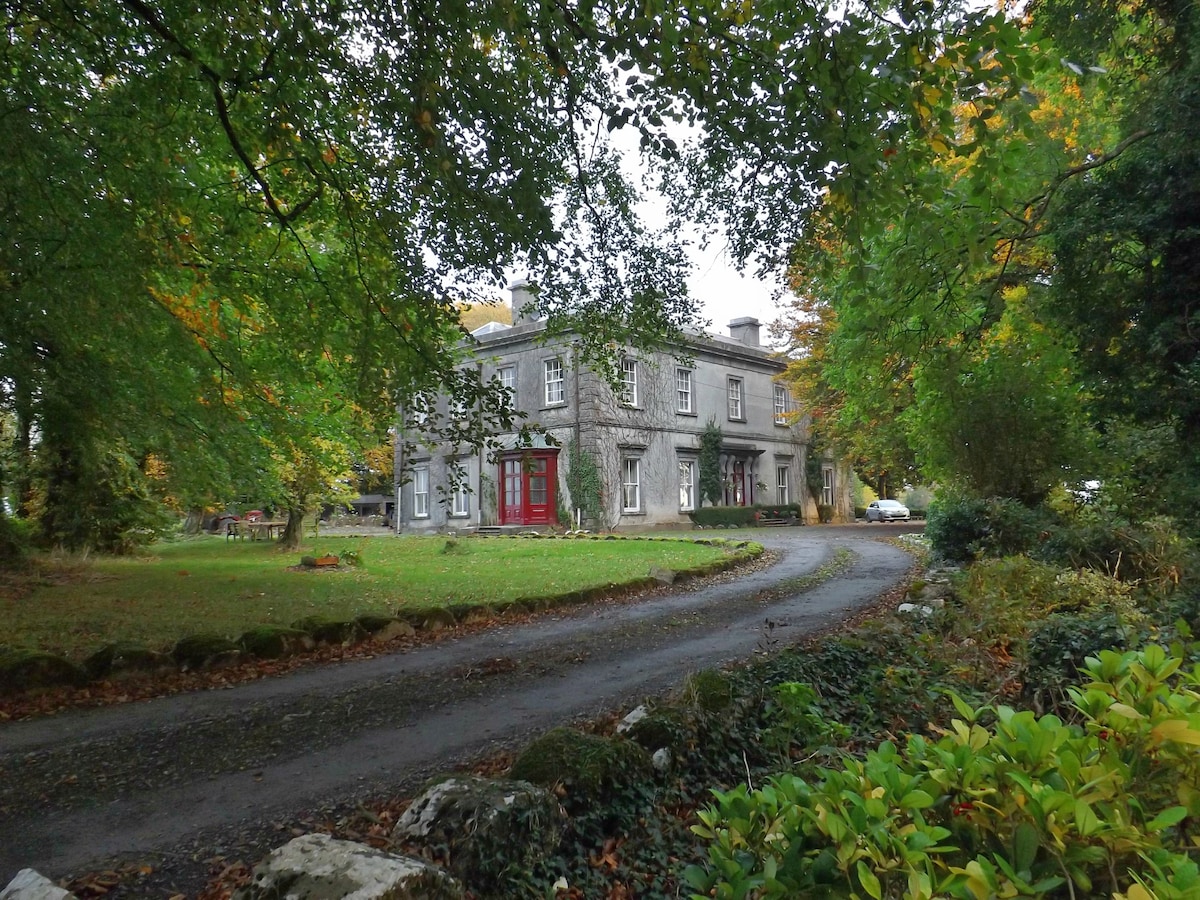 Kilmalady HillMountain / peak · 2.3 mi
 Clara Bog BoardwalkHeritage attraction · 3.5 mi
 Trumpet HillMountain / peak · 3.8 mi
Other information
Photo: National Inventory of Architectural Heritage · Website use allowed for educational or private purposes with source credit