Places near here
Photo credits
- National Inventory of Architectural Heritage
- Windmemories, Wikimedia Commons · CC BY-SA 4.0
- Rwxrwxrwx, Wikimedia Commons · CC BY-SA 4.0
- Sir James, Wikimedia Commons · CC BY-SA 3.0
- Dedris, Wikimedia Commons · CC BY-SA 4.0
- Taken by Fanghong, Wikimedia Commons · CC BY-SA 3.0
- Agence Rol, Wikimedia Commons · Public domain
- NateBergin, Wikimedia Commons · CC BY 4.0
- Paul Shanahan, Wikimedia Commons · CC BY-SA 4.0
- Filip Scridon, Wikimedia Commons · CC BY-SA 4.0
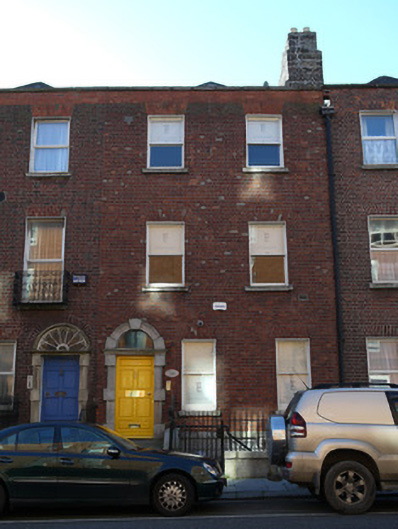
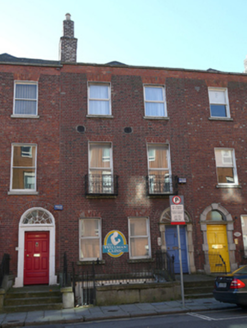 The Wellman ClinicHouse · 7 yd
Explorer Tom House on Eccles Street is dressed up in granite like it’s going to a fancy dinner party nobody invited it to. Give it a wink if you feel brave enough to survive its judgemental stare.
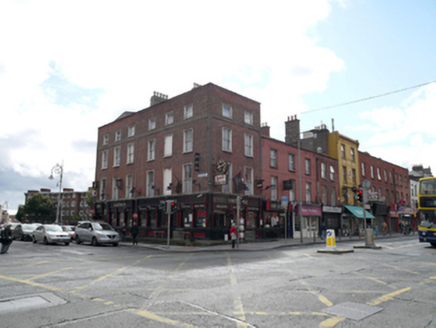 The Temple/KavanaghsHouse · 58 yd
Explorer Tom House on Dorset Street Upper is a former pair that’s now one big pub-front entity, which is a whole vibe. It turns the corner nicely and keeps those timber sash windows looking proud. Look see how it handles the traffic without complaining about the noise.
 T & J. Hogan / Bleecker StHouse, shop/retail outlet · 61 yd
Explorer Tom This Dorset Street Upper house from 1790 got a granite shopfront slapped on it in 1890, now running a café and pretending it’s always been commercial. It’s got modillion blocks on the parapet that look like they’re trying to be classical. The neo-classical mouldings are just showing off their carving skills.
 Chinese Toon303 yd
Explorer Tom Chinese Toon in County Dublin would rate its visitors two stars out of five for lack of appreciation. It smells amazing but acts like you owe it rent for breathing the air around it. Linger, it's not going anywhere and neither should you.
 Hugh Lane GalleryGallery · 374 yd
Explorer Tom Hugh Lane Gallery in County Dublin shows art that probably makes you feel stupid for liking pop music. Stand there and look thoughtful until someone asks if you're lost.
 Dublin Writers MuseumMuseum · 381 yd
Explorer Tom Dublin Writers Museum in County Dublin is where all the poets and novelists hang out. It’s in Parnell Square, so it’s got good vibes. Pop in and see if you can find a quill pen or a broken typewriter to admire while sipping on a coffee.
 Sir Samuel FergusonMemorial · 507 yd
Explorer Tom Sir Samuel Ferguson has a commemorative plaque in County Dublin, which is basically a fancy sticky note saying 'he was here.' He was a poet, so he probably rhymed it. Look for the rhyme!
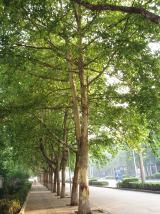 London Plane912 yd
Explorer Tom Another London Plane in County Dublin is just vibing there, ignoring all the nosey neighbours. Hang around long enough and you’ll hear a story from a local who definitely knows nothing.
 Burning of the Custom HouseArmed conflict · 1372 yd
Explorer Tom Burning of the Custom House in County Dublin was a bargain gone wrong with fire involved. It looks dramatic from a distance, which is good for photos. Stand back, squint, and it looks like a castle.
 IndicatedCathedral · 1.0 mi
Explorer Tom Cathedral. Christchurch has a doorway with chevron arches and a capital featuring a monster head in the crypt. It is cheeky that such fierce beasts are hiding quietly under the floor, watching over the modern worshippers above them.
 Croppies Acre MemorialMemorial · 1.1 mi
Explorer Tom Croppies Acre Memorial in County Dublin has a great exterior view waiting for you. It’s a memorial, so keep it dignified, but also check out the surroundings. The whole place looks like it’s posing for a history book cover.
 Royal BarracksBarracks · 1.1 mi
Explorer Tom Royal Barracks: The very first Dublin barracks, built on land bought from the Duke of Ormonde in the early 1700s. It sounds like a real estate deal where the landlord got paid in military discipline and noise.
More historic places in County Dublin · All of County Dublin

What do you know about this place?Tap to add a comment or ask a question