What is recorded here
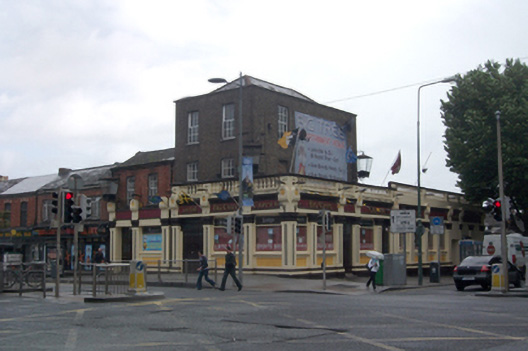
Corner-sited public house, formerly pair of three-storey houses, built c.1825, incorporating two-bay two-storey house to north, and with projecting flat-roofed public house addition to both elevations added c.1870. Hipped natural slate roof to former houses with clay ridge tiles behind parapet wall with granite coping. Yellow brick walls laid in Flemish bond, red brick to two-storey section. Gauged brick flat-arched window openings with patent rendered reveals, granite sills and replacement timber windows. Decorative painted rendered pub-front spanning both elevations, including single-storey projection to south extending east along North Circular Road. Pub-front comprises series of fixed display windows on moulded sills and panelled stall risers, each flanked by robust stop-chamfered pilasters having ceramic tiled panels, stiff-leaf capitals and surmounted by segmental-headed gablets with rosettes. Deep moulded plinth course spans entire shopfront with render fascia between gablets all surmounted by balustraded parapet. Two square-headed door openings to each elevation flanked by pilasters, as above with replacement doors.
As a pair of late Georgian former houses with Victorian ground floor additions, this public house is a local landmark on a prominent site rising above the neighbouring terrace, adding considerable visual appeal to this busy junction. Positioned on the corner of North Circular Road, which was laid out by the 1780s, and Dorset Street Lower, an ancient street formerly known as the Great Drogheda Road (later as Drumcondra Lane for its path north out of the city), a pub or inn has reportedly occupied this site since mediaeval times. Huguenot settlers are also meant to have created Ireland’s first Florists’ Club and held its meetings at the Rose Tavern, on part of the site now occupied by this public house and supposedly established in 1453, to which a sign on the extant shopfront now refers. The name 'Big Tree Inn' is purported to come from Big Tree Lane, a former nearby site where five men, captured by militia in the 1798 Rebellion, were hung. The building once operated as a grocery and served as the Petty Sessions Courthouse for Drumcondra in the late Victorian period. The evident decorative quality of the pub-front adds considerable visual interest to the streetscape.
This does not grant access. Most recorded buildings are privately owned; view them only from public ground unless the owner allows entry.
Places near here
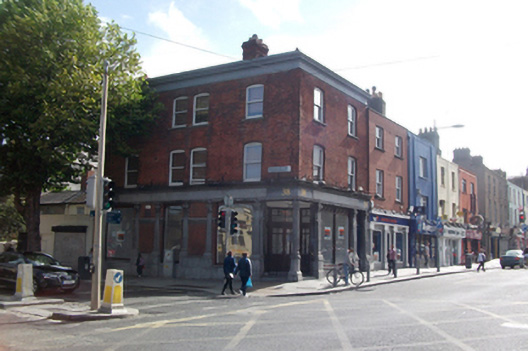 shop/retail outletshop/retail outlet · 37 yd
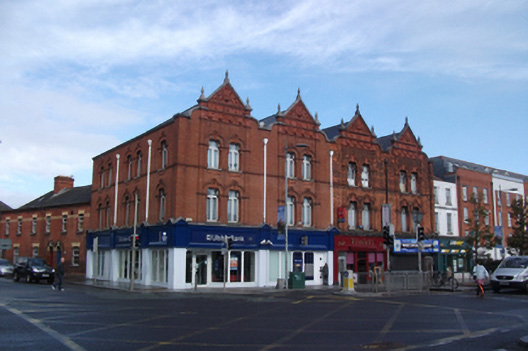 Ulster Bank/Violets/Home Appliance Centreshop/retail outlet · 42 yd
 Memorial to Peadar Kearney 1883-1942Memorial · 102 yd
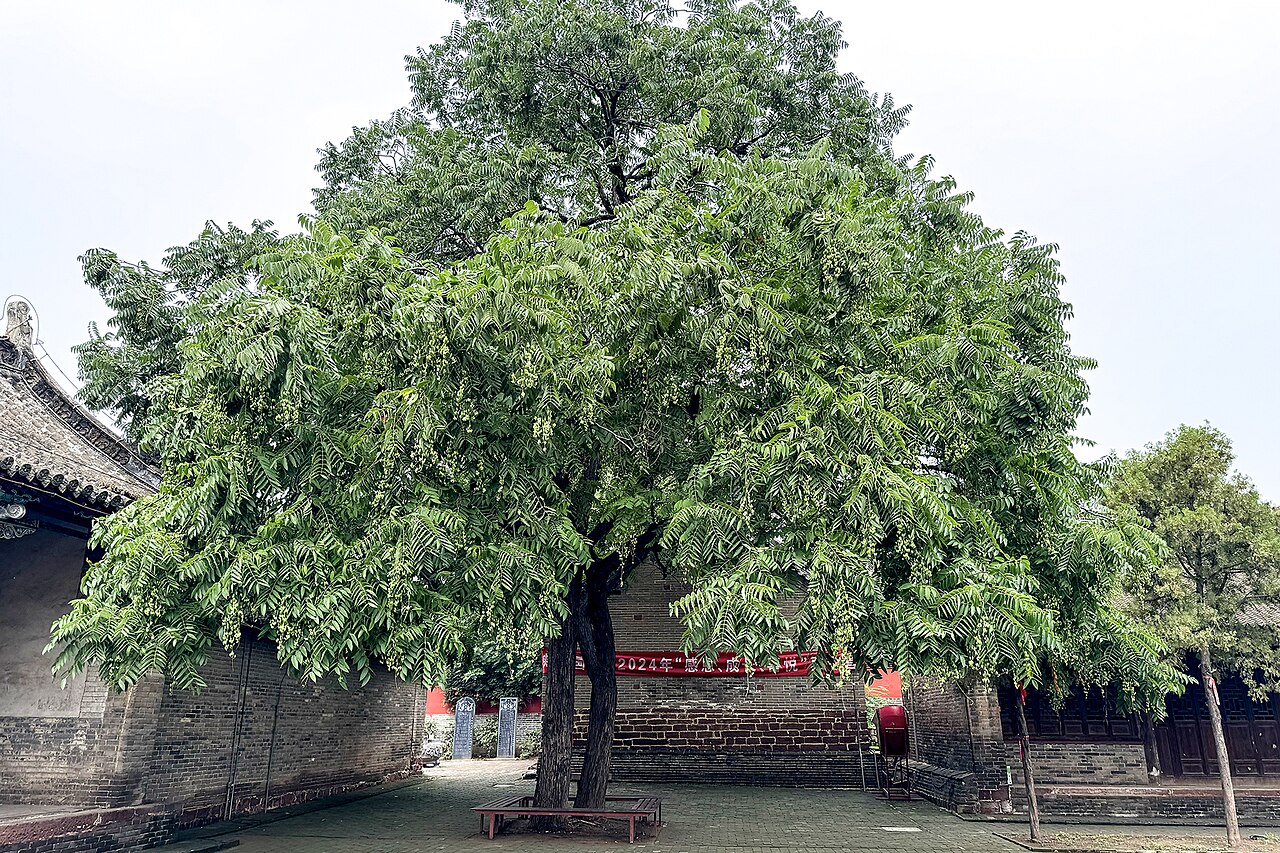 Chinese ToonChinese Toon · 617 yd
 Burial ground in Unknown TownlandBurial ground · 649 yd
 Iris MurdochMemorial · 726 yd
 Hungry TreeHeritage attraction · 1287 yd
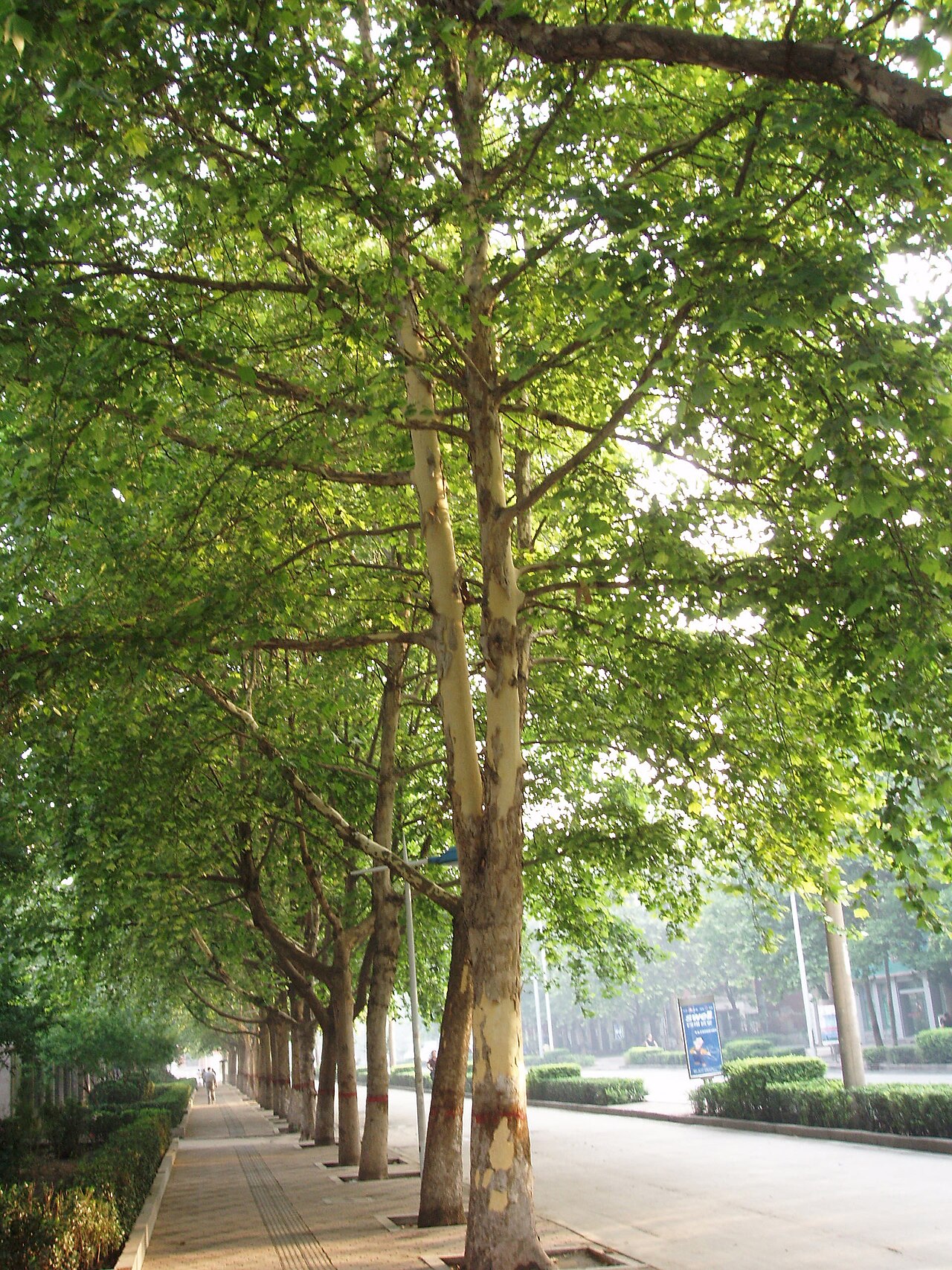 London PlaneLondon Plane · 1292 yd
 Burial in Unknown TownlandBurial · 1354 yd
 Burning of the Custom Housearmed conflict · 1487 yd
 St Josephs Asylum for the BlindCastle, unclassified · 1530 yd
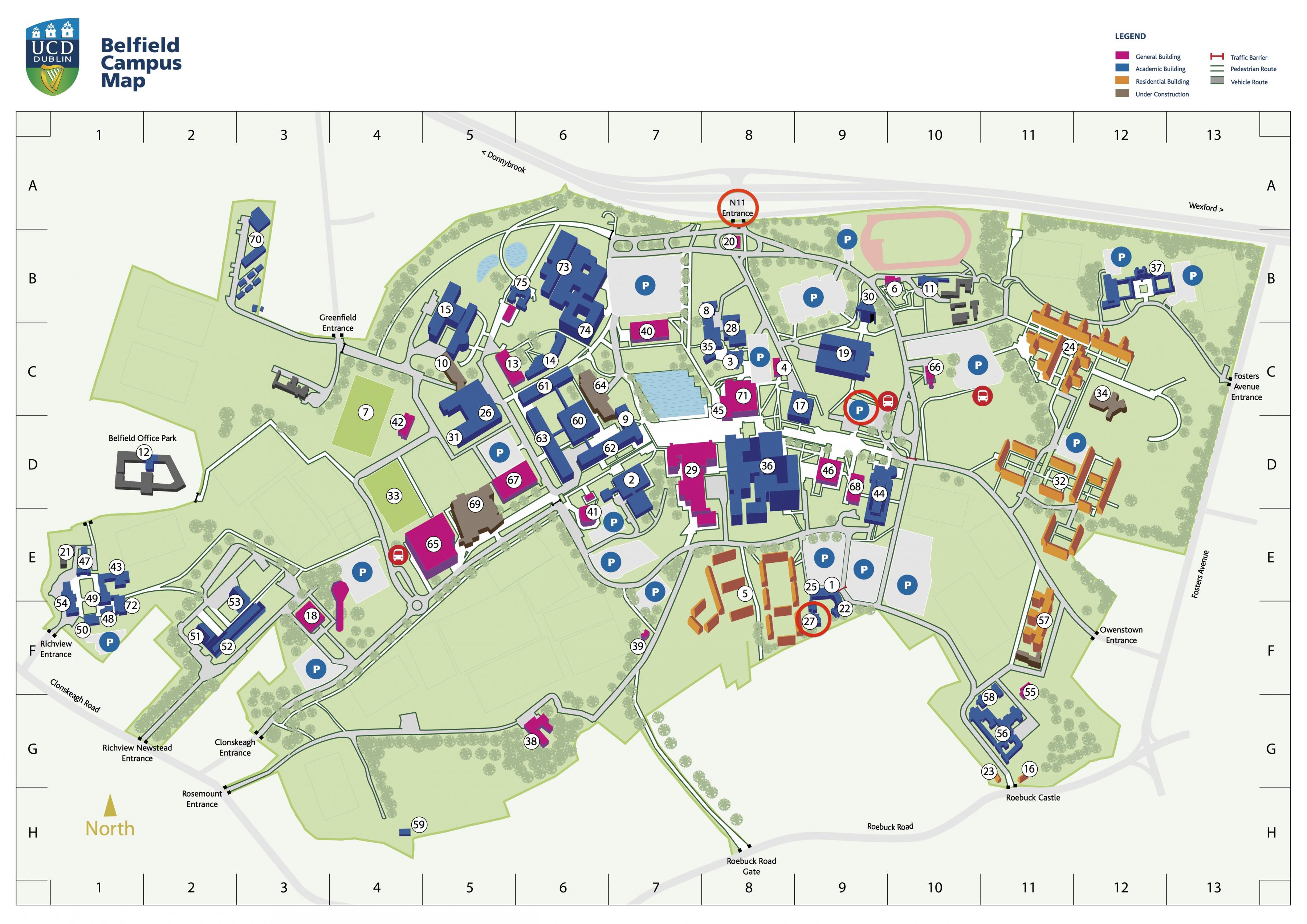 Campus Information PointVisitor information · 1550 yd
Other information
Photo: National Inventory of Architectural Heritage · Website use allowed for educational or private purposes with source credit