What is recorded here
Bawn in Clocully is a vanished walled estate on a flat River Suir island in County Tipperary, recorded in 1654 beneath two thatched houses, cabins and an orchard. The diamond-shaped bawn still shadows the pasture as a cropmark, holding a northern house and a southern turret now invisible to touch. Flooding may have erased its walls from human memory, yet the river keeps returning them in green lines across the grass.
On an flat island (c. 240m N-S x c. 95m E-W) in the middle of the River Suir, under pasture. The Civil Survey (1654-5) refers to 'two thatcht houses with chemnyes and a Bawne about them, some cabbins and an orchard. The River Sewer runeth by the sd lands' in the 'colpe of Cloghcully' under the proprietorship of 'Edmond Butler of Cloghcully Esqr & his ffather Thomas Lord Barron of Cahyr Irish Papists' (Simington 1931, vol.1, 342). Though this reference may be associated with Clocully Castle, 250m to the NE, there is definite evidence of a bawn on the island. An roughly diamond shaped bawn (dims. 200m NW-SE; 90m NE-SW) is clearly visible as a cropmark on an aerial photograph taken in May 1977 (GSI S. 716/15). An internal rectangular structure, presumably a house (TS088-023002-), is located in the N apex, the NW angle of the bawn forming two sides of the structure. The bawn wall runs to a point at the most south-easterly portion of the island where there appears to be a circular turret. None of these features are visible above ground. This island is subject to flooding.
Compiled by: Jean Farrelly
Date of upload: 02 December 2013
The Bawn in Clocully was likely built in the 17th century, as recorded in the Civil Survey of 1654–5, and served as a defensive enclosure around thatched houses, reflecting early modern rural settlement patterns in Ireland. Its location on an island in the River Suir highlights its strategic use for protection and land management.
The monument record does not grant public access. Check the route and ask the landowner before entering private land.
- What survives
- Recorded monument
Places near here
 Site of Old MillMill, unclassified · 70 yd
 Site of Clocully CastleCastle, unclassified · 342 yd
 Settlement cluster in Clashganny West,middlequarter (newcastle Par.)Settlement cluster · 1063 yd
 Corrabella Househouse · 1182 yd
 Tar Bridgebridge · 1.1 mi
 Bawn in FrehansBawn · 1.1 mi
 European long distance path E8 - part IrelandWalking route · 2.0 mi
 Kildanogue wildfowl sanctuary and nature reserveNature reserve · 2.8 mi
 Woodcock HillMountain / peak · 3.2 mi
 Roche's HillMountain / peak · 3.5 mi
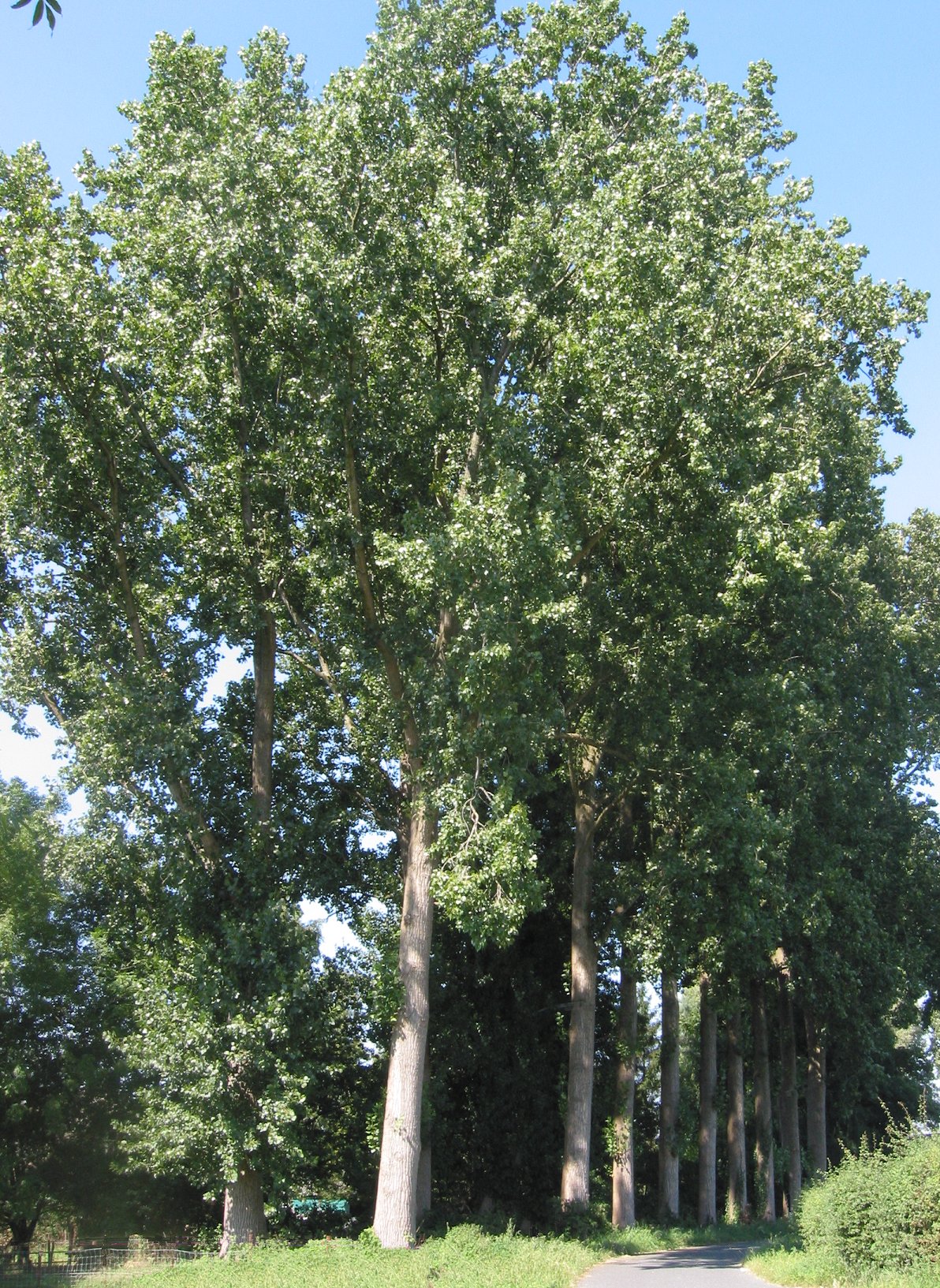 Hybrid Black PoplarHybrid Black Poplar · 3.6 mi
 The VeeViewpoint · 4.4 mi