What is recorded here
In tidal area of Robertstown River estuary; well flooded at high tide. Well is oval opening (1.5m N-S; 1.2m E-W; D 1.8m) enclosed lower down by water-rolled stones but upper half enclosed by concrete. Area around well (4.2m x 2.6m) enclosed by concrete wall, with opening to E. Small shrine atop wall immediately W of well and concrete altar short distance to W. According to Ó Danachair (1955, 215) 'a great pattern was held formerly on 14th-15th August, when large bonfires were lit and both devotions and merrymaking continued all night'; according to local information rounds are still made at the well on August 15th.
The following folklore was recorded from Foynes National School about Barrigone Well; 'Barrigone Well is about three miles distant from Foynes. Every year on the fifteenth of August people visit it from all parts of the districts around it. Long ago, in olden times, there was an Old Protestant who lived near Barrigone. He laughed at the people doing their rounds. One day he went to the Holy Well and brought home two buckets of water to wash clothes. He put the water down on the fire and left it down for two days and at the end of two days the water was ice cold and the boiler was red hot so ever afterwards he had great faith in the well. Saint Jude is the Patron Saint of Barrigone Well' (The Schools’ Collection, Volume 0483, Page 061; accessible online at www.duchas.ie/en/cbes/4921943/4912085/4933672).
See attached photos taken in 1954 by Caoimhín Ó Danachair, courtesy of and © National Folklore Collection, UCD. The Photographic Collection, F025.21.00067 accessible online at www.duchas.ie/en/cbeg/16962; F025.21.00068 accessible online at www.duchas.ie/en/cbeg/30983 and F025.21.00092 accessible online at www.duchas.ie/en/cbeg/30969.
See attached colour photographs courtesy of Amanda Clarke
Compiled by: Denis Power
Revised by: Caimin O'Brien
Date of revised upload: 1 October 2020
Linked to Saint Barrigone, an early Irish saint associated with healing and water, the well is traditionally visited for cures related to skin ailments and general well-being. Locals historically recited prayers and made offerings of coins or clooties, reflecting a blend of Christian and pre-Christian water worship traditions.
The monument record does not grant public access. Check the route and ask the landowner before entering private land.
- What survives
- Recorded monument
Places near here
 IndicatedFairy fort / stone ringfort · 383 yd
 Dysert Castle (in ruins)Castle, tower house · 629 yd
 Dysert CastleCastle · 631 yd
 Furnace in MulderricksfieldFurnace · 640 yd
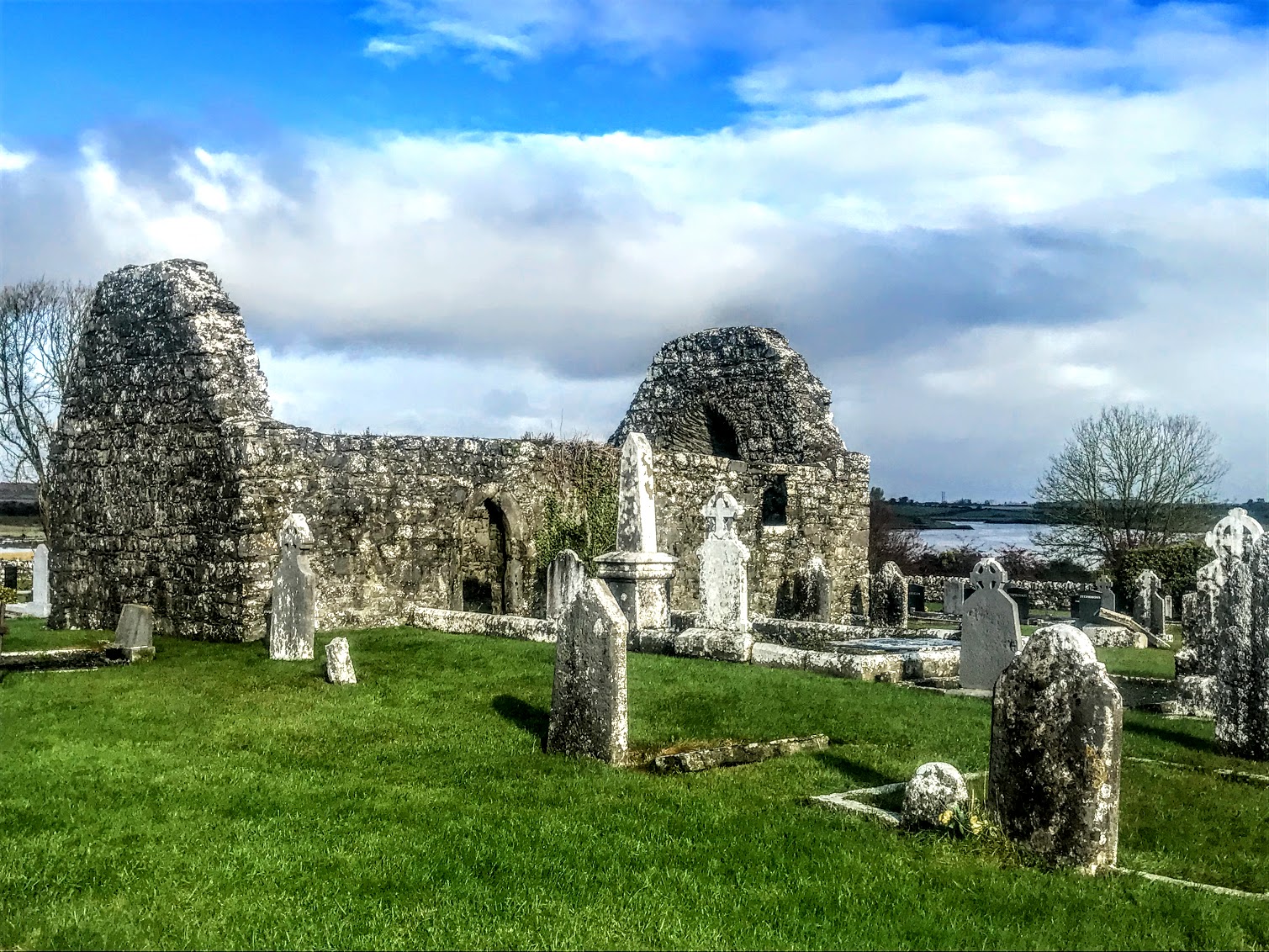 Robertstown Church (in ruins)Church · 1664 yd
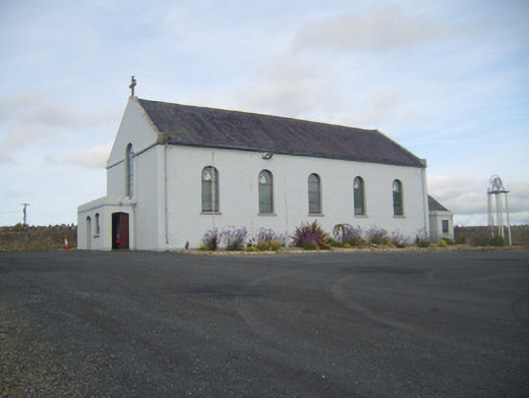 Saint Senan's Catholic Churchchurch/chapel · 1698 yd
 Holly IslandIslet · 2.5 mi
 Gammarel PointHeadland · 2.5 mi
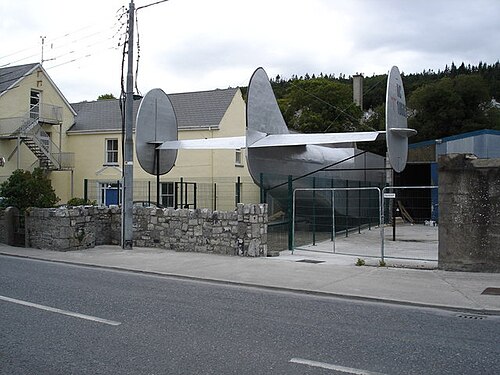 Foynes Flying Boat & Maritime MuseumMuseum · 2.5 mi
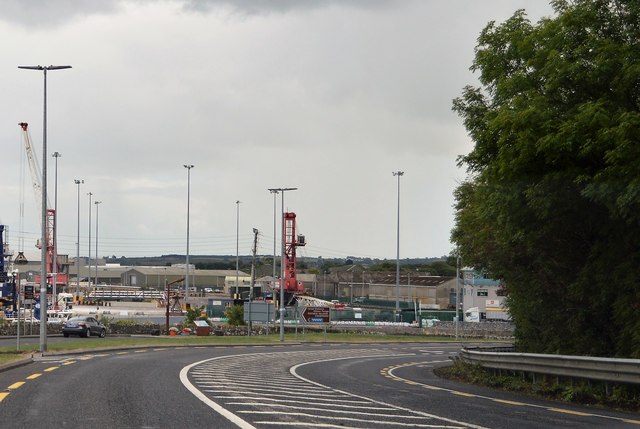 Foynes Island ViewpointViewpoint · 2.7 mi
 Aughinish PointHeadland · 2.8 mi
 Tummera LittleIslet · 2.9 mi