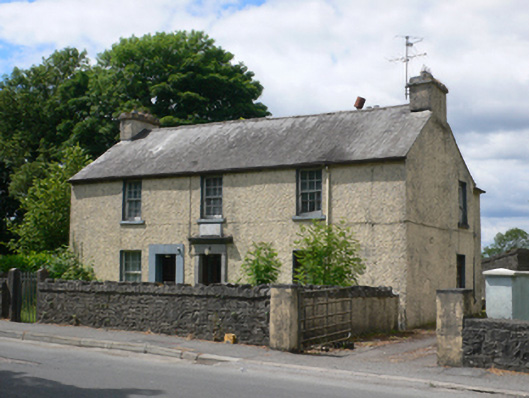
What is recorded here
Detached two-storey house, formerly Garda station, built c.1875, and having three-bay first floor and four-bay ground floor. Pitched slate roof with roughcast rendered chimneystacks and cast-iron rainwater goods. Roughcast rendered walls, having inscribed limestone plaque marking house as birthplace of Éamonn Ceannt, signatory of the Declaration of the Irish Republic in 1916. square-headed six-over-six-pane timber sliding sash windows with painted stone sills, and square-headed doorways, that to public office being later addition of c.1935 to Board of Works design and having ashlar limestone surround with lintel and cornice, and glazed timber panelled door. Building has garden to front bounded by low coursed rubble limestone wall with edge-set coping stones, and wrought-iron pedestrian gate between cut-stone piers. Outbuilding to rear with lean-to roof and rendered walls.
This building was converted for use as a Garda Station in the early years of the foundation of the State, its simple form being typical of many rural stations. The plaque over the entrance and the fine limestone doorcase adds important embellishment and architectural quality. As the birthplace of Éamonn Ceannt, the building has considerable historical importance in the context of the foundation of the State.
This does not grant access. Most recorded buildings are privately owned; view them only from public ground unless the owner allows entry.
Places near here
 Saint John's Church (Drumatemple)church/chapel · 94 yd
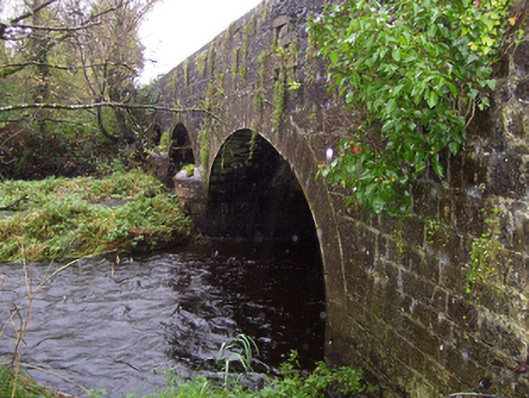 Castlereagh Bridgebridge · 245 yd
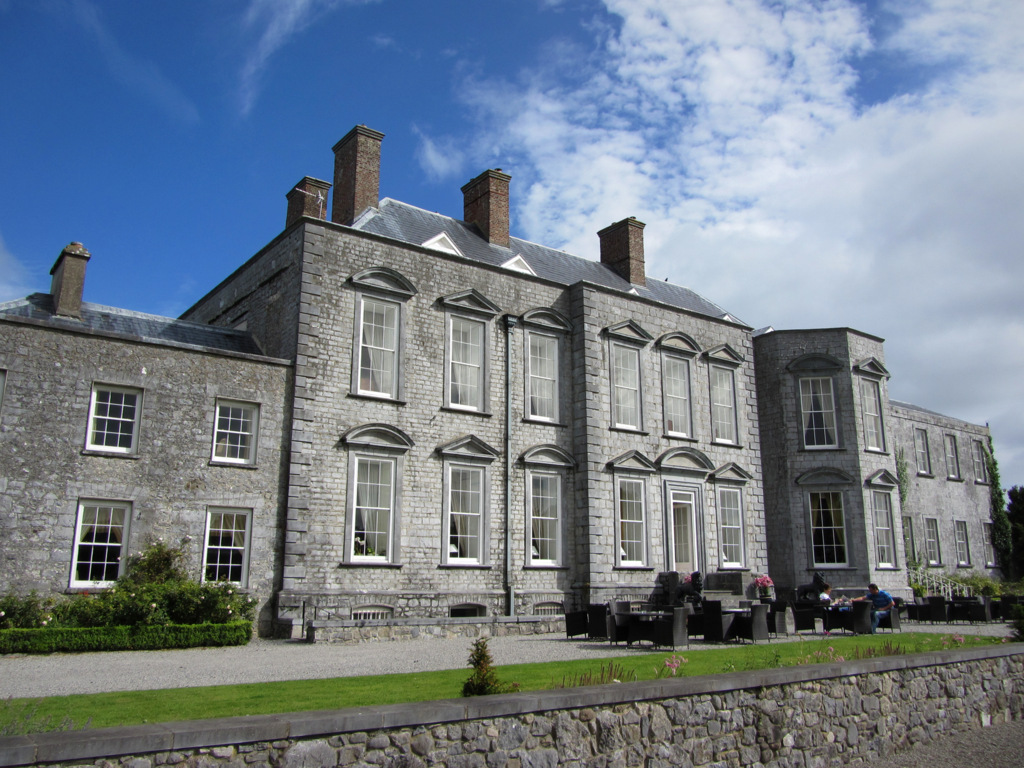 IndicatedFairy fort / earthen ringfort · 310 yd
 Enclosure in Cloonee (ballymoe By.)Enclosure · 518 yd
 Site of Ballyglass CastleCastle, unclassified · 2.3 mi
 CastleCastle, Anglo-Norman masonry castle · 2.5 mi
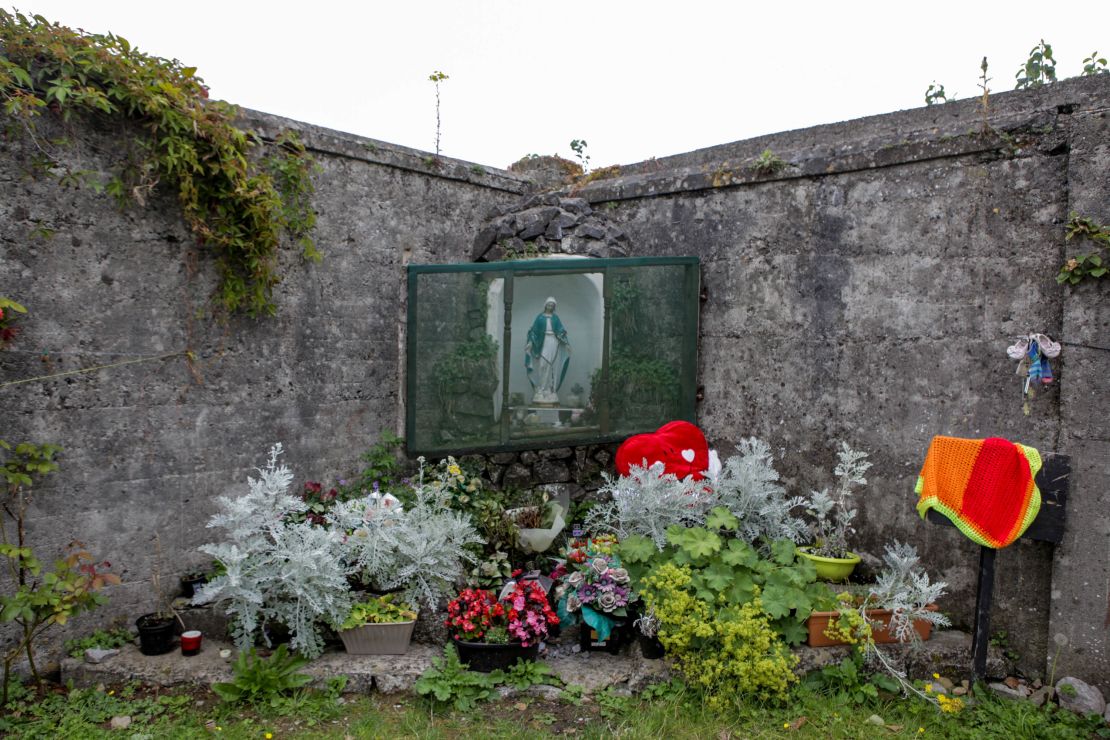 Site of Killomaine Grave YardArchaeological place · 2.9 mi
 Rook HillMountain / peak · 4.0 mi
 Workhouse MemorialMemorial · 4.7 mi
 Silver IslandIslet · 4.7 mi
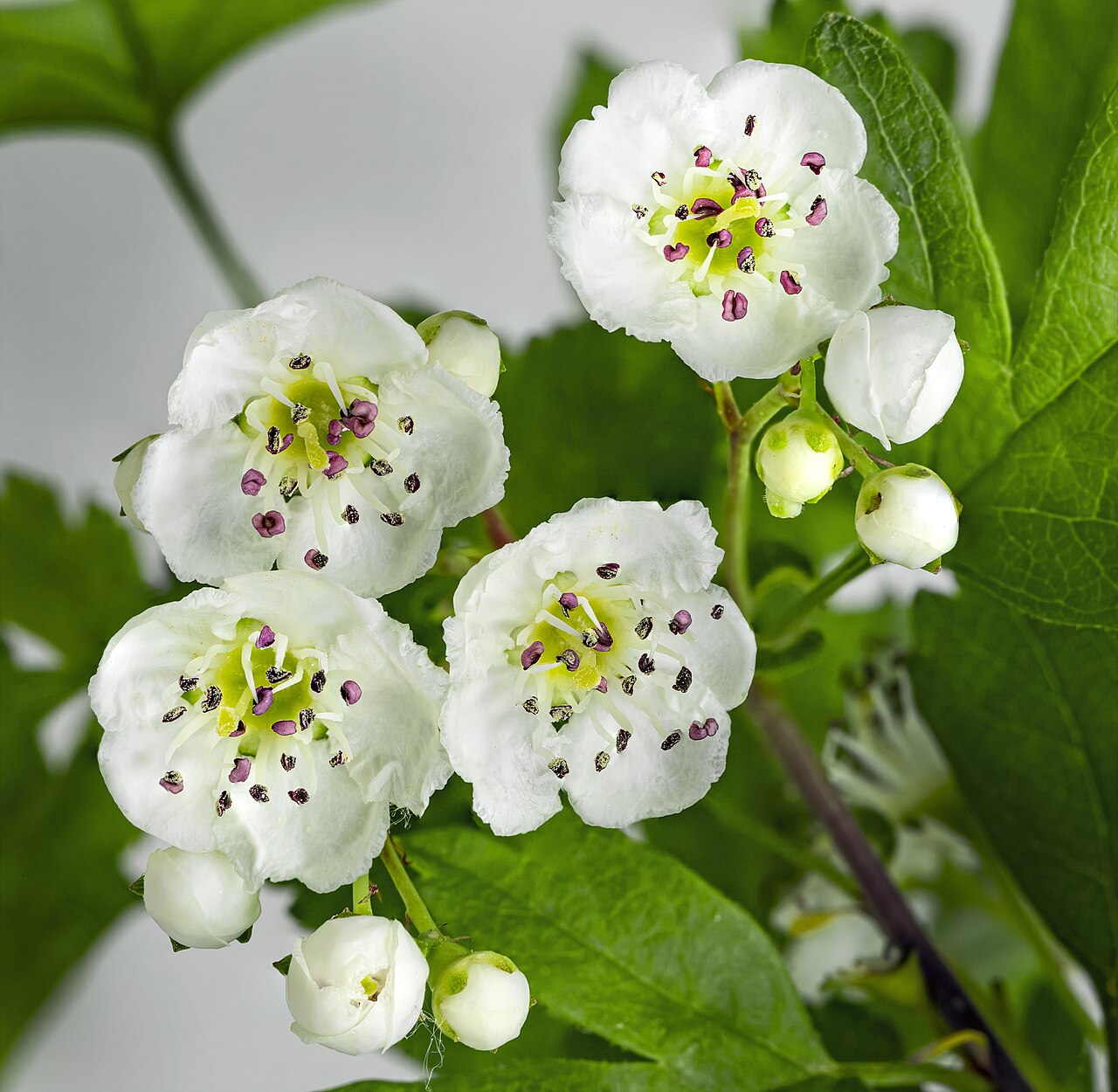 HawthornHawthorn · 5.1 mi
 Coolougher WoodForest · 5.6 mi
Other information
Photo: National Inventory of Architectural Heritage · Website use allowed for educational or private purposes with source credit