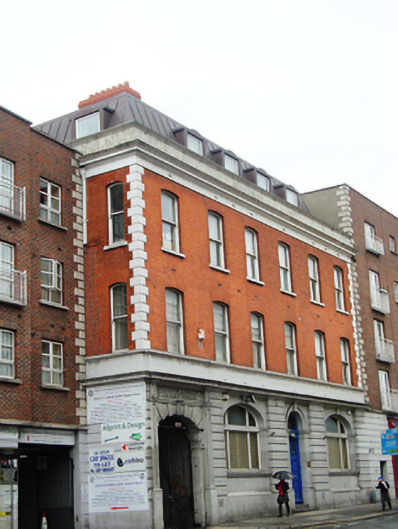
What is recorded here
Terraced six-bay three-storey bakery over concealed basement, built c.1895. Now in use as offices. Pie-ended copper-clad replacement roof with dormers and profiled red brick chimneystacks. Roof behind rendered parapet wall with moulded masonry coping. Red brick walls laid in Flemish bond with rusticated rendered quoins to either end surmounted by rendered frieze and deep moulded parapet cornice. Channel rusticated rendered walls to ground floor with deep moulded cornice and continuous rendered apron and moulded sill course to first floor. Yellow brick walls to rear elevation. Pair of three-centred arched recessed window openings to ground floor with keystones, impost mouldings and moulded sills spanning recess having original tripartite fixed-pane timber windows with fluted transom. Camber-arched window openings to upper floors having one-over-one pane windows. Central round-headed recessed door opening with keystone and moulded archivolt springing from impost mouldings having double-leaf timber panelled doors with glazed upper panels, lintel cornice and fanlight opening onto two granite steps with original granite paving to front. Elliptical-headed intregral carriage arch to west bay with voussoired blocks to arch, central keystone and replacement steel gates. Opening flanked by slender panelled pilasters and panel above with raised lettering stating 'ST. PETER’S BAKERY'. Early cobbled carriageway to arch providing access to rear of site.
Originally known as Ballybough Lane, Parnell Street was renamed Great Britain Street in the early eighteenth century, when it was set out in lots for building. The street was dominated by bakeries, grocers and clothiers in the nineteenth and early twentieth centuries, and its Georgian buildings have more recently been adapted by the Asian community as shops and restaurants. This Edwardian bakery was built as an enlargement for Kennedy's Bakery by Charles Herbert Ashworth in 1906-8. Named for Saint Peter, the patron saint of bakers, the three-storey building is flanked on either side by late twentieth-century developments, isolating this building from its historic context at the east end of Parnell Street and providing some relief from the speculative over-development that now characterises this end of the historic streetscape.
This does not grant access. Most recorded buildings are privately owned; view them only from public ground unless the owner allows entry.
Places near here
 church/chapelchurch/chapel · 152 yd
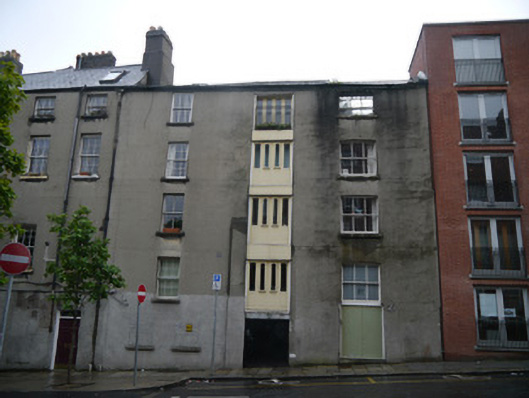 store/warehousestore/warehouse · 164 yd
 The James Joyce CentreMuseum · 166 yd
 Sir Samuel FergusonMemorial · 203 yd
 1974 Dublin BombingMemorial · 217 yd
 Burial ground in Unknown TownlandBurial ground · 224 yd
 IndicatedMonumental structure · 333 yd
 Discover Ireland CentreVisitor information · 432 yd
 Theobald MathewMonument · 439 yd
 Dublin LetteringHeritage attraction · 441 yd
 Burning of the Custom Housearmed conflict · 761 yd
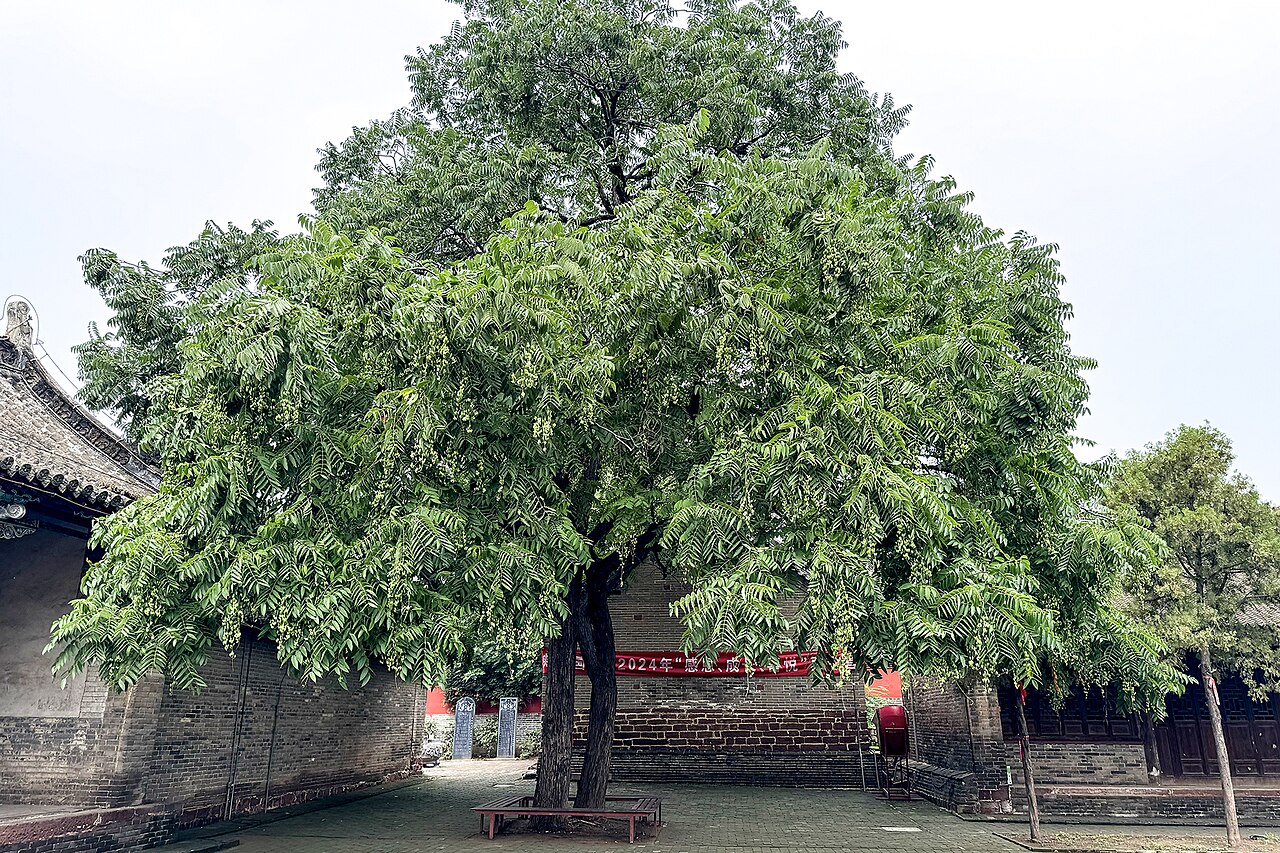 Chinese ToonChinese Toon · 904 yd
Other information
Photo: National Inventory of Architectural Heritage · Website use allowed for educational or private purposes with source credit