What is recorded here
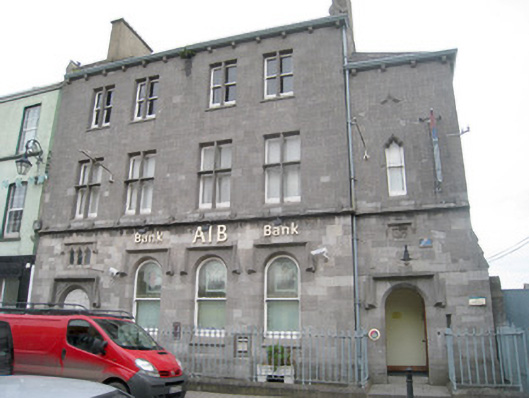
End-of-terrace four-bay three-storey bank, built in 1877, comprising three-bay three-storey return to rear (north) elevation and single-bay two-storey entrance block with gablet to east elevation. Pitched slate roof with rendered chimneystacks, limestone brackets and copings with pedimented stops. Hipped slate roof to east block having limestone brackets. Snecked ashlar limestone walls with carved stringcourse and date stone having hoodmoulding over to east block. Square-headed bipartite openings to second floor with limestone mullions and one-over-one pane timber sliding sash windows. Square-headed bipartite openings to first floor having limestone transoms, mullions and one-over-one pane timber sliding sash windows. Round-headed openings to ground floor with limestone hoodmouldings, sills and one-over-one pane timber sliding sash windows. Tripartite ogee-headed opening to west end bay having limestone label moulding and fixed windows. Ogee-headed opening to east block with one-over-one pane timber sliding sash window. Square-headed openings to east elevation having brick block-and-start surrounds, limestone sills, some with one-over-one pane timber sliding sash windows, some with six-over-six pane timber sliding sash windows. Round-headed door opening, now blocked up, having limestone label moulding and carved spandrels. Round-headed door opening to east block with limestone label moulding and timber battened door having cast-iron strap hinges. Cast-iron railings set in limestone plinths to front.
This well composed bank, originally the Munster and Leinster Bank, was built by Henry and Arthur Hill. It displays subtle Gothic Revival and Elizabethan style references on the façade. These crisp, well crafted details such as the label mouldings, mullions and transoms distinguish this bank within the Kilmallock streetscape. The attention to detail is indicative of high quality design and the overall construction attests to high quality local stone masonry. The date plaque reads the date '1877'. The bank forms an elegant feature in the streetscape of West Street, while the survival of an attendant coach house contributes to the group and setting qualities of the site.
This does not grant access. Most recorded buildings are privately owned; view them only from public ground unless the owner allows entry.
Places near here
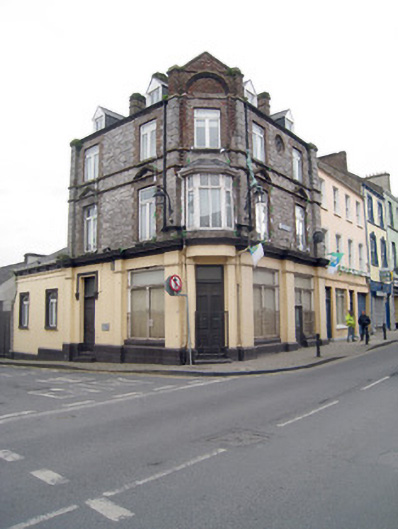 Baalbec Househouse · 40 yd
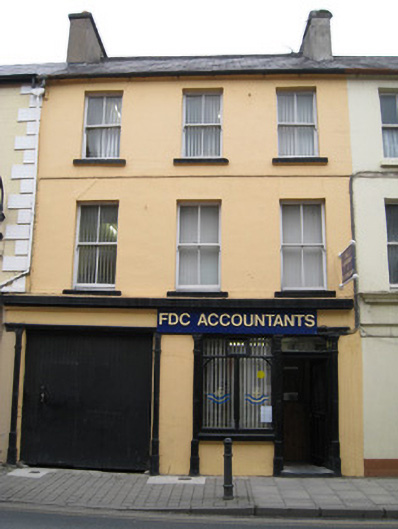 public housepublic house · 57 yd
 CastleGatehouse · 99 yd
 CrossCross, Market cross · 156 yd
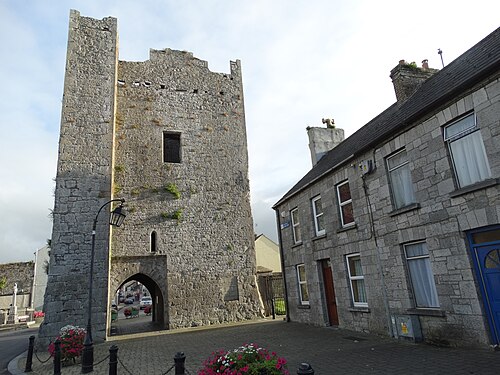 King John's CastleCastle · 318 yd
 Kings CastleCastle, tower house · 318 yd
 Kilmallock AbbeyHeritage attraction · 388 yd
 Site of Castle CooteBawn · 580 yd
 St Bridget's WellSpring · 1.6 mi
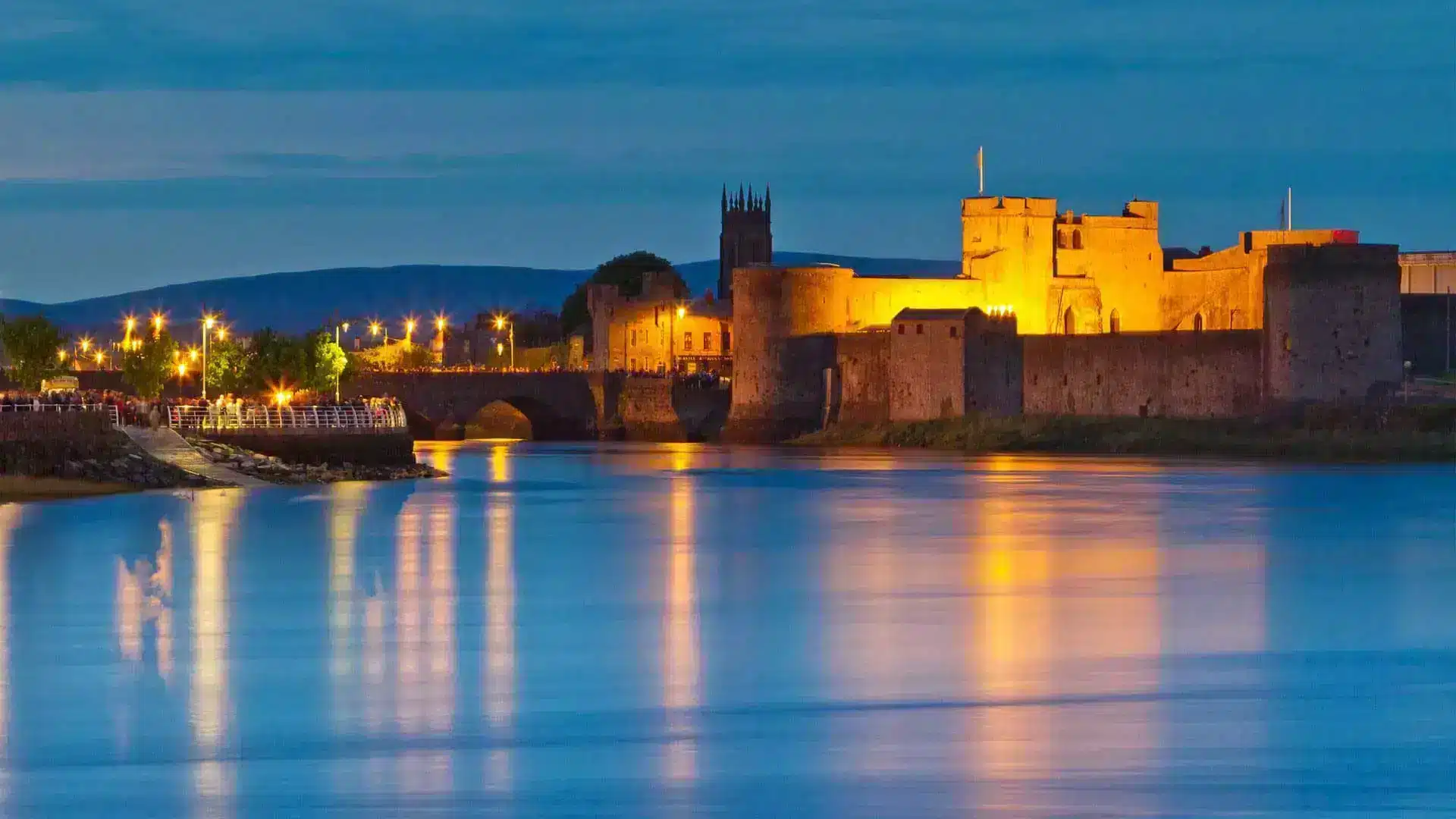 Lady's WellSpring · 3.1 mi
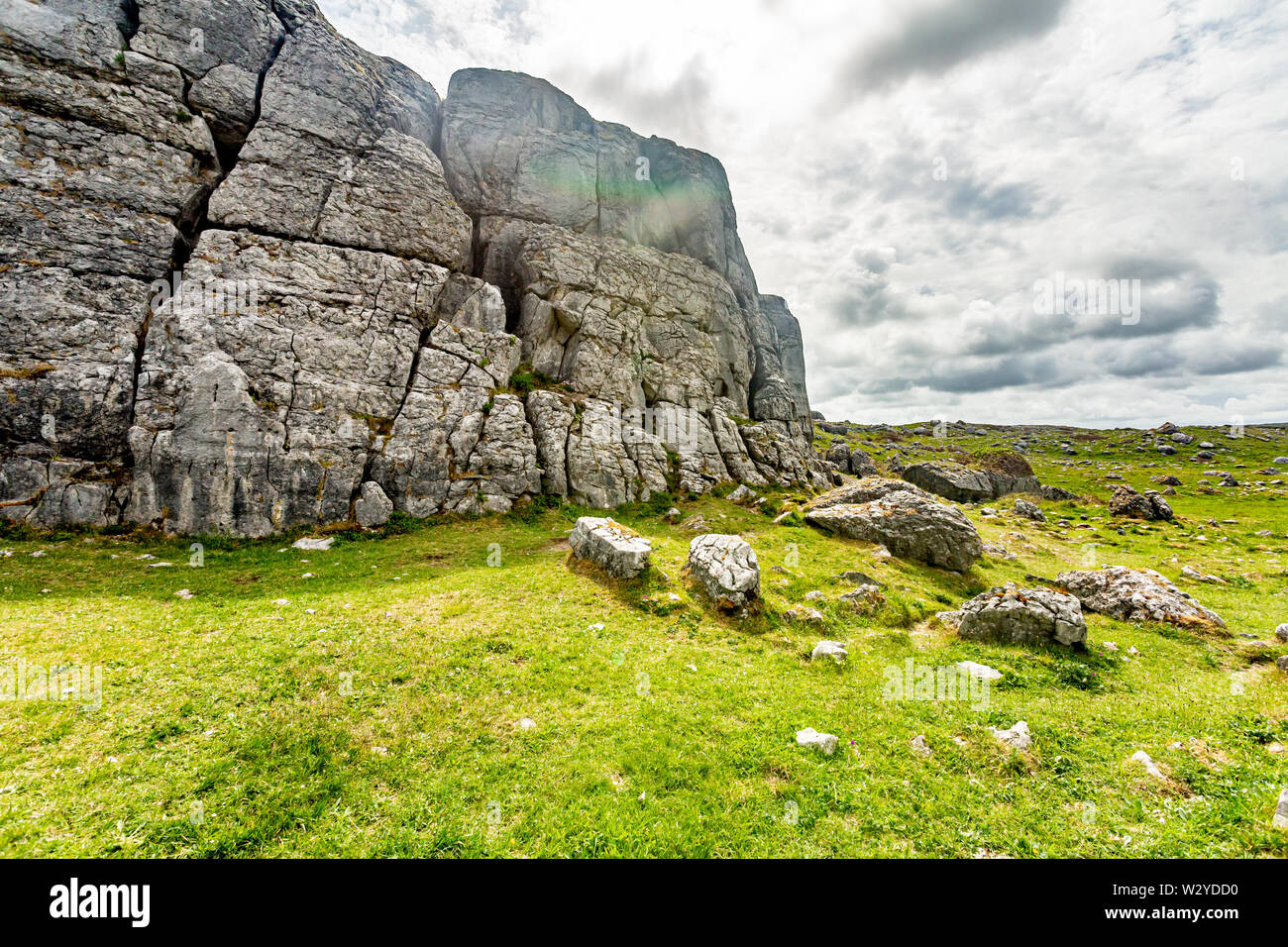 Caher HillMountain / peak · 5.0 mi
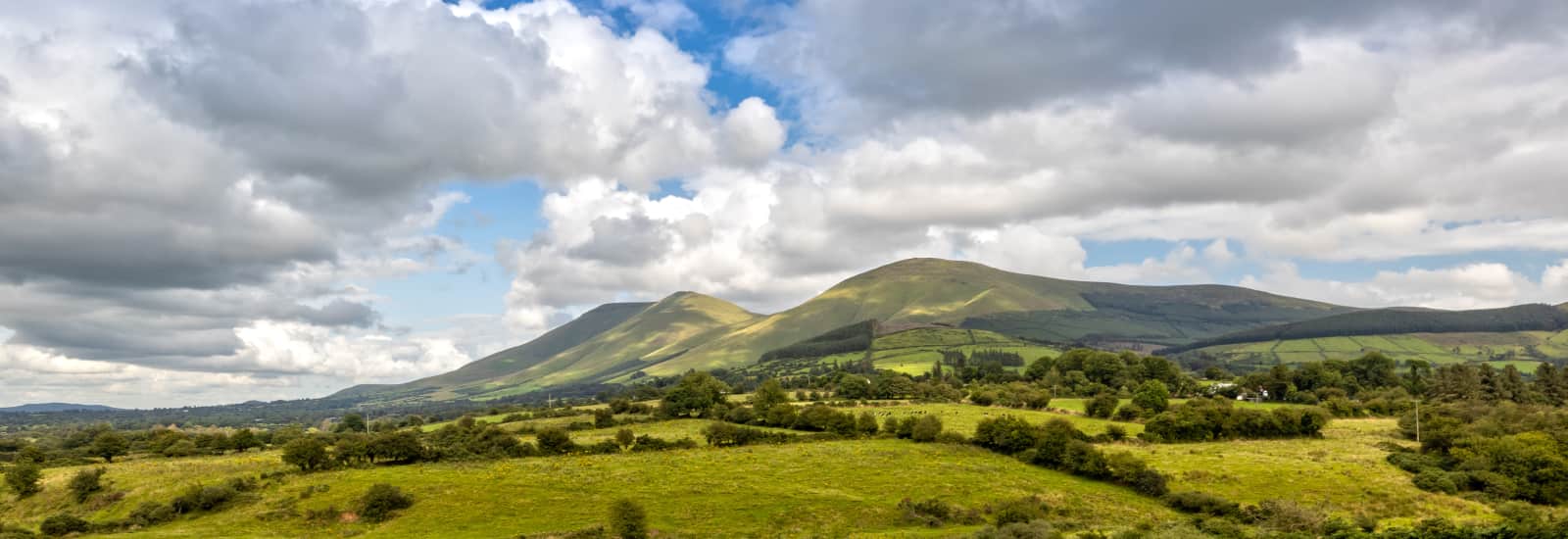 Ballyhoura tourist informationVisitor information · 5.2 mi
Other information
Photo: National Inventory of Architectural Heritage · Website use allowed for educational or private purposes with source credit