What is recorded here
According to Bradley et al. (1986, vol. 1, 80), a 16th-century limestone knightly effigy was moved from Old Kilcullen (KD028-049012-) to a 19th-century church in a graveyard (KD029-011004-) in Ballymore Eustace. The slab, carved in high relief with the figure of a knight, is believed to represent Sir Oliver FitzEustace. The head is on a cushion and the feet rest on an animal. The right arm lies on his breast and the left is extended, lying across a sword. The knight is represented as armed, in a long hauberk (coat) of mail with short sleeves and with a mail collar attached. The bascinet (helmet) has a visor and there is a crest, possibly a stag couchant, on the forehead (Hunt 1974, 77, 153, Fig. 142). Hunt (op. cit. 153) considers that the effigy, ‘represents indifferent journeyman’s work, but is said to have been “restored” in the nineteenth century.’
Compiled by: Gearóid Conroy
Date of upload: 30 August 2013
Medieval effigial tomb, 16th century, originally from Old Kilcullen, relocated to a 19th-century church graveyard in Ballymore Eustace. Its significance lies in its association with early modern funerary art and the historical movement of monuments in the region.
The monument record does not grant public access. Check the route and ask the landowner before entering private land.
- What survives
- Recorded monument
Places near here
 Saint John's Church (Ballymore Eustace)church/chapel · 1 yd
 Font in Ballymore Eustace East (ballymore Eustace Ed)Font · 10 yd
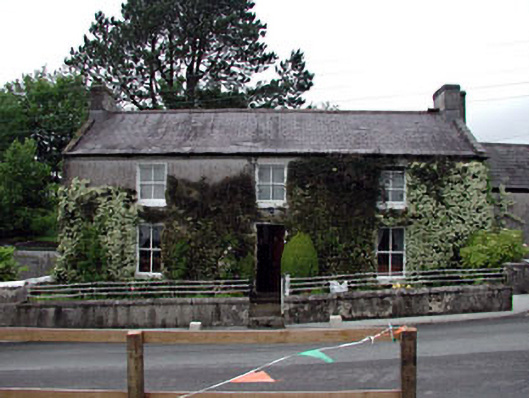 Ivy Househouse · 212 yd
 Enclosure in Ballymore Eustace WestEnclosure · 1329 yd
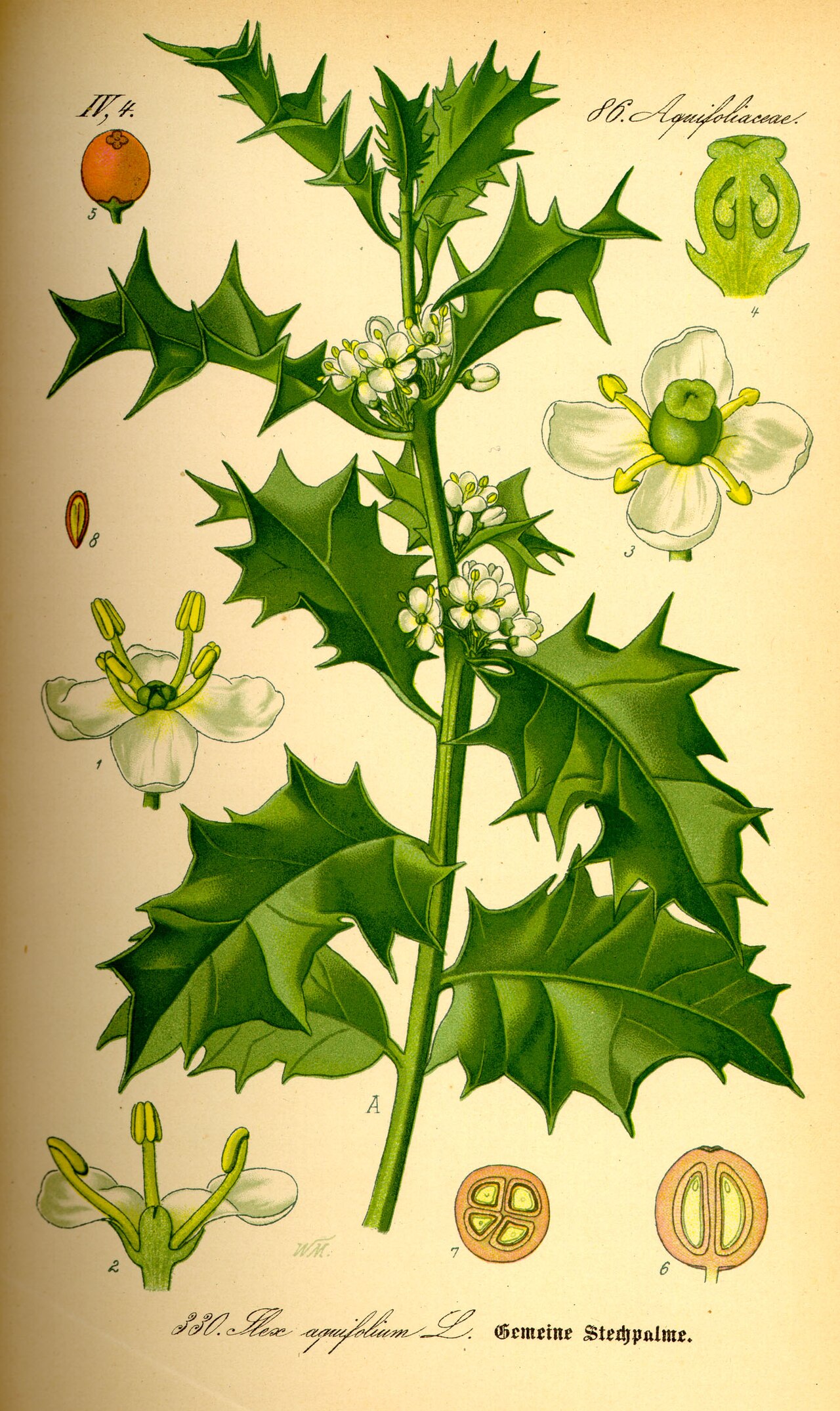 English hollyEnglish holly · 1.4 mi
 National Bird of Prey CentreHeritage attraction · 1.6 mi
 Artisans WorkshopsHeritage attraction · 1.6 mi
 The MoatCastle, motte and bailey · 2.1 mi
 Castle in ruinsCastle, unclassified · 2.5 mi
 Sillagh Bog WoodForest · 2.5 mi
 Saint Kevin's CaveMemorial · 3.0 mi
 Councillor Jim MileyMemorial · 3.8 mi