What is recorded here
Kildare is a chamber where seven centuries of the dead share one roof. Under a crocketed canopy a broken bishop still raises his hand in blessing, his crozier turned outward as if pointing someone into the dark. Around him cross slabs and grave stones from the 10th to the 17th centuries lie like a forgotten language, waiting for a hand patient enough to read them.
A large collection of cross slabs, grave slabs, decorated stones and three effigies (See KD022-029023- and KD022-029027- to KD022-029057-), dating from the 10th to the 17th centuries have been placed in St. Brigid’s Cathedral (KD022-029005-).
KD022-029032-: According to Bradley et al. (1986 vol. 3, 227-8), a large, badly fragmented, tapering limestone block (L 1.8m; Wth 0.64m; T 0.36m) bears the figure of a bishop carved in high relief, dressed in chasuble, alb, gloves, maniple, with amice/kerchief around the neck. He wears a mitre and carries a foliated crozier, turned outwards, in the left hand. His right hand is raised in blessing. The figure is placed under a crocketed, ogee-headed canopy supported by small figures and the sides are further embellished with spirals. (Hunt 1974, no. 88, Pl. 82)
Compiled by: Gearóid Conroy
Date of upload: 30-01-2012
Medieval effigial tomb, 10th to 17th century. Significant as part of a collection of decorated stones and cross slabs associated with St. Brigid’s Cathedral, reflecting Christian funerary practices and artistic traditions in the region.
The monument record does not grant public access. Check the route and ask the landowner before entering private land.
- What survives
- Recorded monument
Places near here
 Sheela-na-gig (present location) in KildareSheela-na-gig (present location) · 3 yd
 St. Brigids CathedralCathedral · 3 yd
 Saint Brigid's Cathedralcathedral · 9 yd
 Wall monument in KildareWall monument · 13 yd
 Castle in ruinsCastle, Anglo-Norman masonry castle · 167 yd
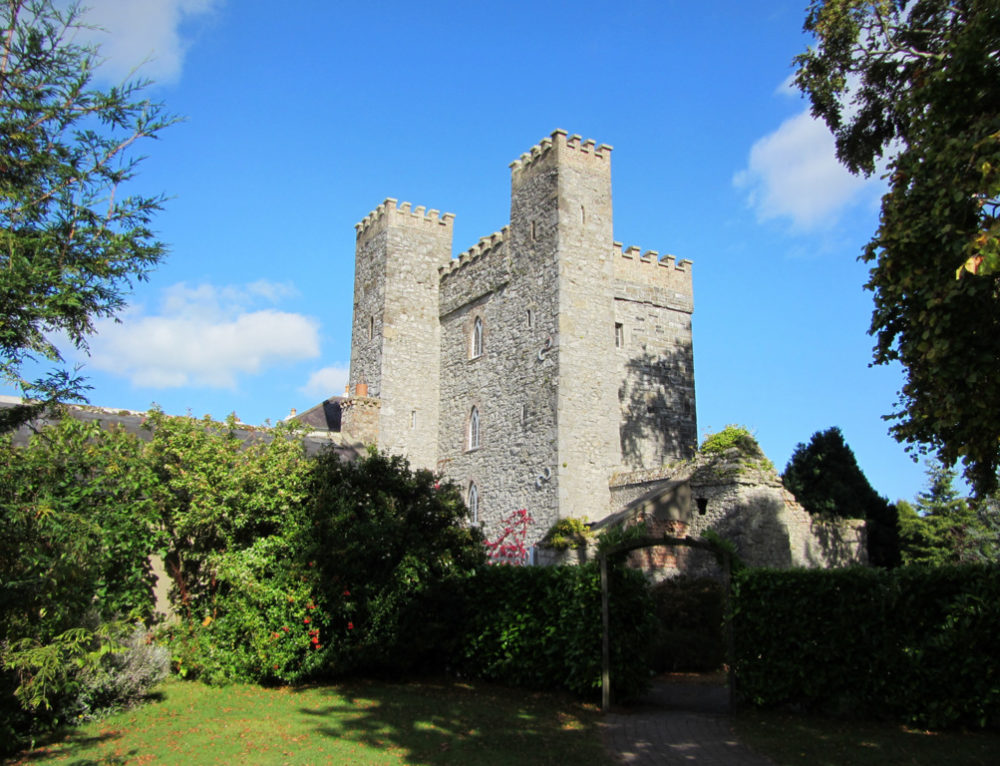 CastleCastle, motte · 221 yd
 Saint Fiachra's GardenHeritage attraction · 1529 yd
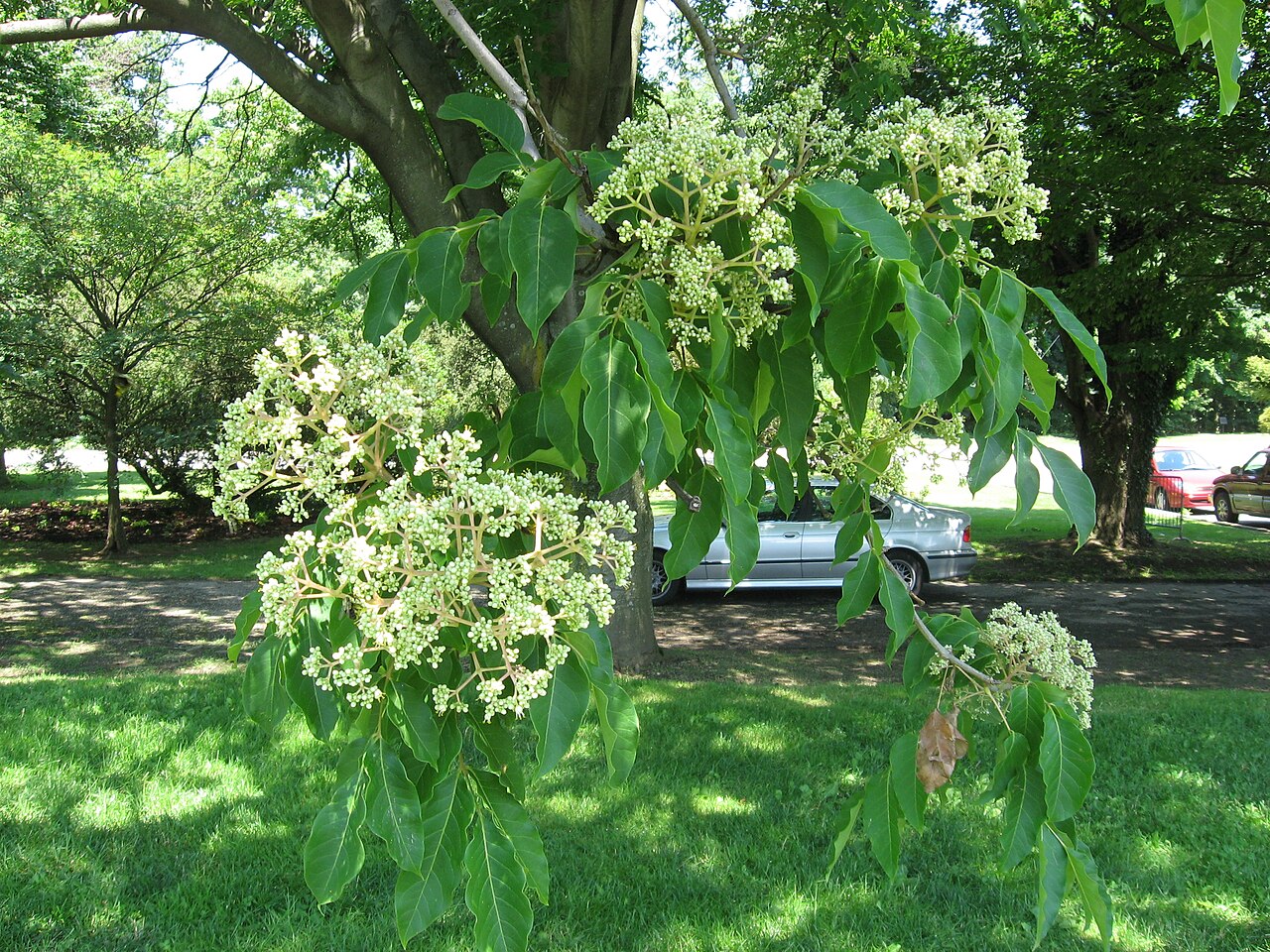 Bee-bee treeBee-bee tree · 1613 yd
 Horse MuseumMuseum · 1626 yd
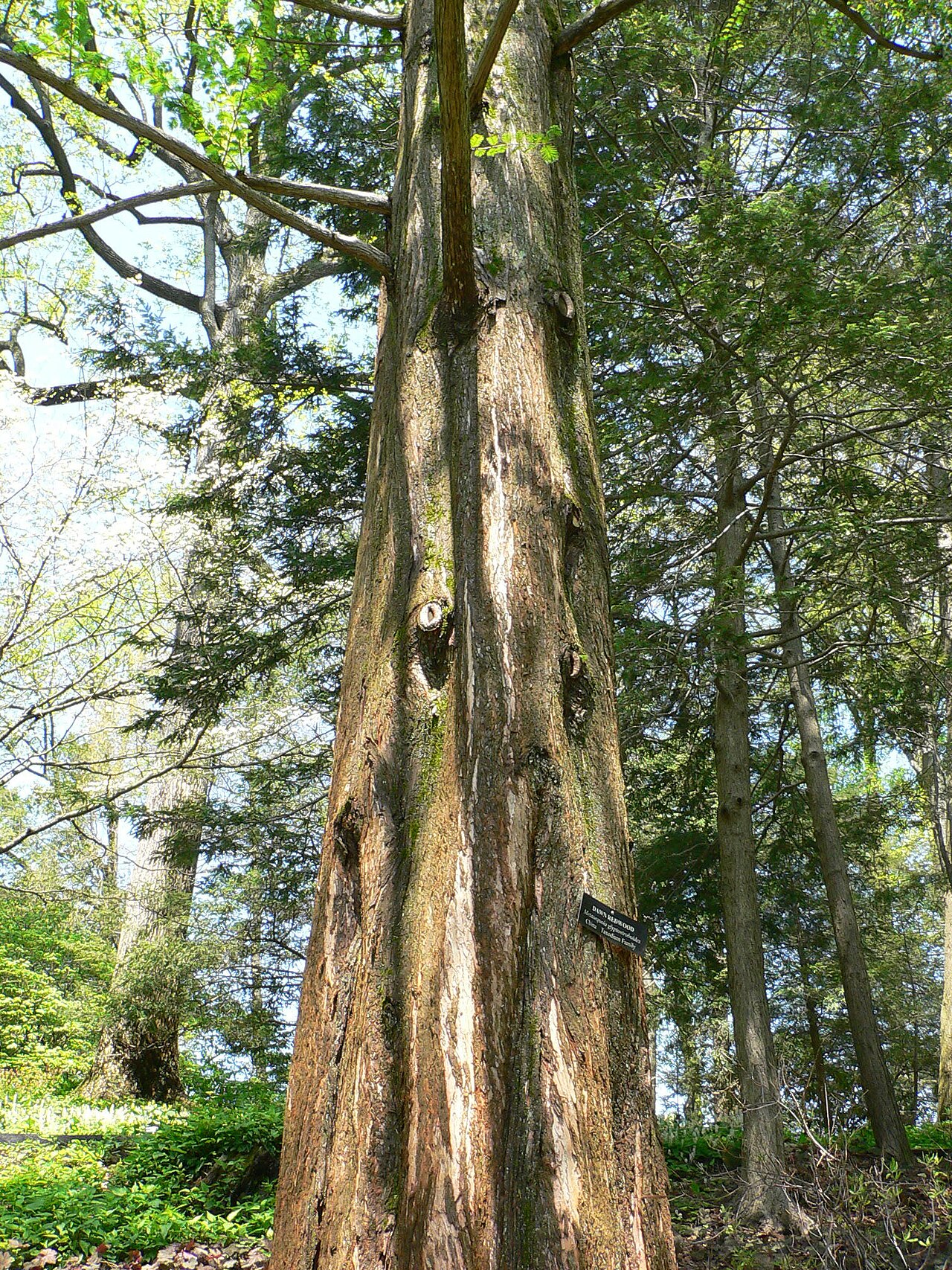 Dawn RedwoodDawn Redwood · 1.0 mi
 Bithia Mary CrokerMemorial · 5.7 mi
 Ecclesiastical enclosure in KildareEcclesiastical enclosure · 15 yd