What is recorded here
Clear water is a gift from God. It flows through living things, joins rivers and seas, and returns to the sky. That is why rain feels like praise.
A large collection of cross slabs, grave slabs, decorated stones and three effigies (See KD022-029023- and KD022-029027- to KD022-029057-), dating from the 10th to the 17th centuries have been placed in St. Brigid’s Cathedral (KD022-029005-).
KD022-029030-: In the chancel. According to Bradley et al. (1986 vol. 3, 226. Fig. 103), an effigy carved in relief on a gently tapering, coffin-shaped limestone slab (L 1.9m; Wth 0.5m-0.64m; T 0.33m). One of the slab’s long sides and parts of both ends are decorated with stiff leaf foliage. The figure of a bishop (traditionally identified as John of Taunton, Bishop of Kildare who died in 1258) has both gloved hands resting flat on the chest and there is a ring on the second finger of the right hand. He wears an amice, a full soft chasuble, a dalmatic, a stole with fringed ends and an alb. The head rests on a rectangular cushion and is flanked on either side by an angel holding a censer. The feet appear to lie against an animal, or possibly a bird missing its head and tail. He wears a maniple over the left wrist, a mitre over curling hair and his crozier rests on the right side of the body. (Hunt 1974, no. 87, pls. 69-70)
Compiled by: Gearóid Conroy
Date of upload: 30 January 2012
Medieval effigial tomb, 10th to 17th century. Significant as part of a collection of decorated stones and cross slabs associated with St. Brigid’s Cathedral, reflecting Christian funerary practices and artistic traditions in Kildare.
The monument record does not grant public access. Check the route and ask the landowner before entering private land.
- What survives
- Recorded monument
Places near here
 Wall monument in KildareWall monument · 16 yd
 Sheela-na-gig (present location) in KildareSheela-na-gig (present location) · 16 yd
 St. Brigids CathedralCathedral · 16 yd
 Saint Brigid's Cathedralcathedral · 18 yd
 Castle in ruinsCastle, Anglo-Norman masonry castle · 154 yd
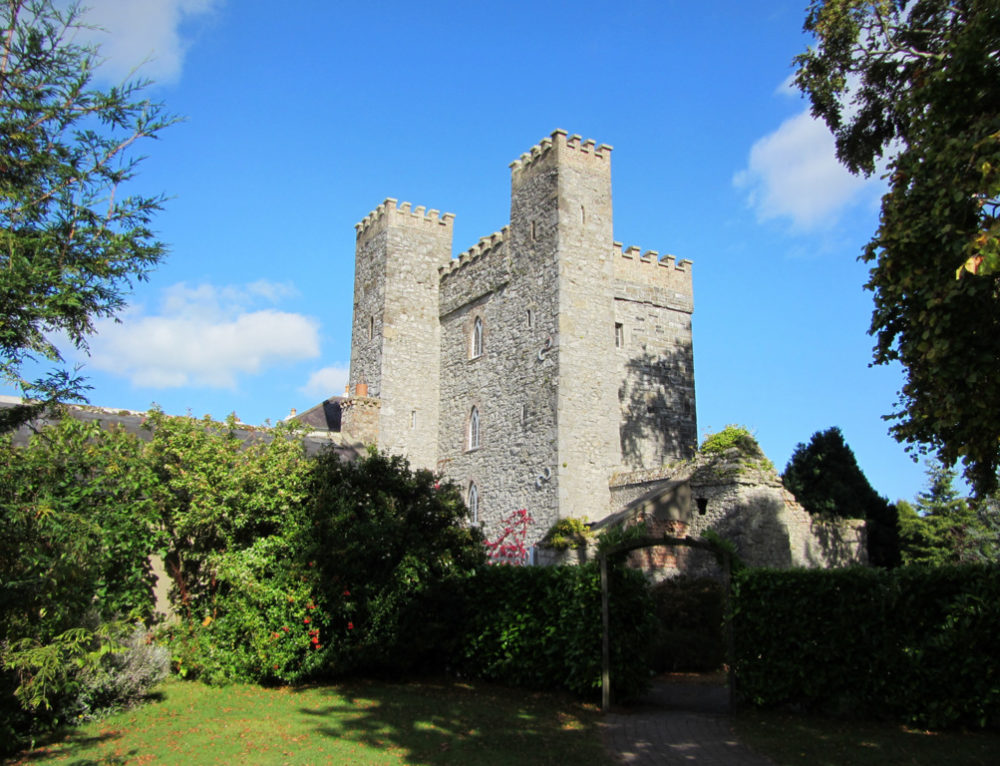 CastleCastle, motte · 210 yd
 Saint Fiachra's GardenHeritage attraction · 1521 yd
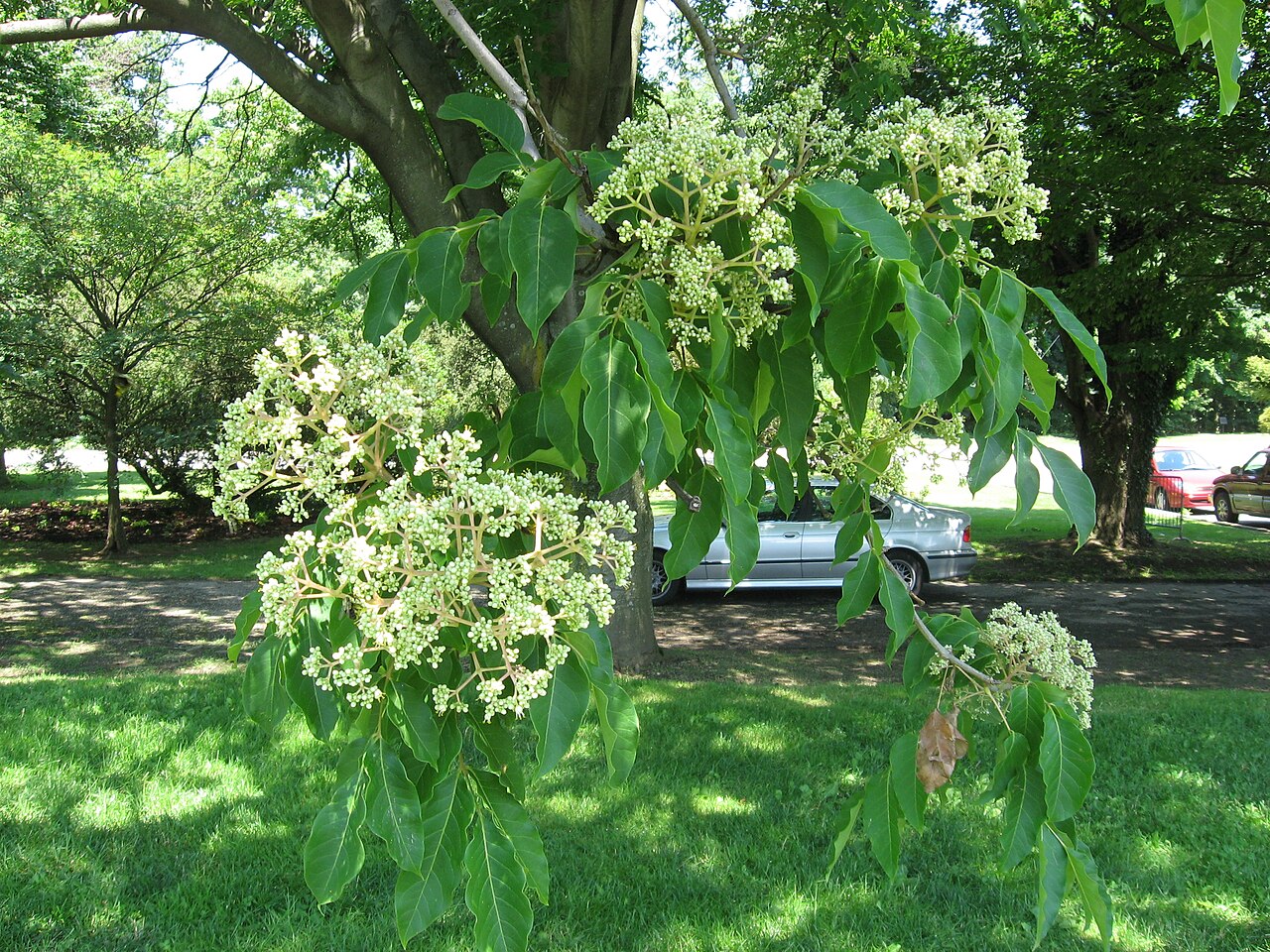 Bee-bee treeBee-bee tree · 1605 yd
 Horse MuseumMuseum · 1619 yd
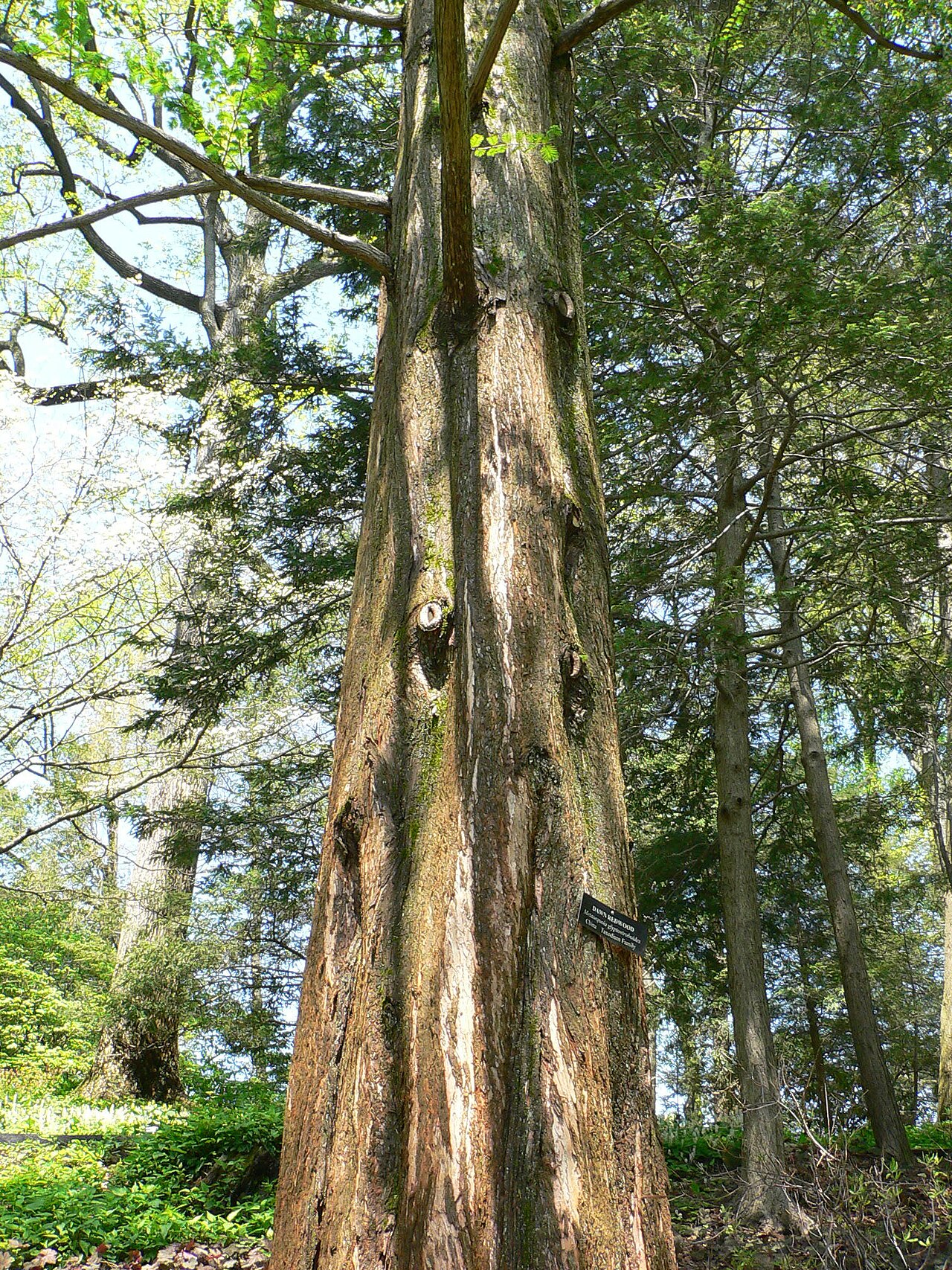 Dawn RedwoodDawn Redwood · 1.0 mi
 Bithia Mary CrokerMemorial · 5.7 mi
 Ecclesiastical enclosure in KildareEcclesiastical enclosure · 28 yd