What is recorded here
Two metres of carved stone lie in the south transept of St. Brigid’s Cathedral, bearing a wolf, fox, rabbit, goat, unicorn and birds in shallow relief. The Latin inscription at the top declares an eternal rest chosen rather than suffered. That tomb belonged to someone who wanted departure to sound like relief, not loss.
A large collection of cross slabs, grave slabs, decorated stones and three effigies (See KD022-029023- and KD022-029027- to KD022-029057-), dating from the 10th to the 17th centuries have been placed in St. Brigid’s Cathedral (KD022-029005-).
KD022-029037-: In the S transept. According to Bradley et al. (1986 vol. 3, 231 Fig. 110), two rectangular side panels from a tomb (total L 2m; H 0.5m; T 0.21m) are decorated in low false relief with niches, foliage and animals including a wolf, a fox, a rabbit, a goat, a unicorn, and birds including a cock and a swan/goose. An inscription in Roman lettering runs along the top margin: ‘HAEC REQVIES MEA IN SECULA SECUL… ABITABO QUONIAM ELEGIEAM’.
Compiled by: Gearóid Conroy
Date of upload: 2 February 2012
Chest tomb; medieval to early modern period. Significance lies in its association with a collection of decorated stones and effigies linked to St. Brigid’s Cathedral, reflecting ecclesiastical and artistic traditions in Kildare.
The monument record does not grant public access. Check the route and ask the landowner before entering private land.
- What survives
- Recorded monument
Places near here
 Wall monument in KildareWall monument · 1 yd
 Sheela-na-gig (present location) in KildareSheela-na-gig (present location) · 13 yd
 St. Brigids CathedralCathedral · 13 yd
 Saint Brigid's Cathedralcathedral · 22 yd
 Castle in ruinsCastle, Anglo-Norman masonry castle · 162 yd
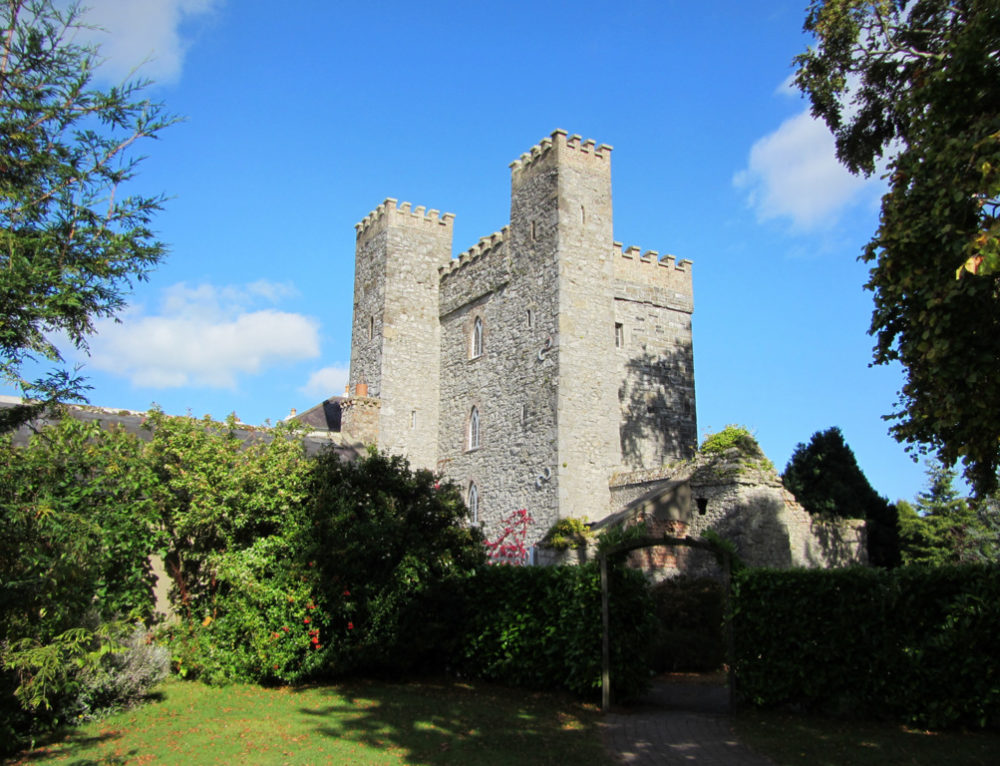 CastleCastle, motte · 213 yd
 Saint Fiachra's GardenHeritage attraction · 1518 yd
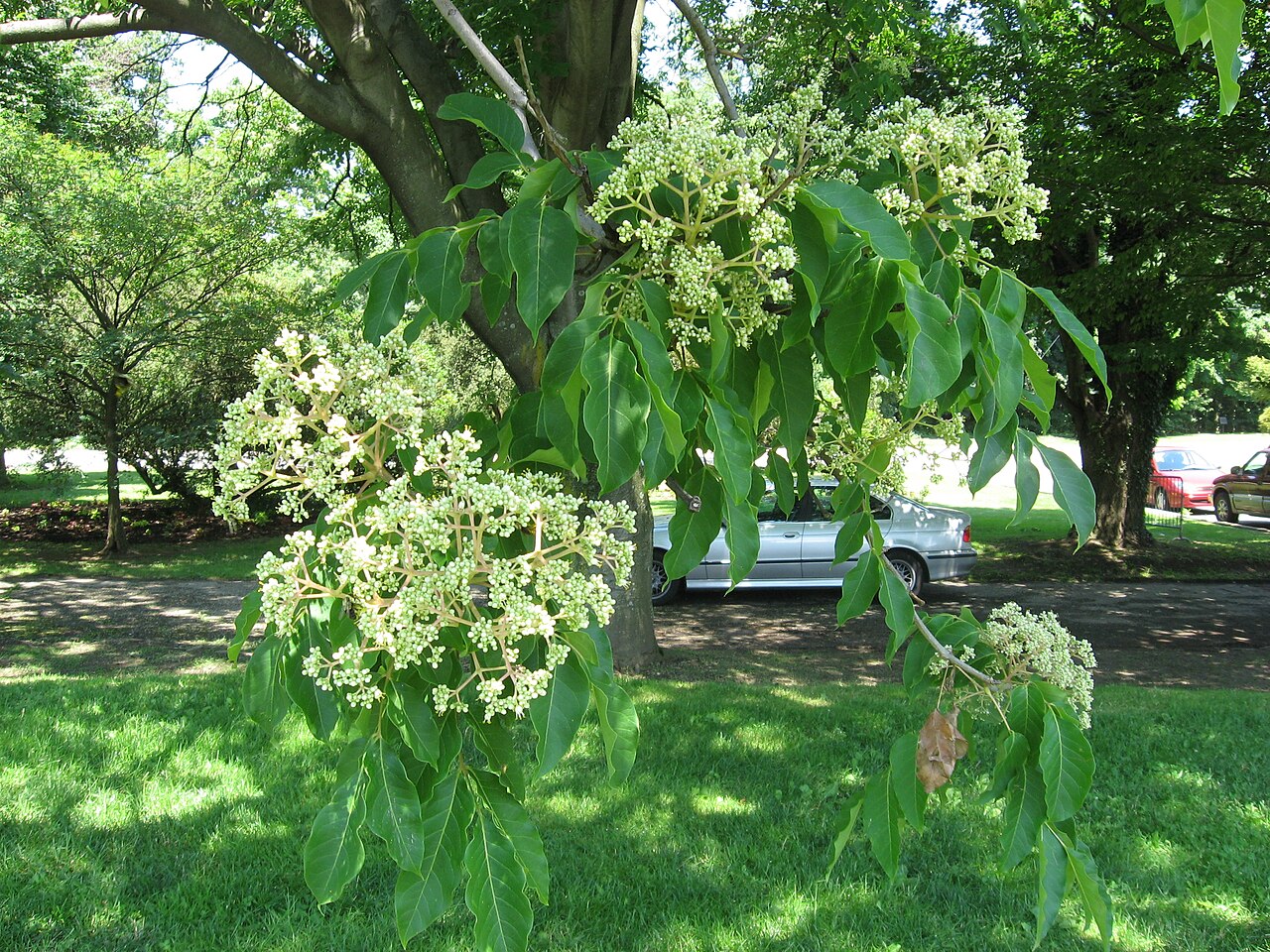 Bee-bee treeBee-bee tree · 1601 yd
 Horse MuseumMuseum · 1614 yd
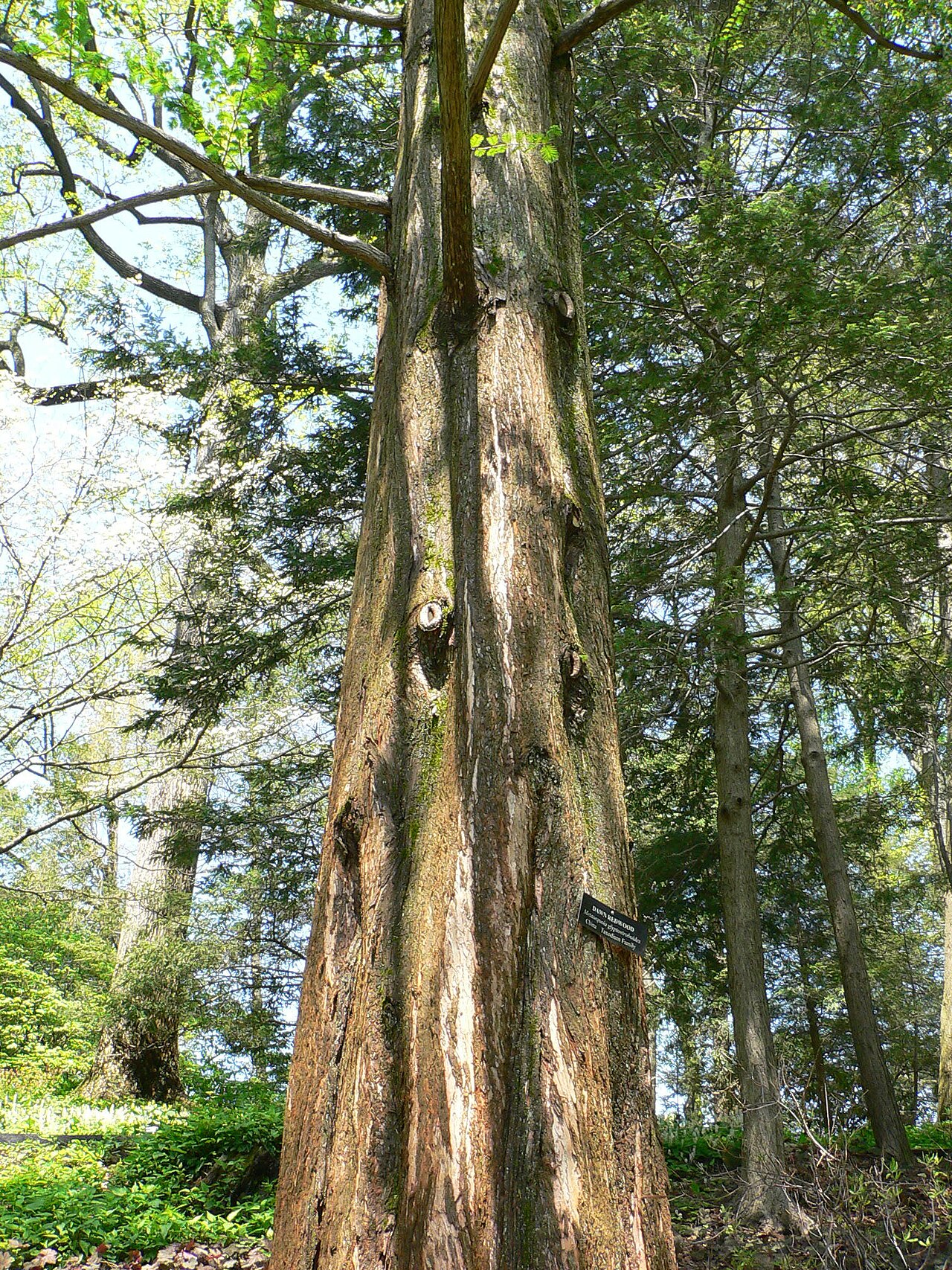 Dawn RedwoodDawn Redwood · 1756 yd
 Bithia Mary CrokerMemorial · 5.7 mi
 Ecclesiastical enclosure in KildareEcclesiastical enclosure · 25 yd