What is recorded here
This holy well, named ‘Tober Molaise’ on the 1912 OS 6-inch map, is located immediately to E of an ecclesiastical enclosure (SL001-001001-) known as the ‘Cashel’.
The well today is as described by Wakeman (1893, 124): ‘There are two holy wells on Inishmurray – one of which stands outside the Cashel, near the Water-gate, to which portal it probably gives its name. It is dedicated to St Molaise, and is covered by a stone-roofed, bee-hive-shaped, mortarless structure, measuring, internally, seven feet by six [2.1m by 1.8m]. The doorway, a truly Cyclopean work, is six feet [1.8m] in height, three [0.9m] in breadth at the lintel, and four [1.2m] at the base. Five stone steps lead from this ope to the water, which is neither abundant nor palatable.’ Although the entrance is clear, much of this feature is heavily overgrown and partly obscured by abutting field walls and associated spreads of small rubble.
The above description is derived from the results of a survey of the archaeological monuments on Inishmurray undertaken in 1997-1999 and published in:
Jerry O’Sullivan and Tomás Ó Carragáin 2008 Inishmurrary. Monks and pilgrims in an Atlantic landscape. Volume 1: Archaeological Survey and Excavations 1997-2000. Cork. The Collins Press.
Date of upload: 16 January 2018
Tober Molaise is associated with Saint Molaise, a 7th-century Irish monk and hermit linked to Inishmurray and the surrounding area. The well was traditionally visited for its healing properties, particularly for eye ailments, and was often circumambulated as part of devotional practices.
The monument record does not grant public access. Check the route and ask the landowner before entering private land.
- What survives
- Recorded monument
Places near here
 Teampull Molaise, TeampullnabarChurch · 20 yd
 St Molaises ChapelChurch · 41 yd
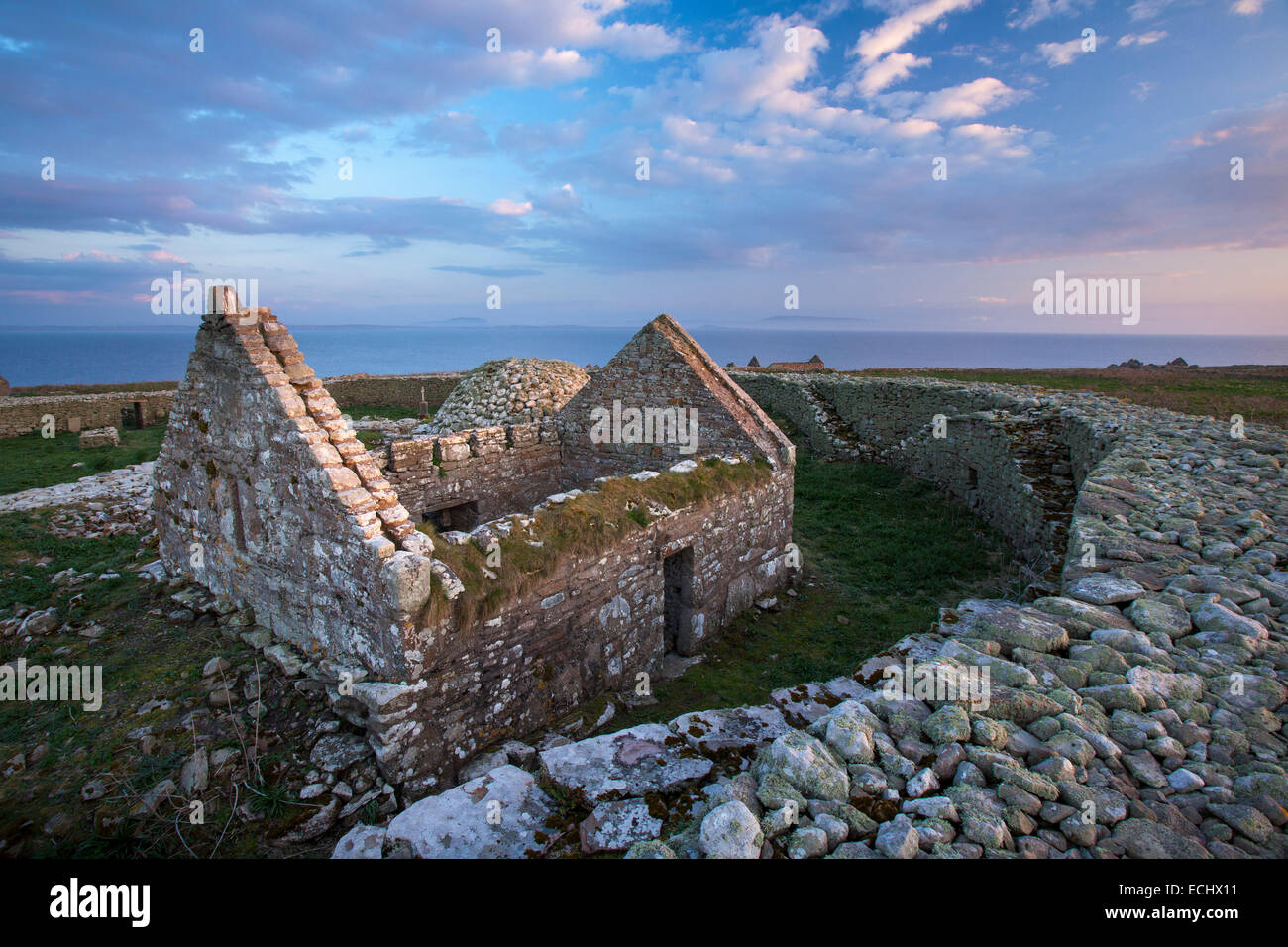 Inishmurray Island Monastic SiteHeritage attraction · 56 yd
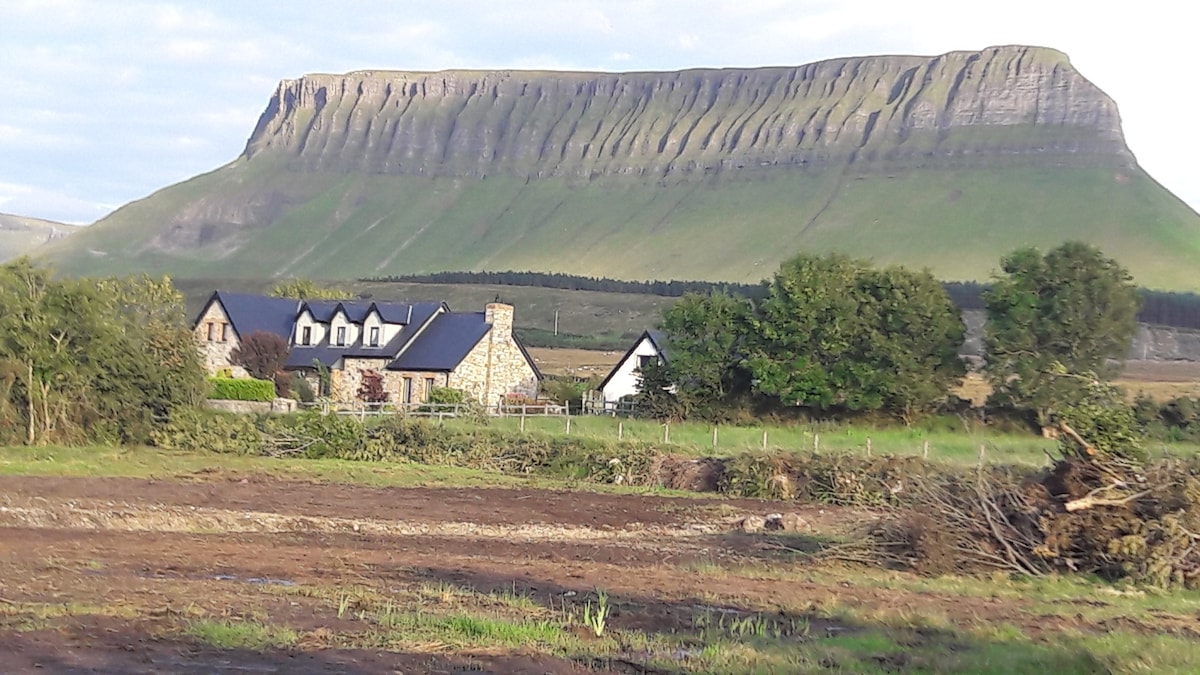 Laghta ColumbkilleLeacht · 95 yd
 Enclosure in InishmurrayEnclosure · 131 yd
 InishmurrayIsland · 177 yd
 Streedagh BeachVisitor information · 4.3 mi
 de Cuellar Armada MonumentMemorial · 4.4 mi
 Connors IslandIsland · 5.4 mi
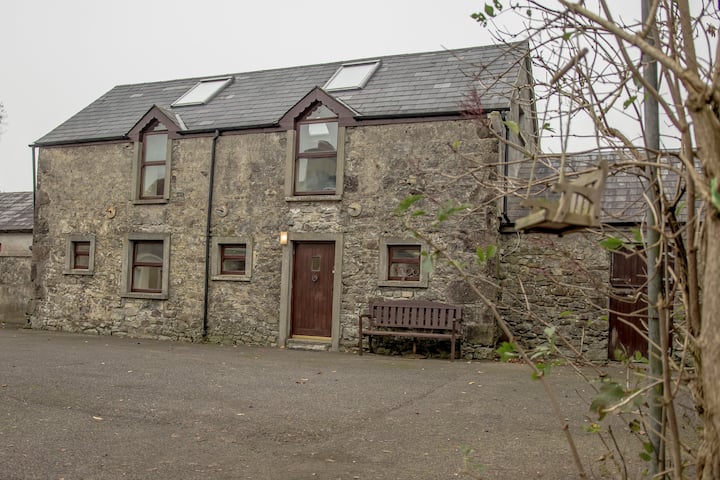 Bawn in DoonforeBawn · 5.7 mi
 Knocklane CastleRuins · 5.8 mi
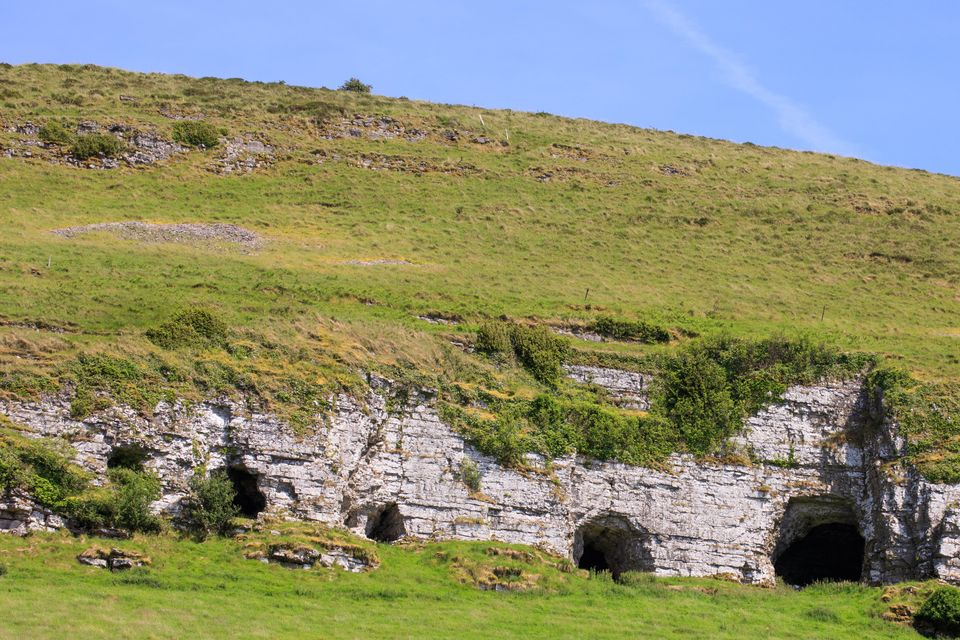 Upperglen WoodForest · 6.1 mi