
What is recorded here
Thomastown Castle is a three-storey tower house in County Louth, Ireland, now hidden inside a large Georgian house called Knockabbey. Its medieval identity has nearly vanished under plaster, later windows and modern crenellations, leaving only a narrow slit in the north wall and the ghost of a blocked eastern entrance. The building still stands as much a creature of forgetting as of stone, its old stairwell and vaulted passage buried beneath layers of domestic reinvention.
This tower house has been modernised into a large house known as Knockabbey, dating to the Georgian period with later additions abutting at the W and S sides (Bence-Jones 1978, 178); it now has little of its original medieval features visible. It is three storeys high and has angle-towers which rise above the battlement level. The tops of the towers and the parapet walls have modern crenellations. The windows are later insertions, as is the large doorway in the centre of the N wall. It has projecting towers at the SE and NW angles. That at the SE projects eastwards by c. 2m and contained the original stairwell. The original entrance, now blocked, was in the E end of the S wall and led into an E-W barrel vault and to the stairwell which was to the E of the doorway. The interior is plastered so that no centring can be seen. The only original window that can be seen is a simple slit ope at ground level in the N wall. There is now no evidence of the garderobe which should have been located in the NW tower. (Dolan 1923, 179-80)
The above description is derived from both the published 'Archaeological Inventory of County Louth' (Dublin: Stationery Office, 1986) and the 'Archaeological Survey of County Louth' (Dublin: Stationery Office, 1991). In certain instances the entries have been revised and updated in the light of recent research.
Date of upload/revision: 17 July 2007
Thomastown Castle, originally a tower house, was likely built by the Fitzgerald family, the dominant Anglo-Norman lords in the region, during the late medieval period. It is remembered as part of the historical landscape of Kildare and reflects the transition from medieval to Georgian architecture as it was later expanded and renamed Knockabbey.
The monument record does not grant public access. Check the route and ask the landowner before entering private land.
- What survives
- Recorded monument
Places near here
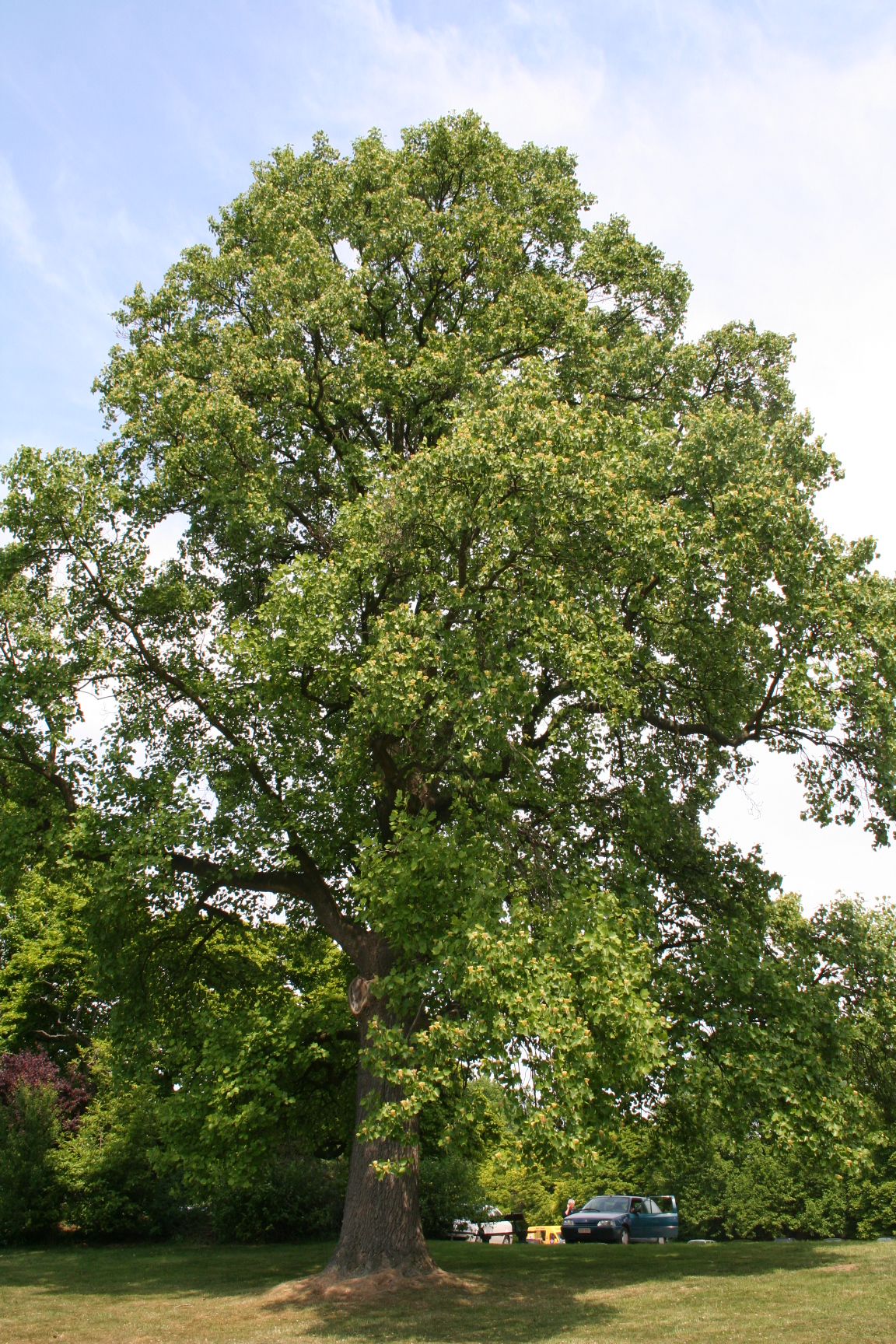 TuliptreeTuliptree · 45 yd
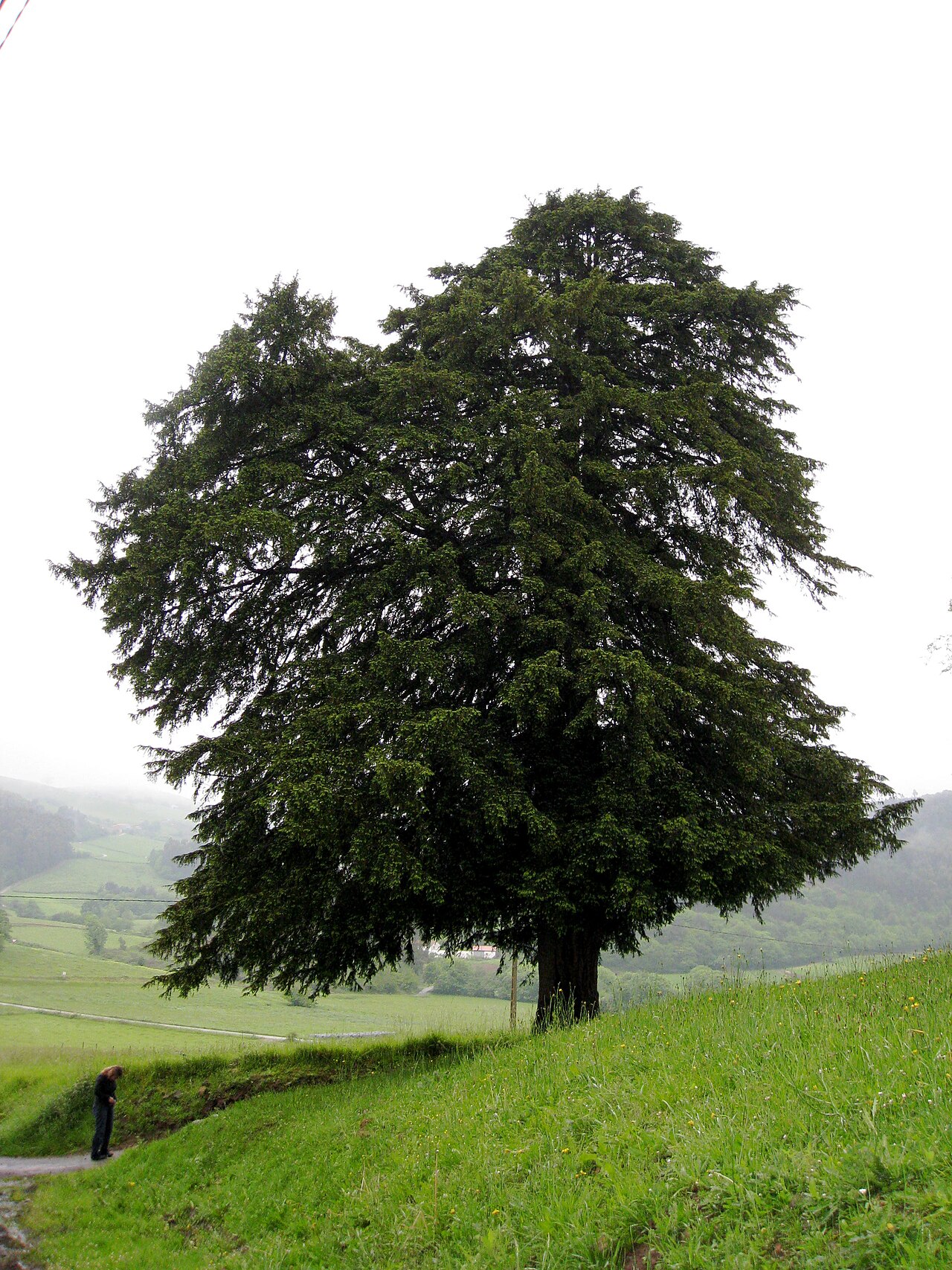 European YewEuropean Yew · 61 yd
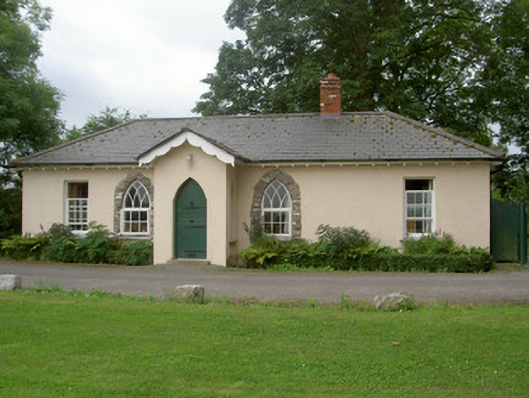 Knock Abbeygate lodge · 163 yd
 Enclosure in Thomastown (ardee By., Philipstown Par.)Enclosure · 315 yd
 Enclosure in RathneestinEnclosure · 859 yd
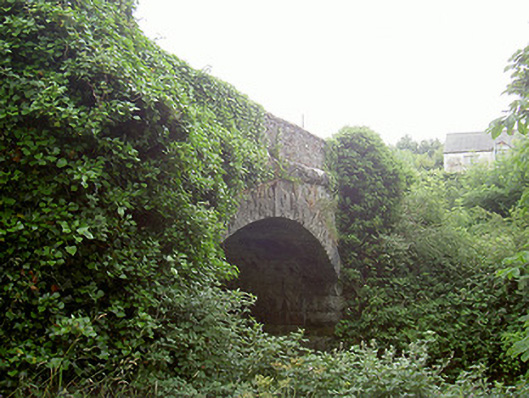 bridgebridge · 1558 yd
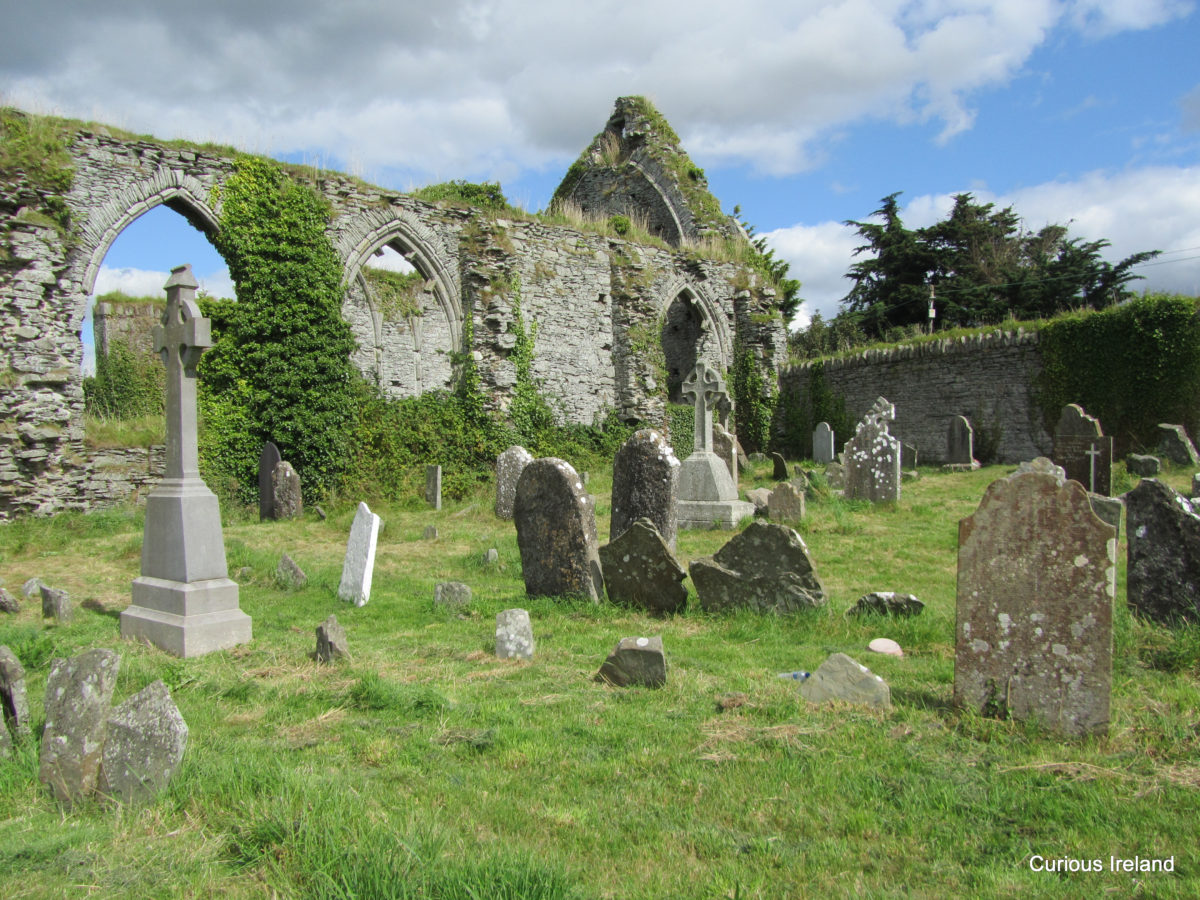 RathneestinCastle, tower house · 1689 yd
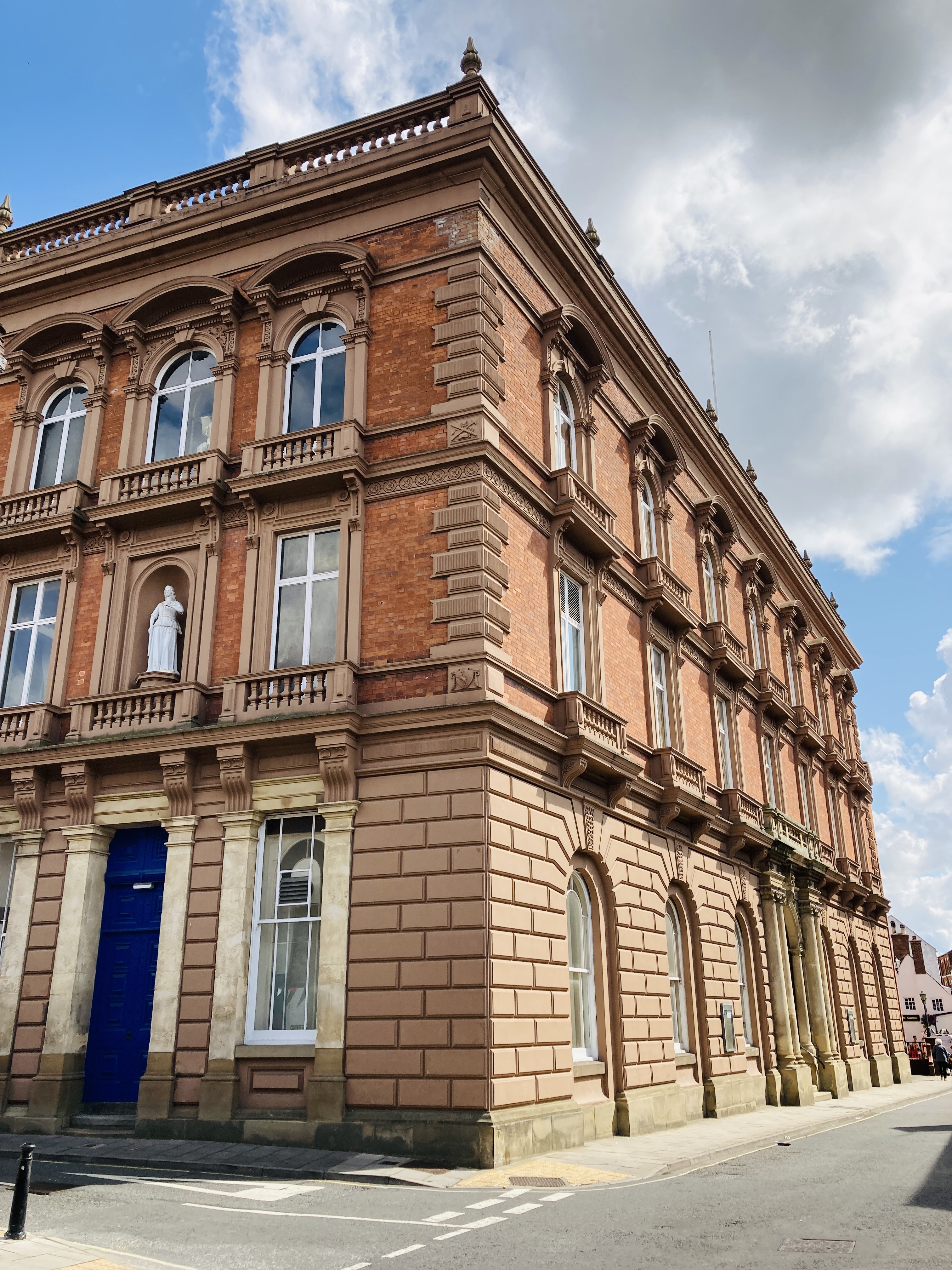 MoatCastle, motte and bailey · 1.5 mi
:no_upscale()/cdn.vox-cdn.com/uploads/chorus_asset/file/25593391/County_Louth_6th.jpg) LouthMountain / peak · 2.4 mi
LouthMountain / peak · 2.4 mi Flat cemetery in AnnaheanFlat cemetery · 3.0 mi
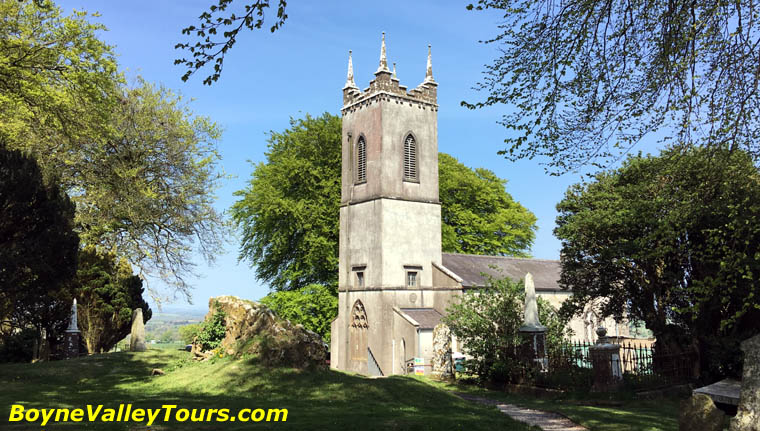 Matthew's HillMountain / peak · 4.6 mi
 Sir Frederick Foster MemorialMemorial · 5.3 mi
Other information
Photo: Garry Dickinson · CC BY-SA 2.0