
More pictures of this place


What is recorded here
One word in the official record changes the whole story. The church is also mentioned in the title of the first volume of memoirs of Austin Clarke, 'Twice Round the Black Church' (1962).
Detached single-cell eight-bay former church of Ireland church, built 1830, having square-profile tower with spire over entrance (west) end, and corner buttress towers. Now in use as offices. Pitched slate roof, octagonal ashlar limestone spires to towers, crenellations to gables, corner pinnacles. Cut snecked limestone walls, having gabled buttresses to nave elevations, gablets between buttresses. Cut stone string courses. Chamfered plinth course and stepped sill course. Pointed arch window openings to nave, each with carved hood moulding and leaded windows. Quatrefoil window to west elevation over door opening. Triple lancet window to east elevation with square-headed tripartite window with stone mullions to crypt, now blocked. Pointed arch door opening to west end, having surround to centre of west elevation, with cut stone splayed faceted jambs and hood moulding. Double-leaf glazed timber door, timber panelling to tympanum. Granite platform and granite steps. Wrought-iron railings on cut granite plinth wall. Parabolic roofed interior. Plastered walls, open-plan office space, having recent gallery to each elevation.Located on island site
The church is also mentioned in the title of the first volume of memoirs of Austin Clarke, 'Twice Round the Black Church' (1962).
Saint Mary's Chapel of Ease, known as the Black Church, was constructed in 1830 to designs by John Semple & Son. The structural ingenuity of its parabolic vaulted interior Casey (2005) suggests is "more likely to be the brain-child of a thirty-year-old than a man of sixty seven.' John Semple Senior (1763-1840) and Junior (1800-82) were architects to the Board of First Fruits for the Ecclesiastical Province of Dublin. It was deconsecrated in the late twentieth century and adapted for office use. The calp limestone exterior is enhanced by cut limestone detailing, and the pinnacled buttresses, slender lancets and crenellated parapets are indicative of the high quality of stone masonry skills in the early nineteenth-century. This unusual building ends an axis from Parnell Square and adds an ecclesiastical focal point to Mountjoy Street. It is mentioned briefly in the novel Ulysses by James Joyce, in the chapter entitled 'Oxen of the Sun', as the location of one of Bello's many sins, 'He went through a form of clandestine marriage with at least one woman in the shadow of the Black Church'. The church is also mentioned in the title of the first volume of memoirs of Austin Clarke, 'Twice Round the Black Church' (1962). The Black Church has captured the imagination of Dubliners, local legend tells that a person walking three times anti-clockwise at midnight around the Black Church reciting the 'Hail Mary' will see the devil.
The story behind this place
The church is also mentioned in the title of the first volume of memoirs of Austin Clarke, 'Twice Round the Black Church' (1962).
This does not grant access. Most recorded buildings are privately owned; view them only from public ground unless the owner allows entry.
Places near here
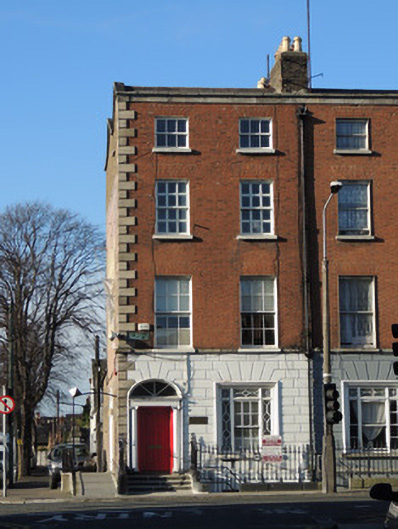 Mountjoy Family Practicehouse · 52 yd
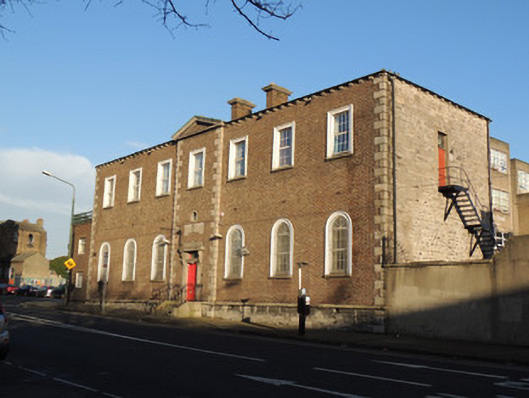 Open Heart Houseschool · 59 yd
 Iris MurdochMemorial · 309 yd
 We saw a visionMemorial · 316 yd
 14 Henrietta Street museumMuseum · 321 yd
 King's Inns ParkVisitor information · 349 yd
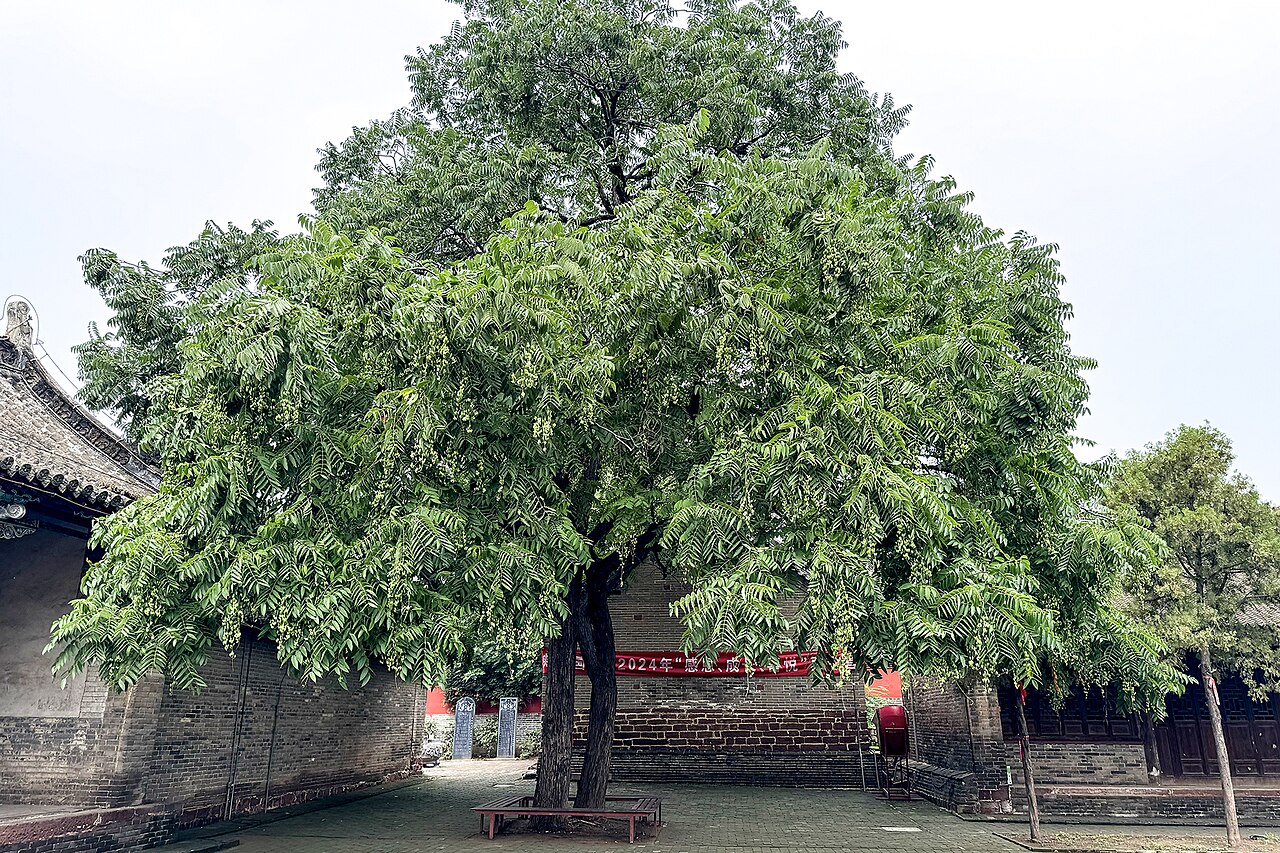 Chinese ToonChinese Toon · 364 yd
 Hungry TreeHeritage attraction · 470 yd
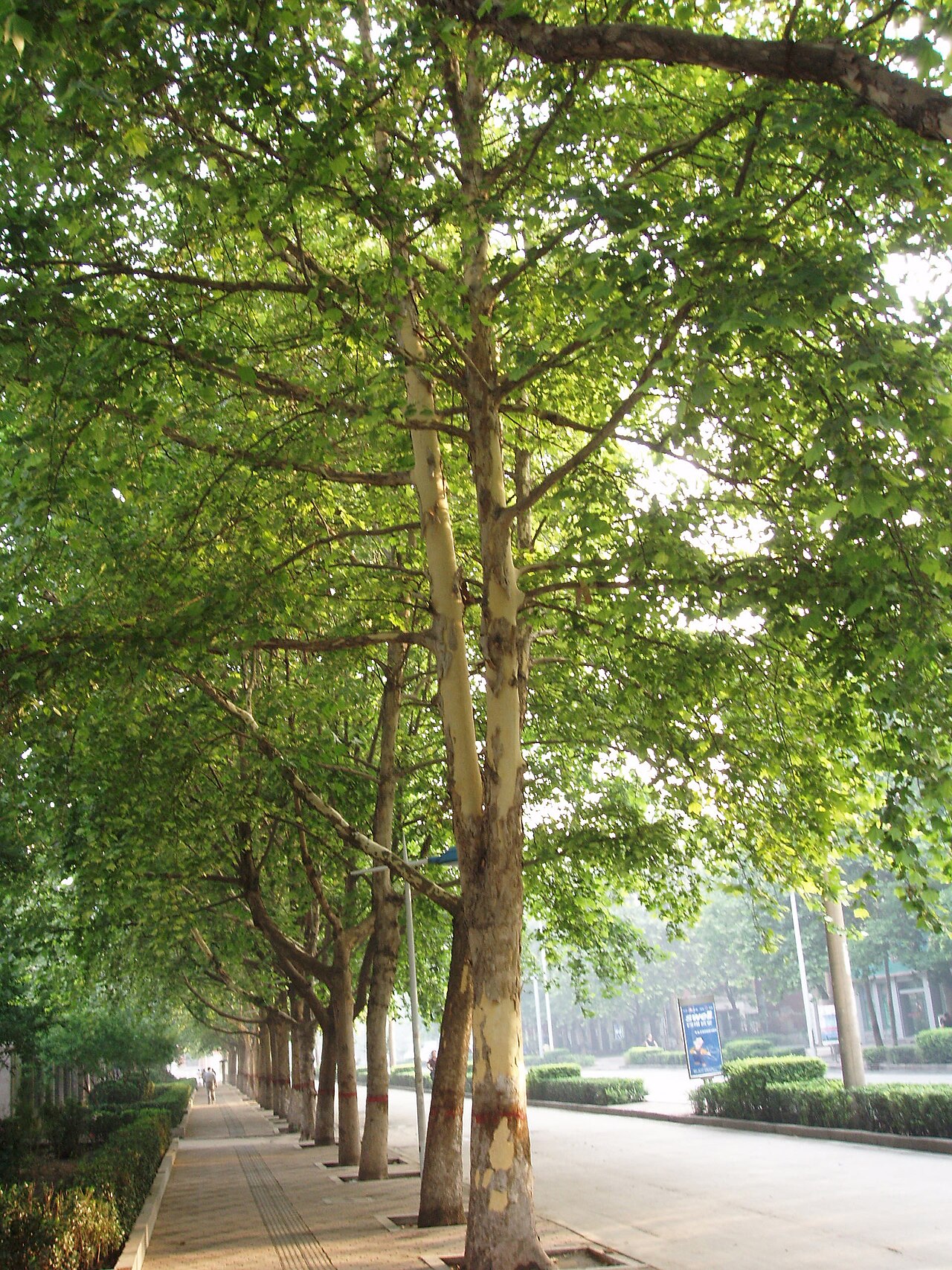 London PlaneLondon Plane · 475 yd
 Burial ground in Unknown TownlandBurial ground · 548 yd
 Burial in Unknown TownlandBurial · 558 yd
 Ecclesiastical residence in Unknown TownlandEcclesiastical residence · 1309 yd
Other information
Photo: Ray Esten · CC BY-SA 4.0