
What is recorded here
This church, which is named ‘Templemurray or Templenaman’ (Mary’s Church or the Women’s Church, respectively) on the 1837 and 1912 OS 6-inch maps, is located 25m N of the shoreline on the SE side of Inishmurray island, and 85m SE of an early medieval ecclesiastical enclosure (SL001-001001-). The church stands within the N end of an oblong enclosure (SL001-002002-), which also encloses a graveyard (SL001-002007-). There are an inscribed stone (SL001-002005-) and a cross-slab (SL001-0020012-) within the church, and a bullaun stone (SL001-002004-) immediately outside the door.
This large rectilinear building is orientated east/west and measures 8.6 m long by 4 m wide, within walls 0.7 m thick. The walls are of mortared rubble construction, with large blocks roughly coursed. There is a plain doorway, internally splayed, midway in the south wall (this is now closed by a new barred & padlocked gate). An older doorway in the west gable is indicated by a large panel of secondary or inserted masonry. The east gable is pierced by a single window, broadly splayed, with external mouldings. This is flanked by narrow, plain, splayed windows – set directly over aumbries – in the east ends of the north and south walls. The footings of a stone altar can be seen against the east gable, beneath the window. There are four small grave markers – undecorated rough slabs – set upright within the floor. Otherwise, this is overspread with modern gravel. A cross-slab (SL001-002012-) rests against the north wall.
The building now stands almost entire to the wall heads, but has clearly been substantially rebuilt and is heavily pointed throughout. A mortar sample from the building yielded a calibrated radiocarbon date of AD 1320–1640 at two sigma probability (Berger 1995, 172).
This is a National Monument (no. 117) in state ownership.
The above description is derived from the results of a survey of the archaeological monuments on Inishmurray undertaken in 1997-1999 and published in:
Jerry O’Sullivan and Tomás Ó Carragáin 2008 Inishmurrary. Monks and pilgrims in an Atlantic landscape. Volume 1: Archaeological Survey and Excavations 1997-2000. Cork. The Collins Press.
Date of upload: 16 January 2018
The church, known as Teampull Mhuire or Teampull-na-mban, was likely built by a monastic community in the early medieval period, probably between the 7th and 10th centuries. Dedicated to Saint Mary, it reflects a typical Irish early Christian church style and is significant as a religious and historical site on Inishmurray, a long-inhabited island in the Sligo region.
The monument record does not grant public access. Check the route and ask the landowner before entering private land.
- What survives
- Recorded monument
Places near here
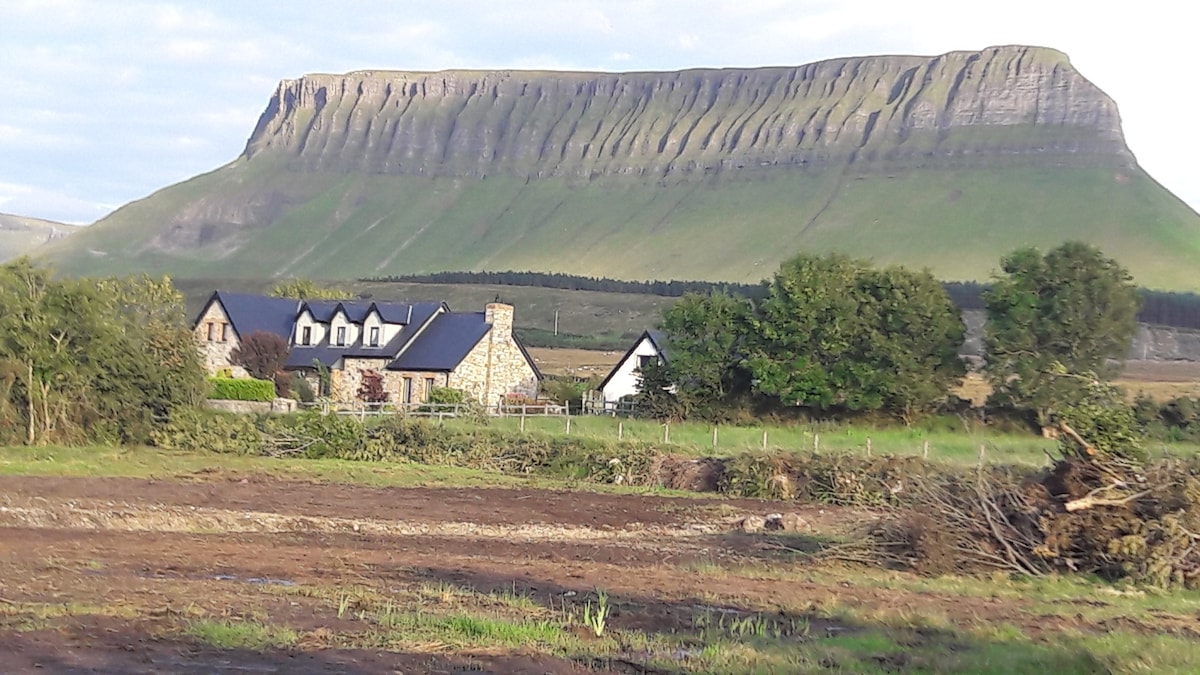 Laghta ColumbkilleLeacht · 17 yd
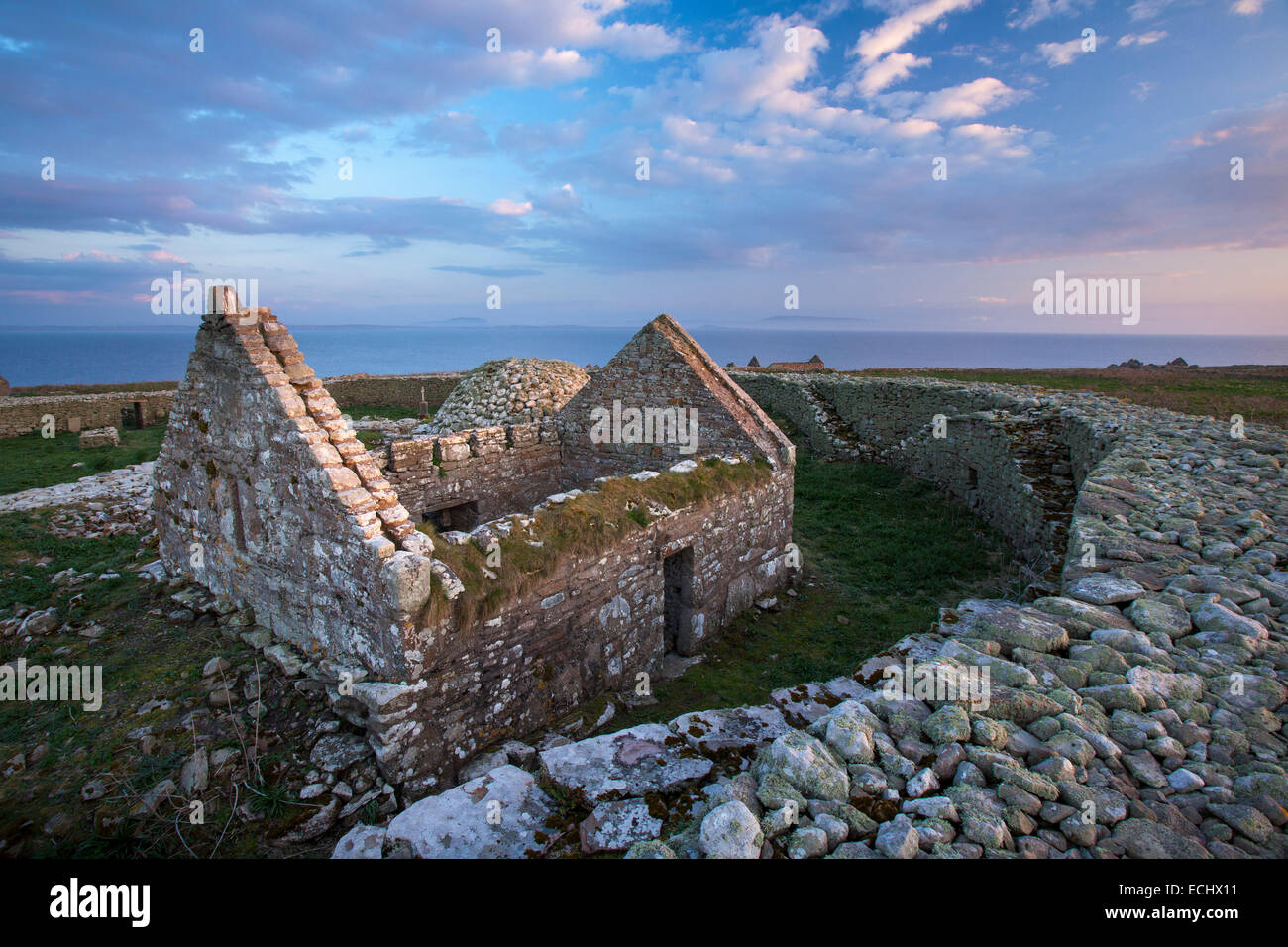 Inishmurray Island Monastic SiteHeritage attraction · 97 yd
 Enclosure in InishmurrayEnclosure · 108 yd
 Teampull Molaise, TeampullnabarChurch · 117 yd
 St Molaises ChapelChurch · 141 yd
 InishmurrayIsland · 276 yd
 Streedagh BeachVisitor information · 4.2 mi
 de Cuellar Armada MonumentMemorial · 4.3 mi
 Connors IslandIsland · 5.4 mi
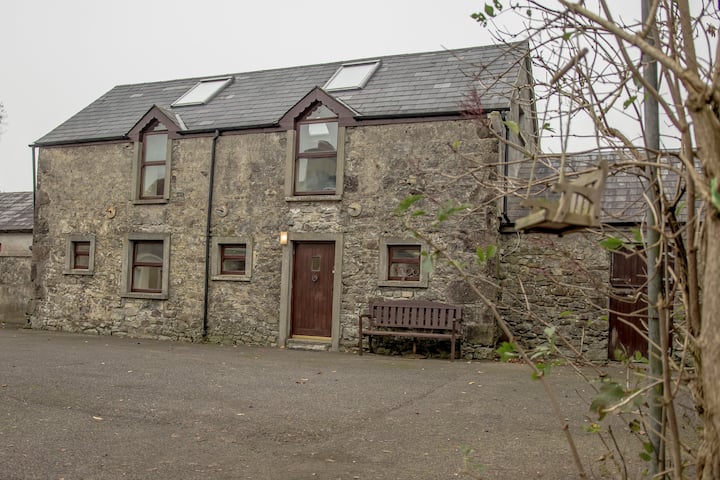 Bawn in DoonforeBawn · 5.6 mi
 Knocklane CastleRuins · 5.7 mi
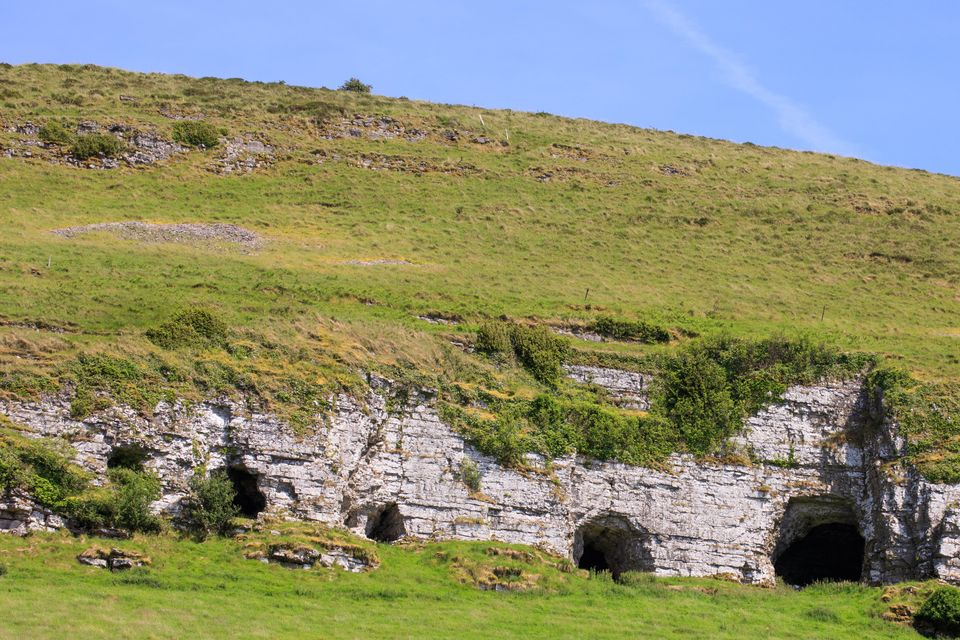 Upperglen WoodForest · 6.0 mi
Other information
Photo: Credit not shown in the picture search · Rights wording not checked; contact us if this picture should be removed