What is recorded here
A possible tower house stands on a scarped hillock, its low wall footings and ivy-covered masonry half-swallowed by the White family burial ground. The Codies and Griffins held the castle before it faded into legend, while ornamental trees now mark the graves of later lives. The circular bawn and stone enclosure still frame the site, preserving a layered history where death, memory and ownership keep turning over the same small hill.
Situated on top of a low hillock in undulating countryside with good views in all directions. The low hillock on which the castle is situated appear to have been partially scarped around the base of the hill and flattened on top. The low wall footings of the NW wall (L c. 10m; wall T c. 0.9m; ext. H 0.8m; int. H 0.2m) of the castle along with the partial wall returns of the N (L 4.8m) and S (L 3.7m) walls are visible today in the NW quadrant of a late 19th/early 20th century private burial ground (dims. 28m N-S ; 31m E-W) belonging to the White family. The shape and dimensions of the upstanding remains of the castle suggest that these may be the remains of a possible tower house. The circular-shaped burial ground is enclosed by a stone wall (Wall T 0.45m) which encloses the low hillock on which the castle is situated. On the N angle of the castle there are the ivy covered remains of a collapsed portion of masonry (H 2.7m; Wth 2m) beloning to the N angle of the castle. There are no architectural features visible on this collapsed section of masonry. The external face of the W wall of the castle is 3m inside the enclosing wall of the burial ground. On the outside of the wall there is evidence of a berm (Wth c. 2m; ext. H 0.7m) enclosing the burial ground and castle from W through to N only which may be the remains of a possible circular bawn (LA021-005001-) of the castle. The enclosing wall of the burial ground has collapsed due to tree root disturbance on the E side and a small gateway on the SW side gives access to the interior. The interior of the burial ground is covered in ornamental trees which appear to have been planted when the site was being used as a private burial ground for the White family. The OS Field Name Books of 1838 records that this townland contained 'an old castle, formerly belonging to the Codies, and afterwards to the Griffins' (OSNB Parish Donaghmore).
The above description is derived from the published 'Archaeological Inventory of County Laois' (Dublin Stationery Office, 1995) compiled by P. David Sweetman, Olive Alcock and Bernie Moran. In certain instances the entries have been revised and updated in the light of recent research.
Compiled by Caimin O'Brien
Date of upload/revision: 9 November 2010
Built by the MacCárthainn (O'Carrigan) family in the 15th or 16th century, Castletown served as a defensive stronghold in a strategically elevated position. It is remembered for its role in the local Gaelic lordship and as an example of early Irish castle architecture in a rural setting.
The monument record does not grant public access. Check the route and ask the landowner before entering private land.
- What survives
- Recorded monument
Places near here
 Burial Gd.Bawn · 7 yd
 OutlinedEnclosure · 214 yd
 Enclosure in Raheen OR CharlevilleEnclosure · 847 yd
 Cloncourse CastleHouse, fortified house · 1354 yd
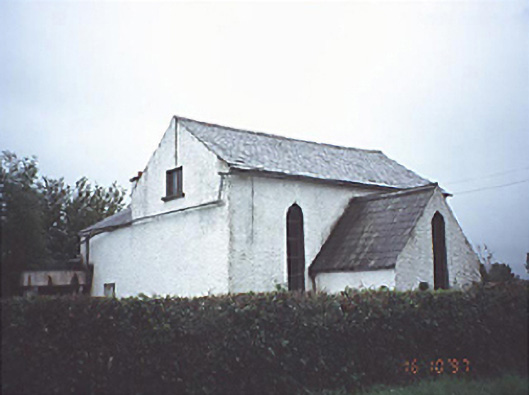 Kyle Church and Schoolchurch/chapel · 1368 yd
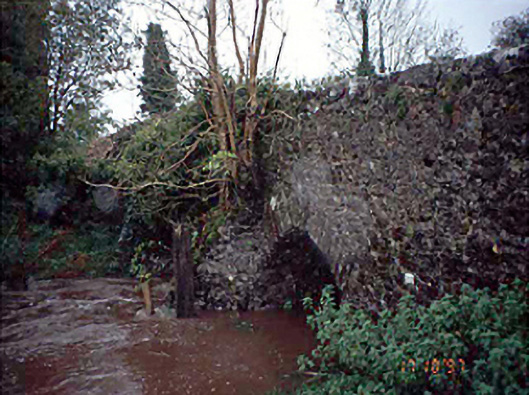 Moneymore Bridgebridge · 1394 yd
 Saint Kieran's WellSpring · 2.9 mi
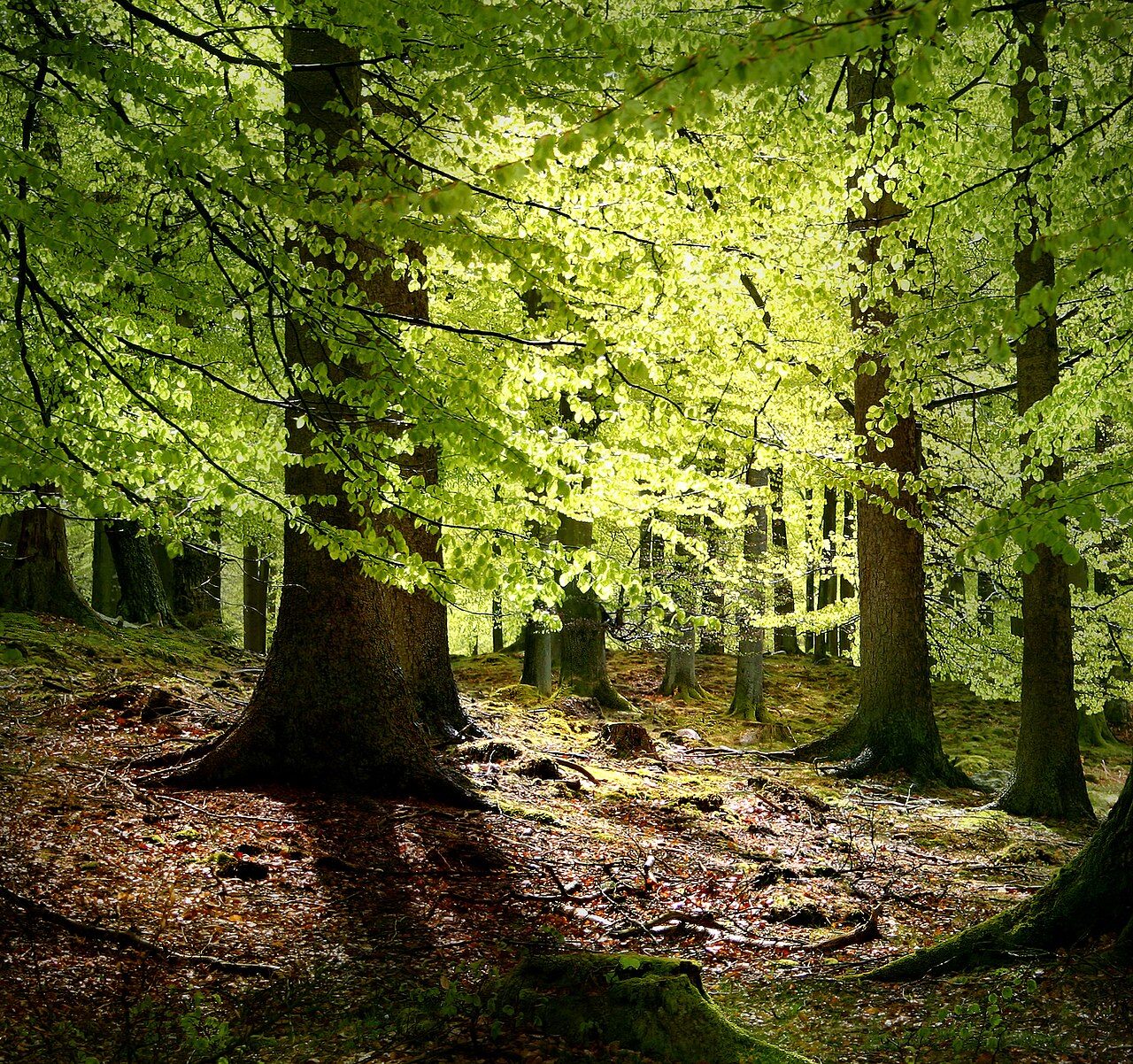 European BeechEuropean Beech · 3.4 mi
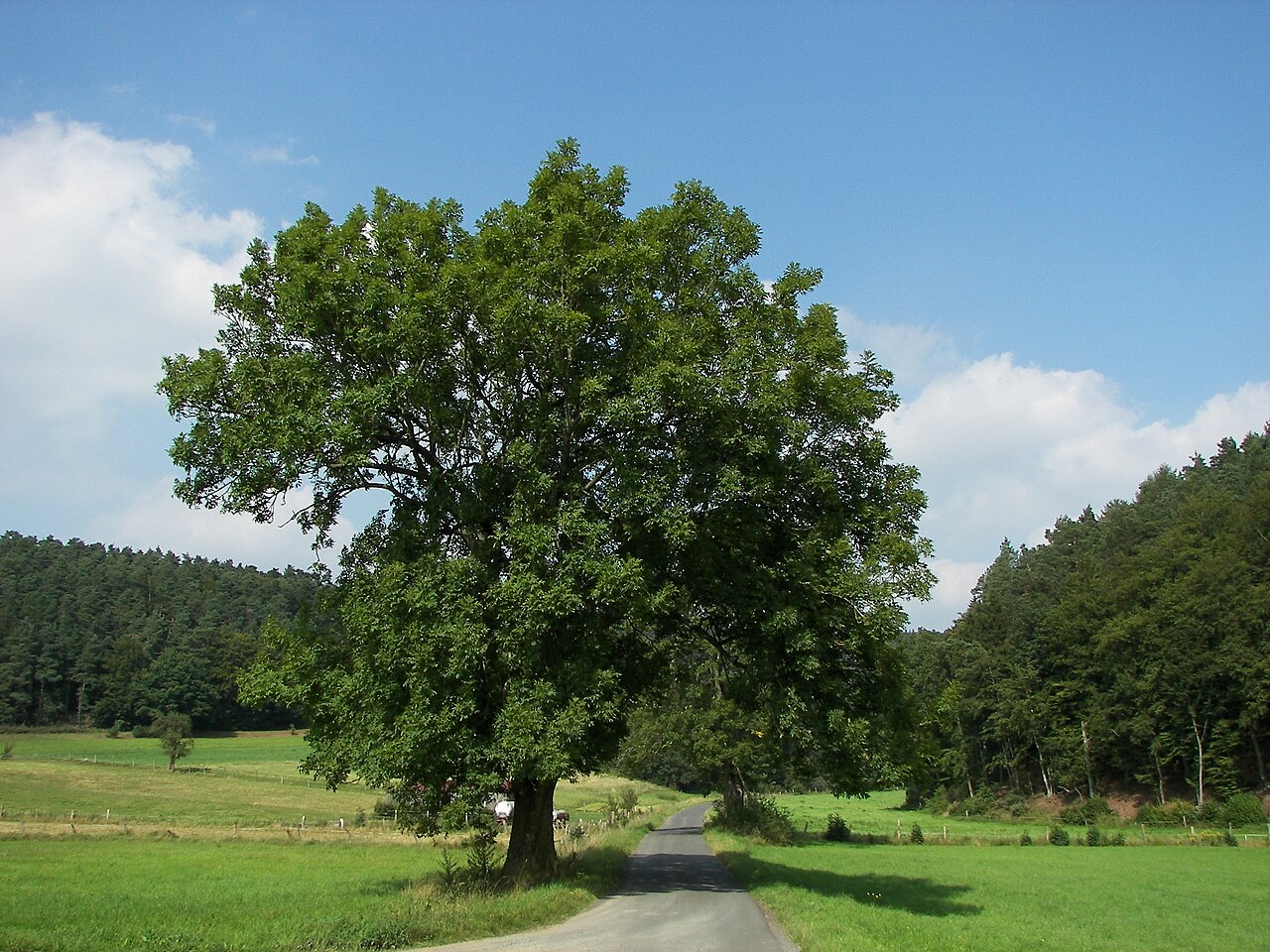 European ashEuropean ash · 3.9 mi
 Millennium GardenMemorial · 4.8 mi
 FarbreagueMountain / peak · 5.1 mi
 Black HillMountain / peak · 5.3 mi