
What is recorded here
In 1932 a food vessel and unburnt male bones emerged from William's Field, proving that Whitestown held more than passing farmland. Seven stones and a heavy capstone had guarded the dead for centuries, waiting for a plough or curiosity to break the seal. The cist still belongs to the living because it proves that people loved, buried and forgot before maps existed.
The National Museum record the discovery of a Food Vessel with a skeleton in a cist burial in 1932 (NMI 1932:5614 A, B).This was uncovered in a field known as 'William's Field'. The grave had been covered by a large capstone. It consisted of a semi-circular arrangement of three tall and four smaller stones which protected the skull and the vessel. It contained the unburnt remains of an adult male and a small amount of cremated bone of an adult male (Cahill & Sikora 2011, 190-194).
Compiled by: Geraldine Stout
Date of upload: 26 August 2011
Cist burial, likely dating to the Early Christian or Iron Age period. Its significance lies in the inclusion of a Food Vessel, indicating ritual or funerary practices associated with the afterlife.
The monument record does not grant public access. Check the route and ask the landowner before entering private land.
- What survives
- Recorded monument
Places near here
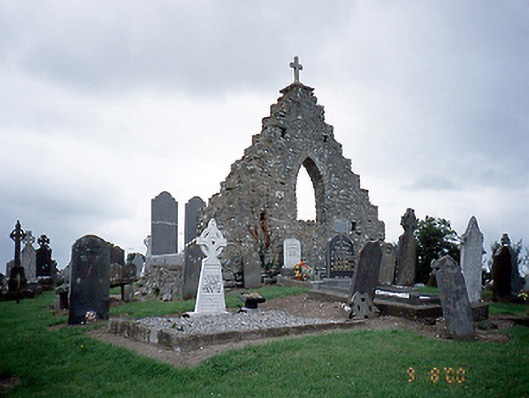 graveyard/cemeterygraveyard/cemetery · 119 yd
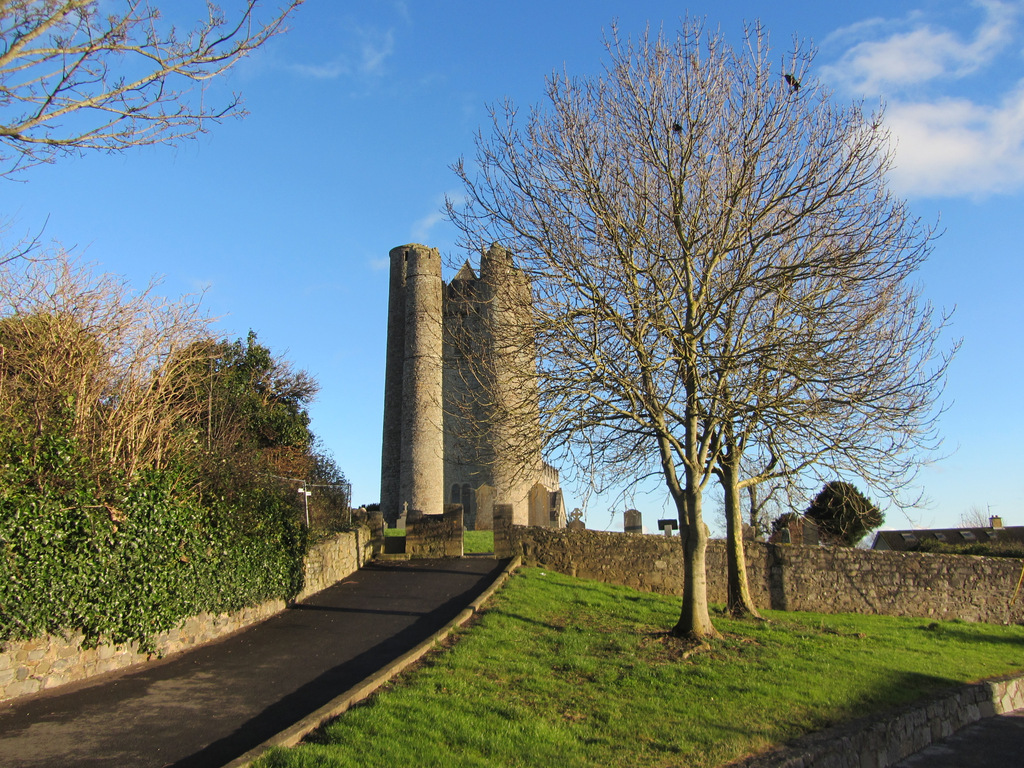 St. Maurs Ch. (in ruins)Church · 124 yd
 Field system in RogerstownField system · 544 yd
 Ring-ditch in RogerstownRing-ditch · 815 yd
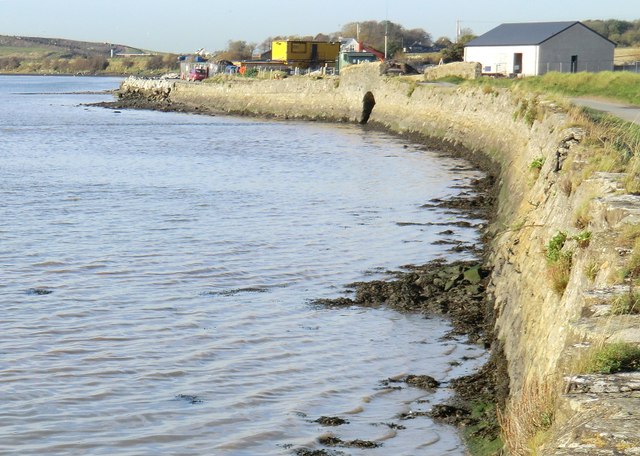 Rush South BeachBeach / strand · 1484 yd
 The MillbankVisitor information · 1520 yd
 JB Autobody Ltd.Visitor information · 1.4 mi
 The Farmhouse 1722Memorial · 1.6 mi
 Orlynn ParkMemorial · 1.9 mi
 Reilly's HillWood · 1.9 mi
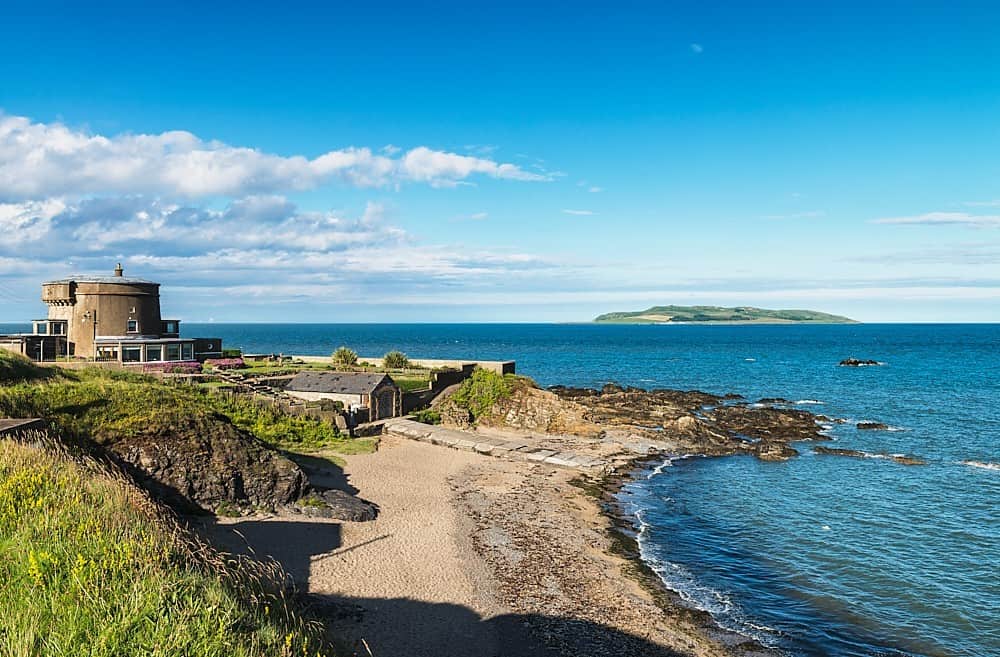 Tower Bay BeachBeach / strand · 2.2 mi
 CastleCastle, unclassified · 2.5 mi
Other information
Photo: Credit not shown in the picture search · Rights wording not checked; contact us if this picture should be removed