
More pictures of this place


What is recorded here
The walls are only the start of this story. A large-scale former gaol, designed in the Georgian Gothic style, in a form more commonly associated with a castle than a purposely built prison.
Detached H-plan former gaol, built 1818-24. Eastern section comprises central three-storey drum gallery with six-bay three-storey single-sided cell blocks extending to east, north and south with terminating three-storey D-plan towers to ends. Roof not visible behind crenellated parapet with cut limestone stringcourse and mock bartizan to corners, dome slate roof to drum gallery with timber cupola and some cast-iron rainwater goods. Roughcast rendered walls, exposed rubble walls in sections, with cut limestone quoins and plinth course. Square-headed window openings to south and east elevations with brick block-and-start surrounds and cut limestone sills. Triangular openings to west elevation with cut limestone surrounds and sills. Square-headed window openings to connecting gallery and terminating towers with cut limestone surrounds and sills, label mouldings to terminating towers. Wrought-iron bars to openings. Segmental-headed door opening to connecting gallery with cut limestone surround having overlight, timber panelled door, wrought-iron bars and accessed via cut limestone steps.
A large-scale former gaol, designed in the Georgian Gothic style, in a form more commonly associated with a castle than a purposely built prison.
A large-scale former gaol, designed in the Georgian Gothic style, in a form more commonly associated with a castle than a purposely built prison. Designed by architect Sir Thomas Dean, work commenced in 1818 and its first inmates were admitted in 1824. Its castellated style and towers indicate the building's fortress-like function. The plain façade and austerity of the cell wings is relieved by end towers and cut limestone window surrounds. The former hospital and debtors' prison complete the site. Throughout the 1820s and 30s many prisoners were detained at the site while awaiting transportation to Australia. Ralph and Isaac Varian, Denny Lane, and Terence Bellew McManus are among the Young Irelanders who were incarcerated in the 1840s, while James Mountaine, John Sarsfield Casey and Brian Dillon, were Fenians who were held in the 1860s. The west wing was remodelled in 1870 and is an interesting example of the changing theories in incarceration. By 1878, it was a women’s prison, and Hannah Reynolds, a Land League supporter was imprisoned in the 1880s, while Countess Markievicz was held in the 1900s. In 1922-3, male anti-treaty supporters were imprisoned, including Jim Hurley, Frank O'Connor, Mary Bowles, Todd Andrews and Sean McCarthy. It ceased to operate as a prison in August 1923.
The story behind this place
A large-scale former gaol, designed in the Georgian Gothic style, in a form more commonly associated with a castle than a purposely built prison.
This does not grant access. Most recorded buildings are privately owned; view them only from public ground unless the owner allows entry.
Places near here
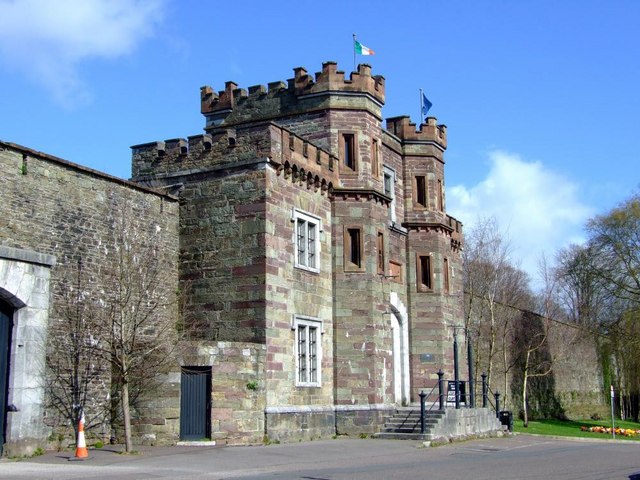 Cork City Gaolprison/jail · 70 yd
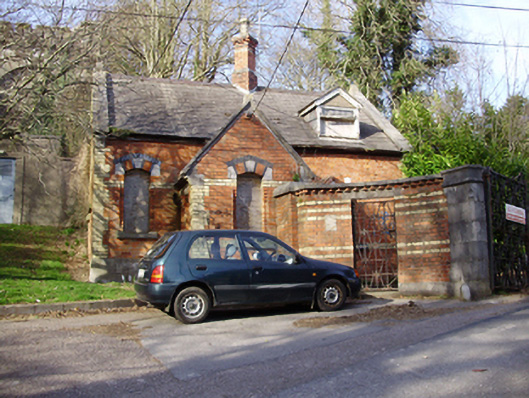 gate lodgegate lodge · 110 yd
 Life In An Urban River: The LeeVisitor information · 384 yd
 Hybrid catalpaHybrid catalpa · 454 yd
 Passage tomb art (present location) in Cork CityPassage tomb art (present location) · 497 yd
 Cork Public MuseumMuseum · 505 yd
 Cycling InformationVisitor information · 621 yd
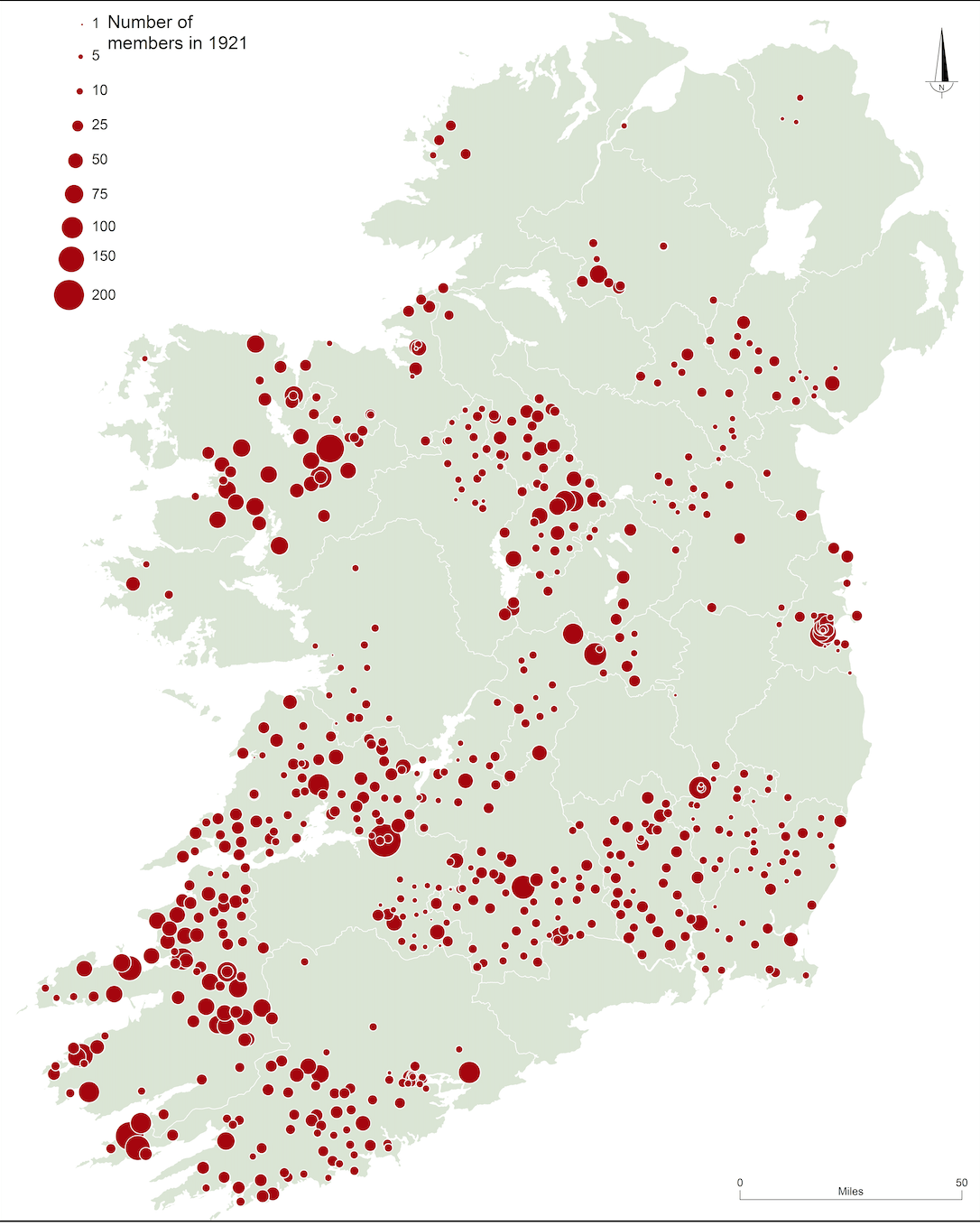 Cumann Uinsinn NaofaMemorial · 658 yd
 John Joe KavanaghMemorial · 795 yd
 Glucksman GalleryMuseum · 860 yd
 Mardyke walkWalking route · 865 yd
 Glossy privetGlossy privet · 914 yd
Other information
Photo: Sheila1988 · CC BY-SA 4.0