What is recorded here
Moyally Castle is a late 16th or 17th-century plantation castle where a surviving oval bastion still holds two opposing garderobe chutes, one opening directly into the destroyed moat. The rectangular bawn wall encloses a level grassy yard, suggesting towers along the edge served as living quarters rather than separate grand halls. Someone stood at that northeast corner, looked down the chute, and dropped waste into water below, turning a brutal military function into an everyday act of life.
Built on a low natural rise of ground in undulating countryside. Rectangular bawn wall (ext. H 3.5m; wall T 1.3m) which encloses a rectangular area (47m N-S ; 33m E-W) level with the top of the surviving bawn wall. The base of an oval shaped bastion (int. dims. 4.6m N-S; 8.6m E-W) survives at the NE angle with two opposing vertical garderobe chutes in the N and S walls where the bastion wall joins the main bawn wall. The chute in the N wall (int. dims. 0.7m by 1.5m) has an arched ope leading into the now destroyed moat. The wide flat bottomed moat (Wth. 6.5m; ext. D 0.75m) which originally enclosed the bawn survives on the NW side only. The bastions on the other three corners are destroyed with a peculiar square shaped bastion projecting out from the S end of the E wall, presumably the foundations of a square tower. The site is similar to the Powder Mills in Ballincollig Co. Cork where the towers on the bawn wall were the residential quarters of the castle. This site is probably a late 16th/17th-century plantation castle. The raised interior of the Bawn has slight evidence of possible rectangular structures along the inside of the bawn wall.
The above description is derived from the published 'Archaeological Inventory of County Offaly' (Dublin: Stationery Office, 1997). In certain instances the entries have been revised and updated in the light of recent research.
Date of upload: 23 May 2011
Moyally Castle was built by the Fitzgerald family, the Geraldines, in the 15th century. It is remembered as a significant example of a late medieval Irish tower house and as part of the extensive network of strongholds held by one of the most powerful Gaelic families in Ireland.
This remains an important historical record, but the official description says the monument is no longer visible or has been destroyed. The monument record does not grant public access. Check the route and ask the landowner before entering private land.
- What survives
- No visible remains or recorded as destroyed
Places near here
 Moyally Castle (in Ruins)Bawn · 9 yd
 Structure in MoyallyStructure · 424 yd
 Enclosure in ToberEnclosure · 753 yd
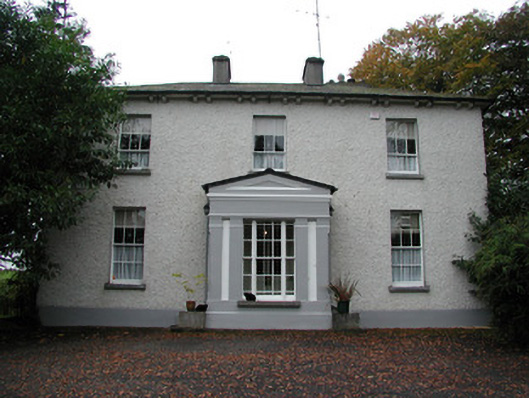 Spring Lawnhouse · 1221 yd
 Catholic Church of the Holy Familychurch/chapel · 1.1 mi
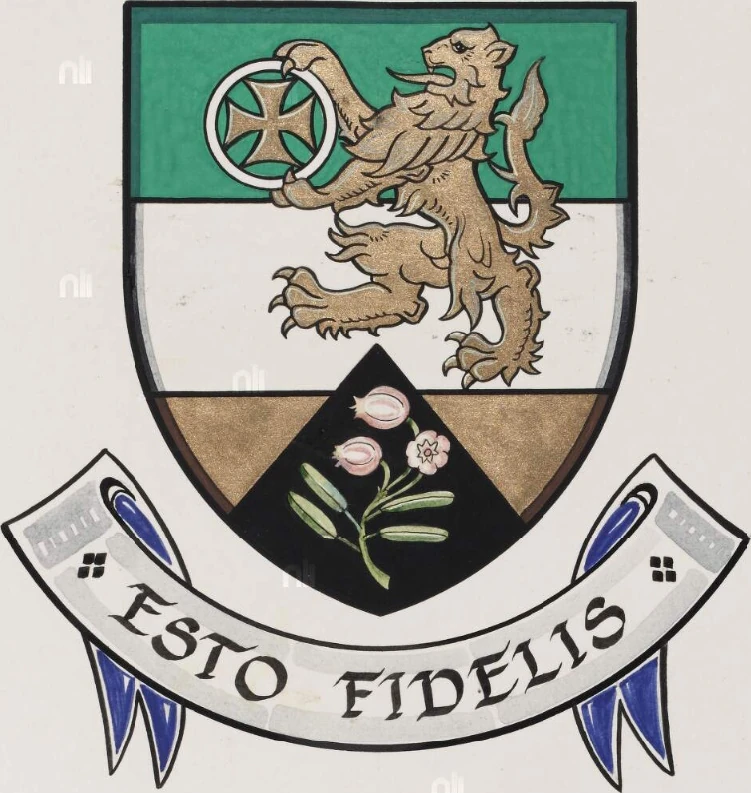 Partially hachuredBawn · 1.5 mi
 Moate HillMountain / peak · 1.7 mi
 Charles BianconiMemorial · 1.9 mi
 The Bob Traynor GalleryGallery · 1.9 mi
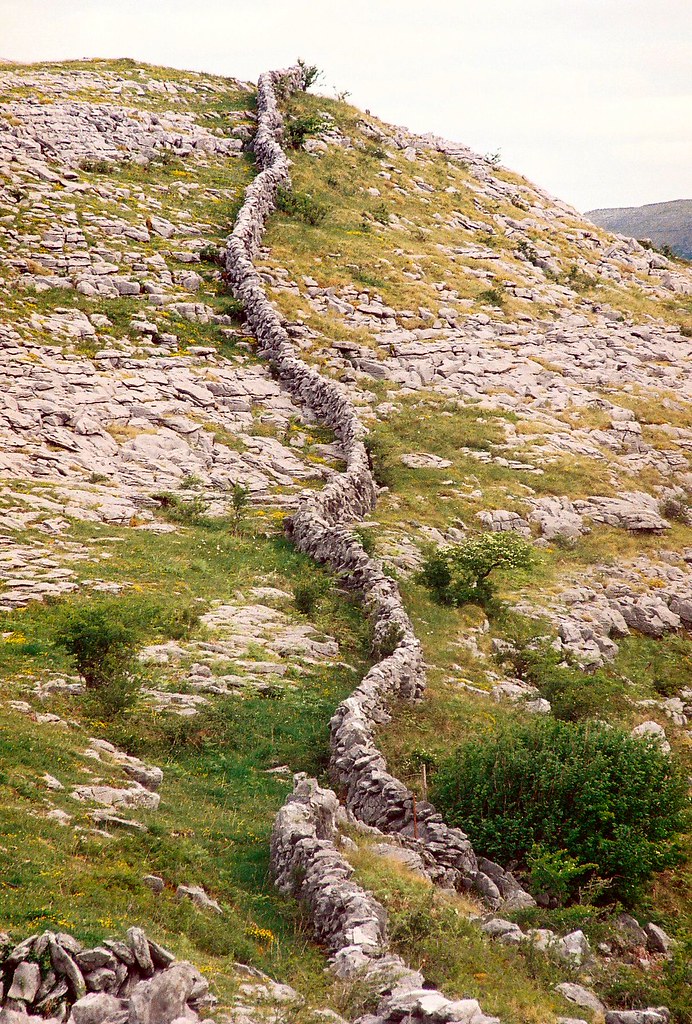 Roughan HillMountain / peak · 2.0 mi
 ToberaskeenSpring · 2.3 mi
 Dún na Sí Heritage CentreMuseum · 2.6 mi