What is recorded here
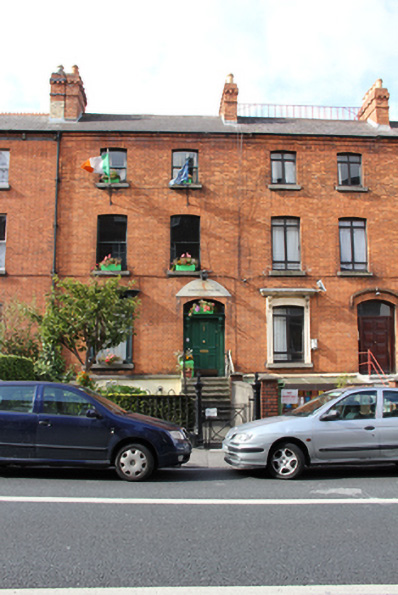
Terraced two-bay three-storey house over raised basement, built c.1880, set back from street and built as one of three identical houses with garden to front. Now in use as youth theatre. M-profile slate roof with roll-moulded black clay ridge tiles and shared corbelled red brick chimneystacks with clay pots to both party walls. Ogee-moulded cast-iron guttering to moulded red brick eaves course and cast-iron downpipe. Red brick walls laid in Flemish bond on granite plinth course over rendered basement walls. Gauged brick segmental-headed window openings with granite sills and one-over-one pane timber sliding sash windows throughout. Aediculed ground floor window with slender panelled pilasters and scrolled foliate console brackets supporting cornice. Gauged brick segmental-headed door opening with timber doorcase. Original flat-panelled timber door with bolection mouldings and central fillet flanked by panelled pilasters and scrolled foliate console brackets to lintel cornice and plain fanlight. Door opens onto granite platform and eight granite steps with original cast-iron handrail opening onto concrete tiled footpath. Front garden enclosed by cast-iron railing on painted granite plinth wall and cast-iron gate on pair of decorative cast-iron gate posts.
Built as one of three identical dwellings, this Victorian townhouse forms part of a terrace that stands out from the remainder of the street for being set back from the street edge, and having machined red brick walls. The house retains many of its original features including all façade details and its original doorcase. The retention of timber sash windows enhances the architectural heritage quality of the building and the window surround to the ground floor, together with the doorcase, provides a decorative focus to the facade. Gardiner Street Upper was laid out in 1790, however, these three houses where not built until after 1876. The terrace and gardens reflect the rise in prosperity of the middle classes in the later nineteenth century, following a lull in development after the Act of Union, and add considerable variety to a largely Georgian streetscape.
This does not grant access. Most recorded buildings are privately owned; view them only from public ground unless the owner allows entry.
Places near here
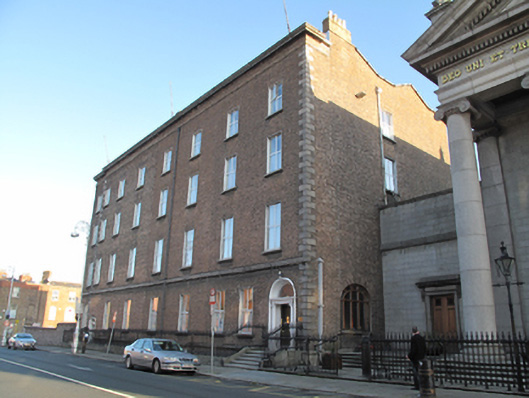 Catholic Church of Saint Francis Xavierpresbytery/parochial/curate's house · 38 yd
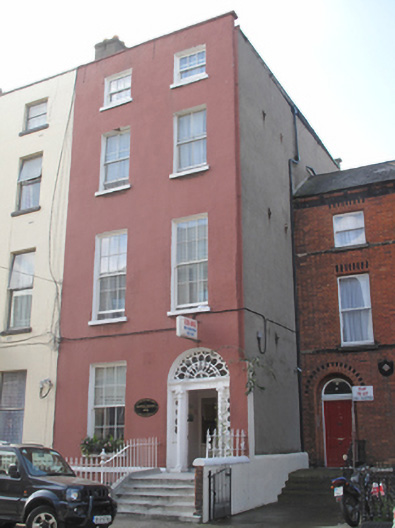 Gable Househouse · 44 yd
 Memorial to Peadar Kearney 1883-1942Memorial · 332 yd
 Burial ground in Unknown TownlandBurial ground · 418 yd
 Hugh Lane GalleryGallery · 522 yd
 Chinese ToonChinese Toon · 582 yd
 Iris MurdochMemorial · 674 yd
 Hungry TreeHeritage attraction · 1145 yd
 London PlaneLondon Plane · 1150 yd
 Burial in Unknown TownlandBurial · 1178 yd
 Burning of the Custom Housearmed conflict · 1267 yd
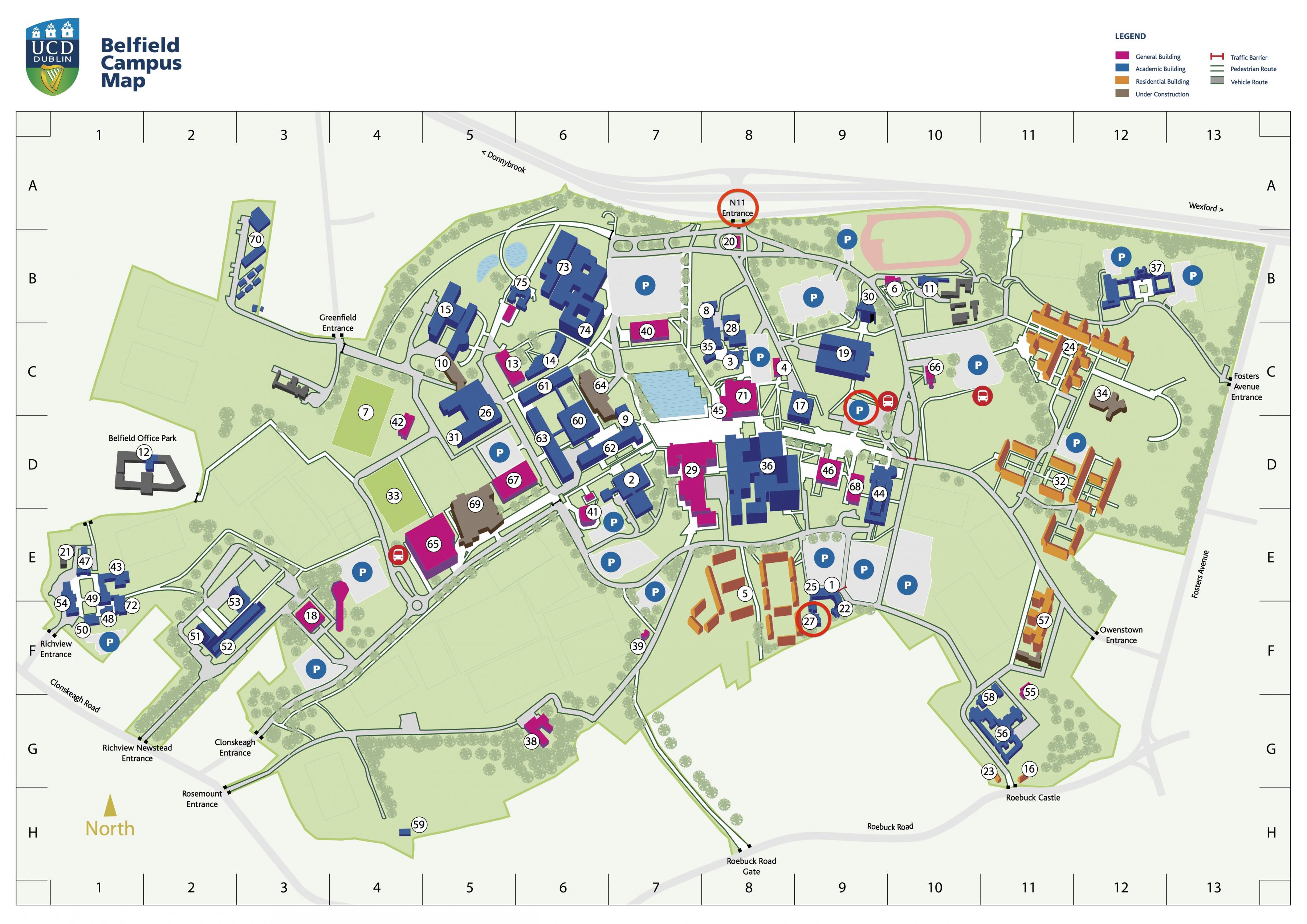 Campus Information PointVisitor information · 1504 yd
Other information
Photo: National Inventory of Architectural Heritage · Website use allowed for educational or private purposes with source credit