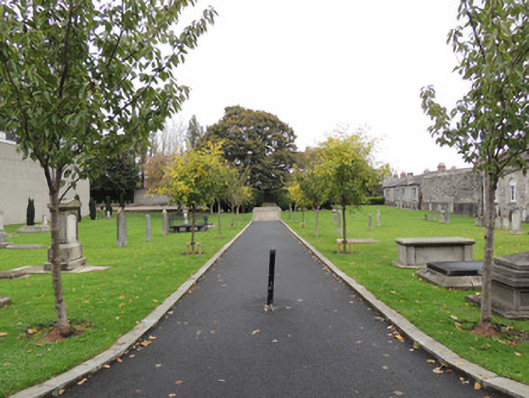
What is recorded here
Graveyard, opened c.1850, in grounds of former barracks. Some roughly dressed limestone boundary walls to north, west, and south-east, having cut stone coping. Elliptical-headed door opening to former school master's quarters, now blocked. Central tarmacadam path, with granite kerbstones. Grave markers and tombs to east and west of path, and also re-sited, leaning against east boundary wall and walls of former schools to north. Paved paths through graveyard.
The military cemetery lies to the north of the Church of the Sacred Heart, the official church of the Irish Defence Forces. It is the final resting place of military personnel and their families, who would have lived in the surrounding area, attended the church, and whose children would have attended the garrison school. In the late-nineteenth century, the north end of the graveyard was converted to a playground for the schools, and a 1916 memorial was constructed in 1956. The graveyard is of historical and social importance as the place where the seven signatories of the 1916 Proclamation of Independence were buried in quicklime after their execution at Kilmainham Gaol in 1916. The graveyard forms part of a group of military-related structures, which includes the Church of the Sacred Heart to the south, military schools to the east, and Arbour Hill former detention barracks to the west.
This does not grant access. Most recorded buildings are privately owned; view them only from public ground unless the owner allows entry.
Places near here
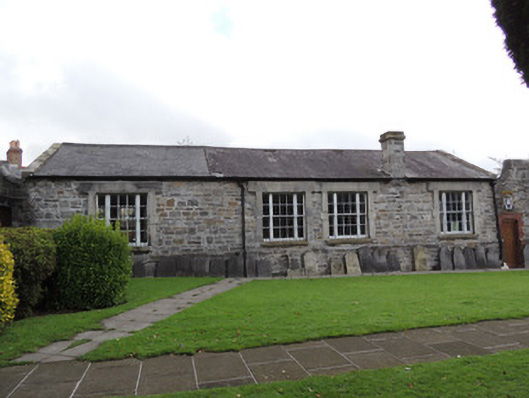 Irish United Nations Veterans' Memorial Museumschool · 31 yd
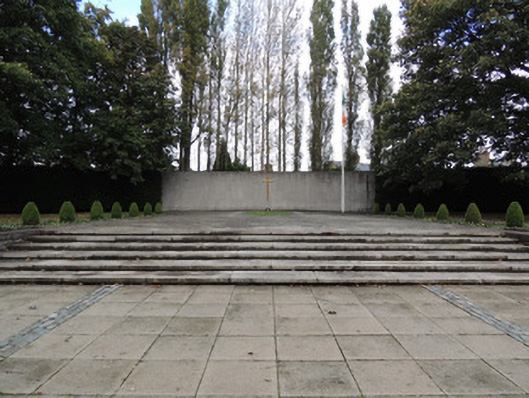 1916 Memorialmonument · 42 yd
 1916 Easter RisingMemorial · 51 yd
 UN Veterans MemorialMemorial · 57 yd
 AsgardMuseum · 229 yd
 National Museum of Ireland, Collins BarracksMuseum · 238 yd
 CastleCastle, unclassified · 242 yd
 Royal BarracksBarracks · 253 yd
 Burial ground in Unknown TownlandBurial ground · 416 yd
 European PearEuropean Pear · 858 yd
 London PlaneLondon Plane · 1003 yd
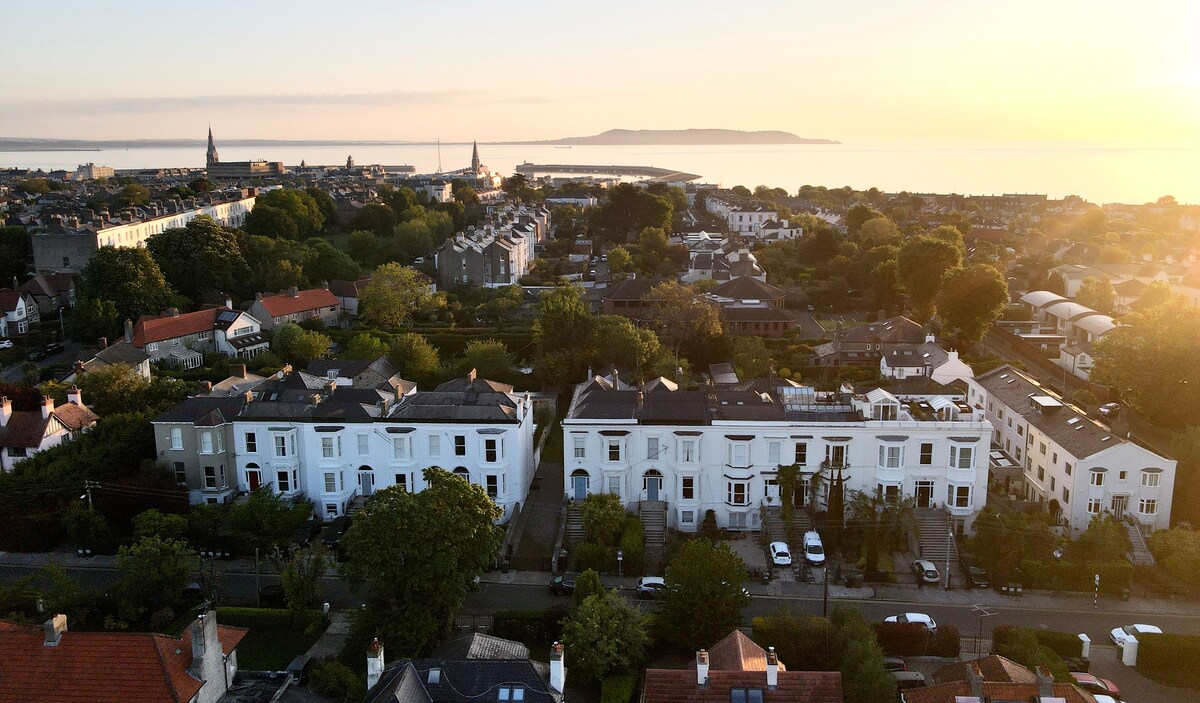 Gairdín Foirmiúil Ospidéal Ríoga Chill MhaighneannVisitor information · 1304 yd
Other information
Photo: National Inventory of Architectural Heritage · Website use allowed for educational or private purposes with source credit