
What is recorded here
Granite ashlar quay, built c.1790, one of several continuous quays that define north side of Liffey. Quay walls are ashlar granite blocks with saddle-back finish, ramped in places. North side bounded by flagstone pavement with granite kerbs, with steel flagpoles adjacent. Custom House located at west end of quay. Quay also retains range of warehousing and Sherzer Rolling lift bridge to eastern end. Memorial to Great Famine by Rowan Gillespie, erected 1997.
Custom House Quay is highly significant as the setting for James Gandon's neoclassical Custom House, one of the city's grandest buildings, built to reflect the its position as a buoyant centre of eighteenth-century trade and commerce. Casey (2005) describes the quay, in the context of the Custom House, as 'the single most important collection point in the Irish Revenue system'. It is the most easterly of a linear arrangement of quays lining both sides of the Liffey, and retains something of its maritime flavour, located in close proximity to the original warehouses, dock basins and industrial infrastructure than remain in the area. Together, the quays are reminders of the economic and maritime development of Dublin city as Ireland's principal port.
This does not grant access. Most recorded buildings are privately owned; view them only from public ground unless the owner allows entry.
Places near here
 Custom House Visitor CentreHeritage attraction · 36 yd
 Burning of the Custom Housearmed conflict · 42 yd
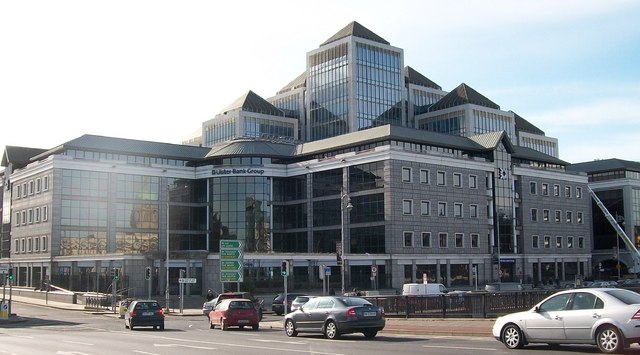 harbour/dock/portharbour/dock/port · 74 yd
 Loop Line Railwayviaduct · 111 yd
 1GQVisitor information · 139 yd
 Matt Talbot 1856-1925Memorial · 158 yd
 Spanish Civil War International BrigadeMemorial · 175 yd
 17 October UN International Day for the Eradication of PovertyMonument · 271 yd
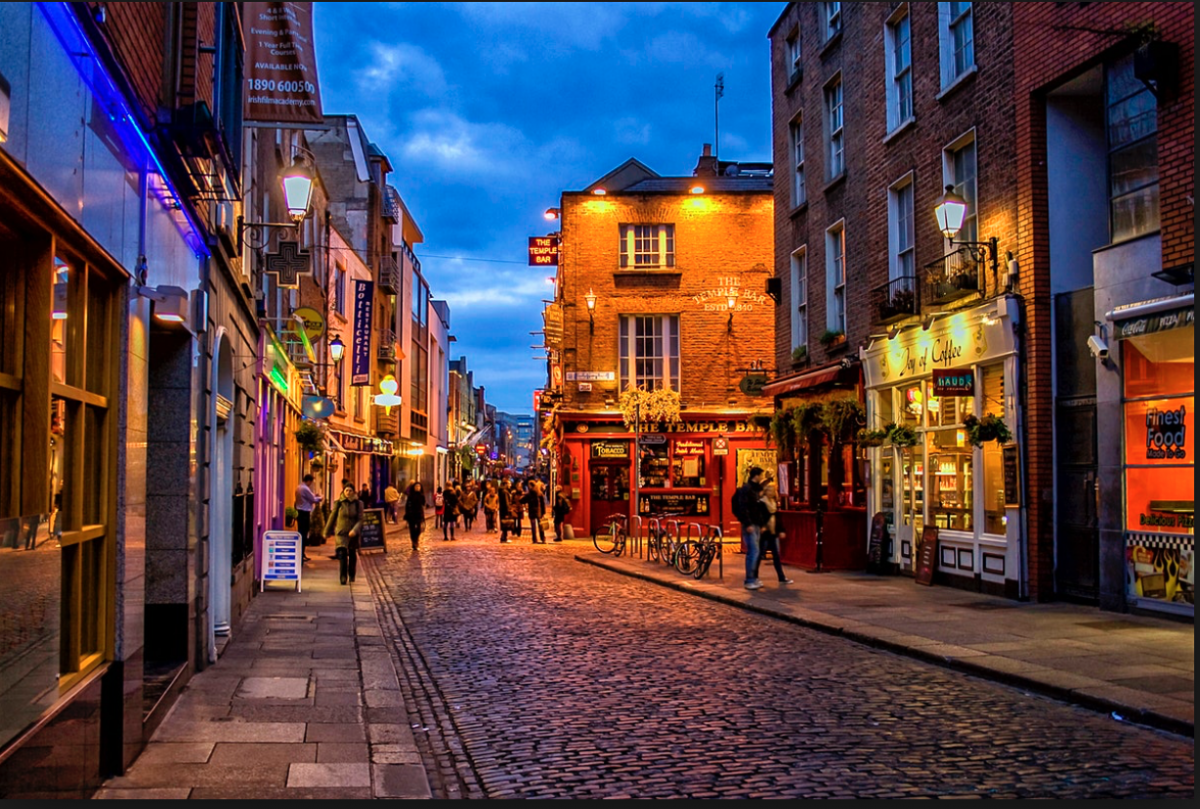 Quay in Unknown TownlandQuay · 322 yd
 Indication parkingVisitor information · 330 yd
 EPIC The Irish Emigration MuseumMuseum · 375 yd
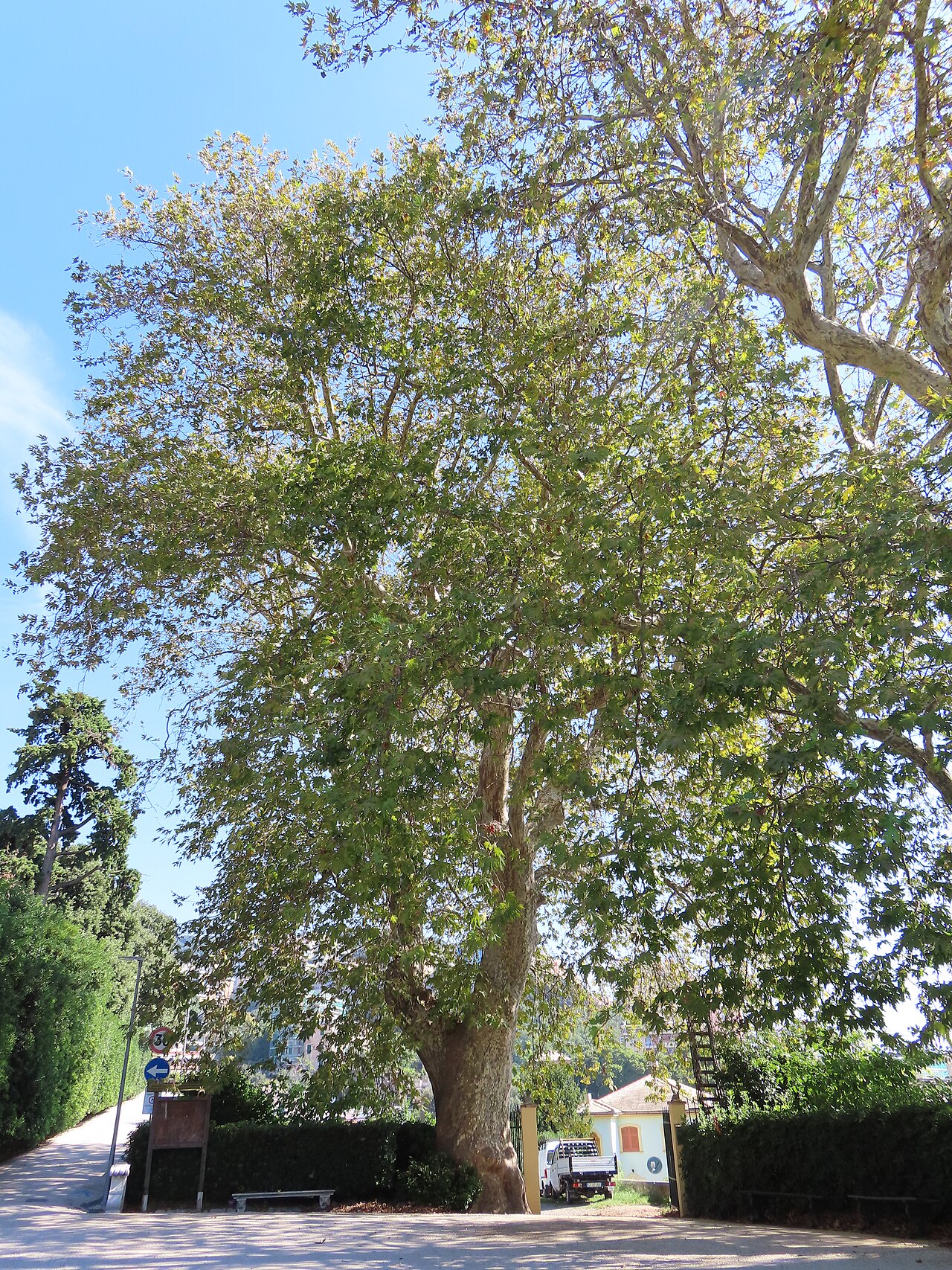 Oriental planeOriental plane · 474 yd
Other information
Photo: Gareth James · CC BY-SA 2.0