What is recorded here
Five metres of pale stone still spans the entrance at Ballyhenebery, leaning outward as if bracing against a centuries-old push. The chamber faces north beside a farm lane, its roofstone resting on doors and portals while a tree has grown through one side. People may have laid dead beneath that broad stone before fields and fences formed around it, but no mound remains visible to mark the gesture.
In rolling farmland that slopes gently to the SW to a tributary stream of the Pill River. The tomb is partly incorporated in a fence on the N side of a lane. The remains comprise a ruined chamber facing N, represented by two portal stones (H 1.7m) and a door-stone; the W portal leans markedly outwards. A single W sidestone, also leaning outwards, stands beside it to the S. Its S end is partly embedded in the trunk of a tree. The large roofstone (L 5m; Wth 3.5m; T 0.7m), rests on the door-stone and E portal. There is no evidence for a surrounding cairn or mound. It may be concealed beneath the field clearance that has been dumped on either side of the monument. (Borlase 1897, vol. 2, 408, Iverk no. 5; Carrigan 1905, 247; Powell 1941, 22, no. 27; Ó Nualláin 1983, 98, no. 7)
Compiled by: Paul Walsh
Date of upload: 10 May 2021
Portal tomb, dating to the Neolithic period (c. 4000–2500 BCE). These tombs are significant as early communal burial monuments, reflecting the social and ritual practices of prehistoric farming communities in Ireland.
The monument record does not grant public access. Check the route and ask the landowner before entering private land.
- What survives
- Recorded monument
Places near here
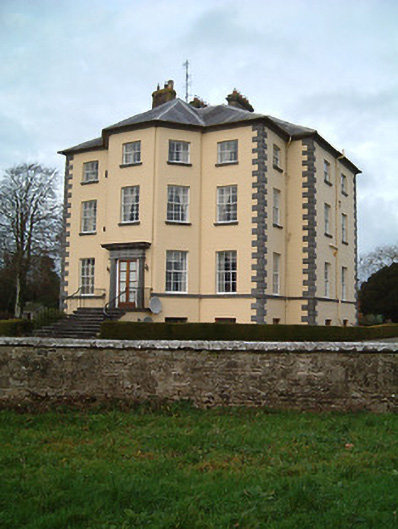 Belline Housecountry house · 1128 yd
 Rogerstown Castle (in Ruins)Castle, tower house · 1319 yd
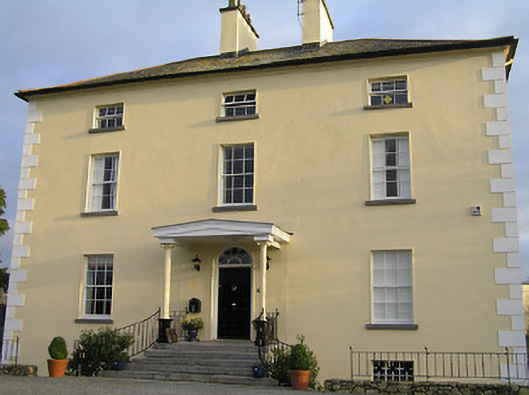 Fanningstown Househouse · 1351 yd
 Ponsonby Memorial TowerMonument · 1.1 mi
 CastleCastle, unclassified · 1.1 mi
 Burns WoodForest · 1.1 mi
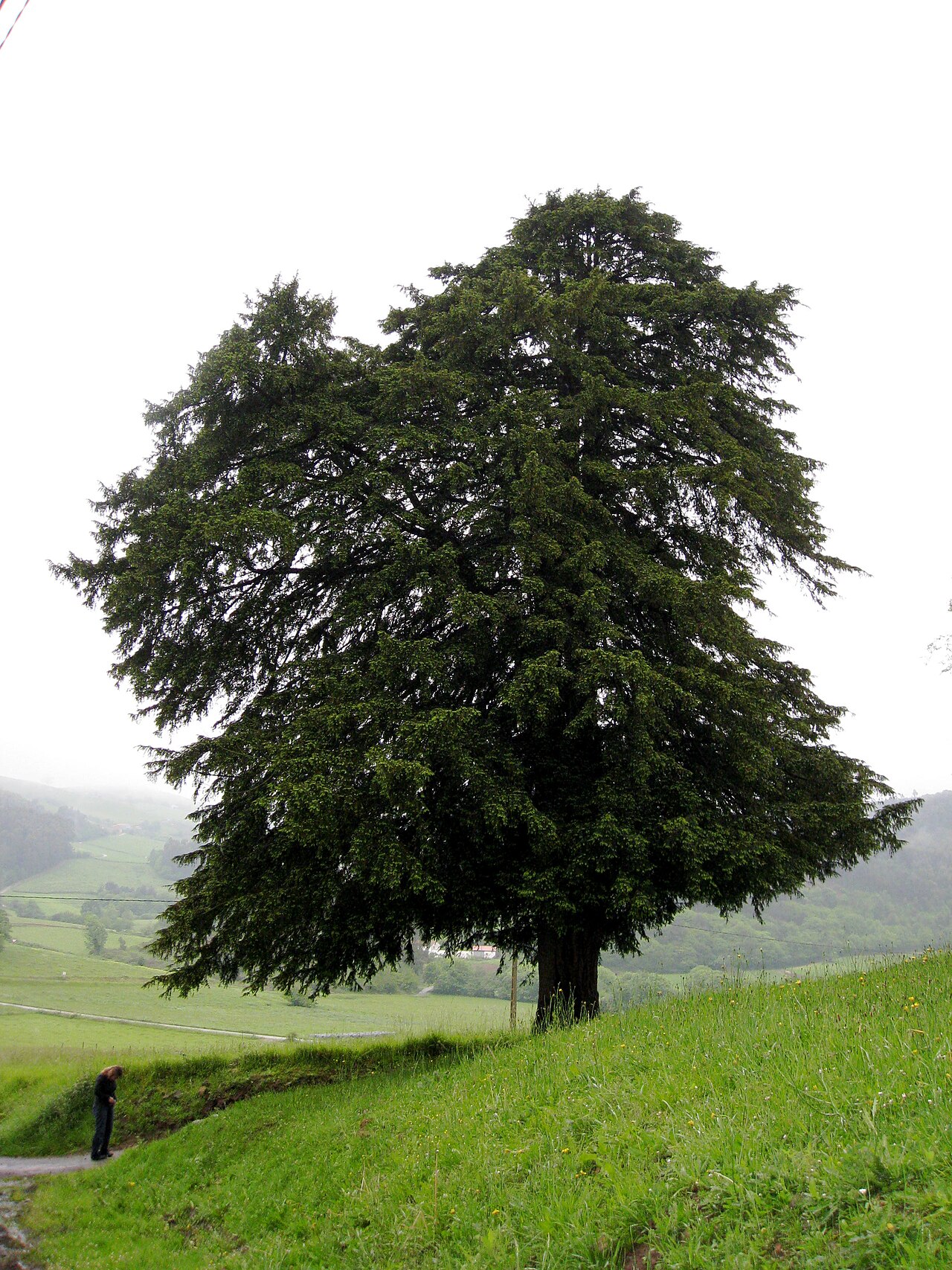 European YewEuropean Yew · 1.3 mi
 ToberunnaHoly well · 1.4 mi
 Kilmainham Church (Site of)Church · 1.4 mi
 St. John's WellSpring · 1.5 mi
 Kilkieran CrossesHeritage attraction · 2.5 mi
 Ormonde CastleHeritage attraction · 3.0 mi