What is recorded here
Knowth Tomb 9 is a cruciform passage chamber dating to 3332-2910 BC. Four adults and two juveniles were cremated in its eastern recess, while two unburned juveniles lay beside them. A first-century adult was later inserted into the northern recess, proving the dead still claimed this place long after the bronze age.
Knowth cemetery, Tomb 9:Located c. 20m NW of the great mound, Tomb 1C.This is the remains of a mound(surviving dims 11.9m N-S; 10.8m E-W; max. H 0.4m) of redeposited boulder clay with some overlying shale, but there are no surviving kerbstones. There are 28 orthostat sockets representing a cruciform passage tomb (total L 6.8m plus) opening to the E. There was at least one sillstone between the passage and chamber (int. dims c. 4m x 3.8m) and the old ground surface survived within the kerb. There were two cremation deposits in the end recess representing four adults and two juveniles, but the remains of two unburned juveniles were also present (Buckley et al. 2017, 308-10). Five sherds of Beaker pottery and 15 flints were recovered, mostly from disturbed contexts. A fireplace pre-dating the tomb produced two sherds of Carrowkeel ware. An extended inhumation dating from the first millennium AD was inserted into the N recess (Eogan 2012, 52-3).Two radiocarbon dates of 3083–2903 cal. BC and 3332–2910 cal. BC are reasonably in agreement (Schulting et al. 2017, 354). The mound is partially reconstructed and the open chamber is marked with concrete posts. (Eogan 1984, 53-8, Site 9; 1986, 69-70)
The above description is derived from the published 'Archaeological Inventory of County Meath' (Dublin: Stationery Office, 1987). In certain instances the entries have been revised and updated in the light of recent research.
Date of upload: 10 July 2007
Amended: 16 September 2020
See the attached plans:
_1 Cemetery plan from Knowth 6, Fig. 2:1
_2 Tomb plan from Knowth 1, Fig. 28
Passage tomb in Knowth is a Neolithic passage tomb, dating to approximately 3300–2500 BCE. It is part of the larger Knowth cemetery and represents an important component of the early megalithic tradition in Ireland, reflecting complex funerary and ritual practices of the period.
The monument record does not grant public access. Check the route and ask the landowner before entering private land.
- What survives
- Recorded monument
Places near here
 Enclosure in KnowthEnclosure · 75 yd
 MoatPassage tomb · 77 yd
 KnowthArchaeological place · 78 yd
 Knowth Timber CircleHeritage attraction · 138 yd
 Knowth Fox CovertWood · 397 yd
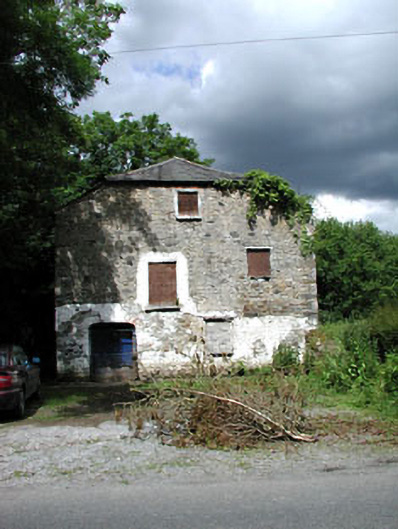 Mill Housemill (water) · 1708 yd
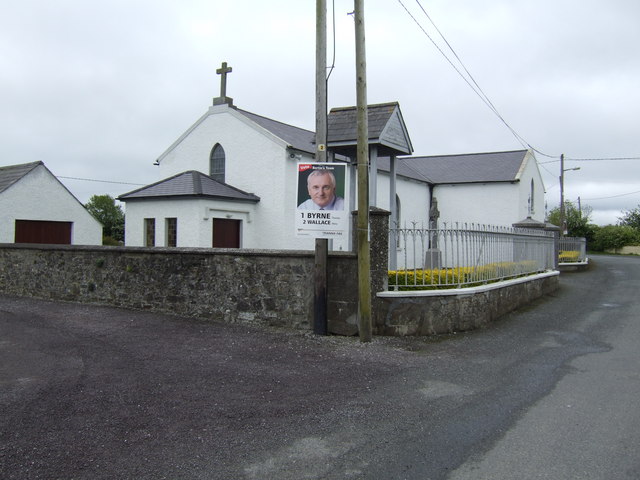 Catholic Church of the Nativity of Our Ladychurch/chapel · 1.1 mi
 Brú na Bóinne Visitors CentreVisitor information · 1.8 mi
 Dowth CastleCastle, tower house · 1.9 mi
 Fennor CastleCastle · 1.9 mi
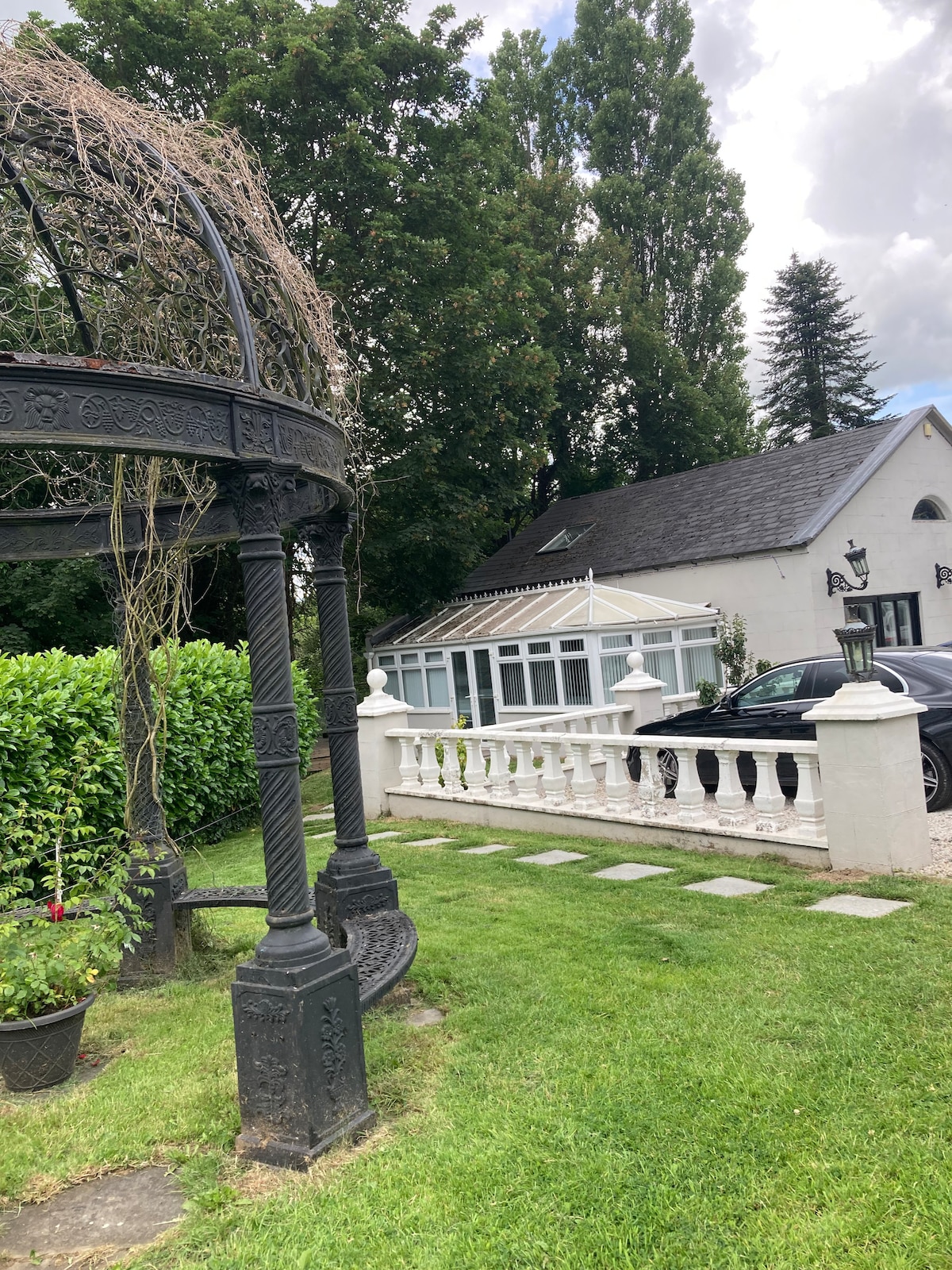 RiverviewMemorial · 2.0 mi
 Little WoodForest · 2.2 mi