What is recorded here
Passage tomb in Knocknarea South is a passage tomb in Knocknarea South, County Sligo, Ireland. It stands on the summit of Knocknarae Mountain, 60 metres south of Maeve’s Cairn and 18 metres south of another possible passage tomb. Scant remains survive as a loose cluster of twelve gneiss boulders with one upright stone, described by Wood-Martin in 1888 as a ruined circle of eight stones and four cist stones. The site is a National Monument in state ownership, and may have been disturbed in the early 1800s by Richard Chamber Walker.
On the summit of Knocknarae Mountain, located 60m S of a large passage tomb, known as Maeve’s Cairn (MA014-076003-), and 18m to S of a possible passage tomb (MA014-076005-). There are two cairns (MA014-076008-; MA014-076008-) located 8m to SSW and 30m to SE respectively.
There are scant remains of this possible passage tomb. It was described by Wood-Martin (1888, 111) as ‘…a ruined circle, of which eight stones only, and four of the cist, now remain…’. It is evident now as a loose, irregular cluster of twelve gneiss boulders, with only one boulder set upright (H 0.7m). It may have been disturbed in the early 1800’s by Richard Chamber Walker, a local landowner and antiquarian. (Bergh 1995, 241). This is a National Monument (No. 153) in state ownership.
Attached image:
SL014-076007-_01 Viewed from S
Compiled by: Jane O’Shaughnessy
Date of upload: 6 April 2020
Passage tomb, dating to the Neolithic period (c. 3500–2500 BCE), associated with early ceremonial and burial practices in the region. Its proximity to Maeve’s Cairn suggests it may be part of a larger ritual landscape linked to the Cú Chulainn and Queen Maeve legends of the Boyne Valley area.
The monument record does not grant public access. Check the route and ask the landowner before entering private land.
- What survives
- Recorded monument
Places near here
 Passage tombArchaeological place · 39 yd
 Miosgan MevaPassage tomb · 101 yd
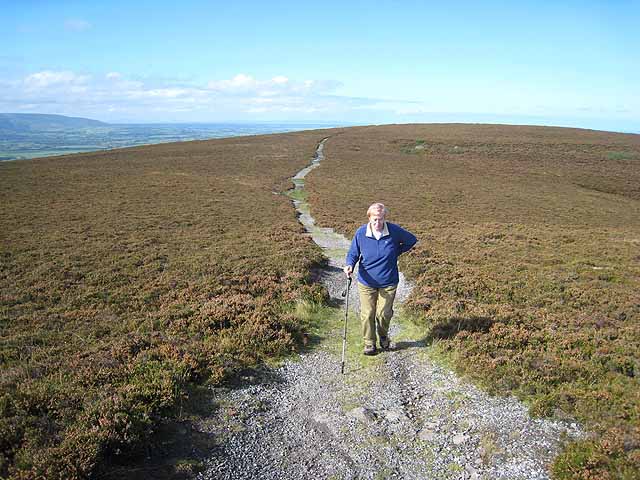 KnocknareaMountain / peak · 103 yd
 Knocknarea trailWalking route · 534 yd
 Herdsman’s HutRuins · 982 yd
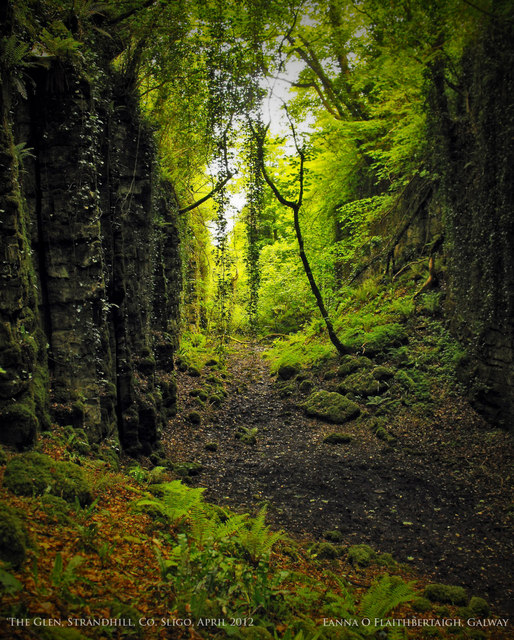 The GlenWood · 1339 yd
 Castle (in Ruins)Castle, unclassified · 1461 yd
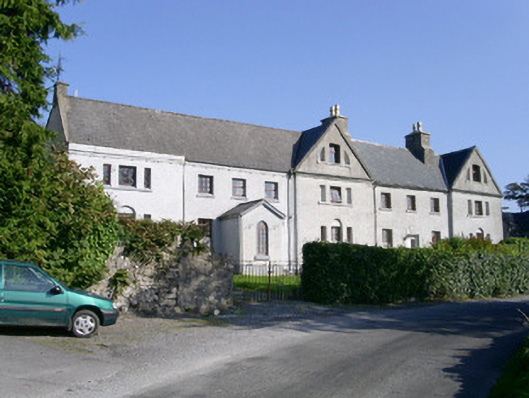 Primrosegrange Houseschool · 1599 yd
 CulleenamoreBeach / strand · 1.4 mi
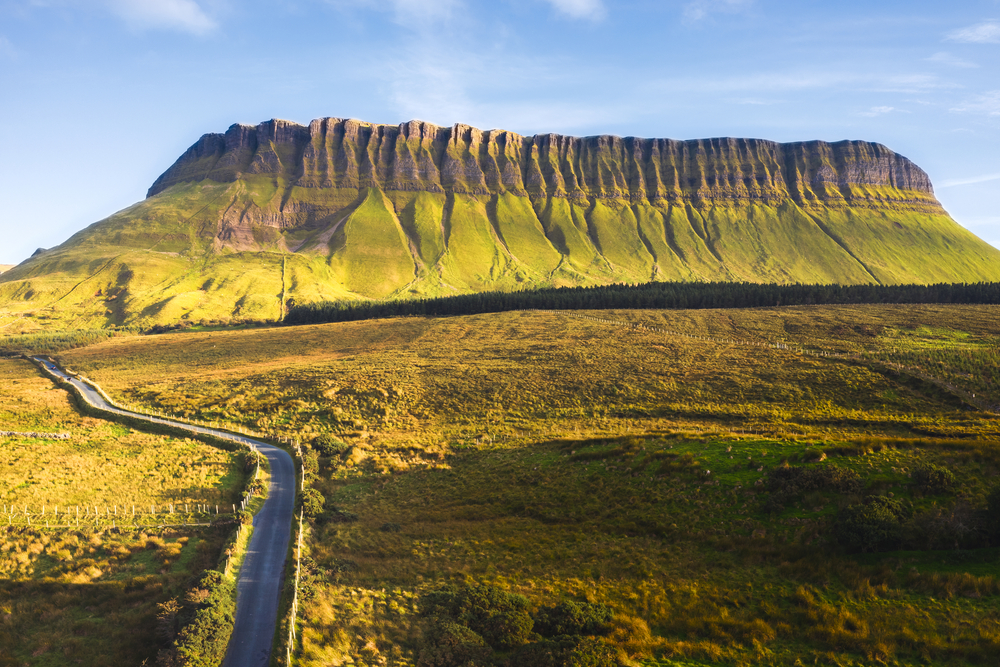 SuperHeritage attraction · 1.5 mi
 Doonanpatrick IslandIslet · 2.0 mi
 Killaspugbrone GraveyardRuins · 2.1 mi