What is recorded here
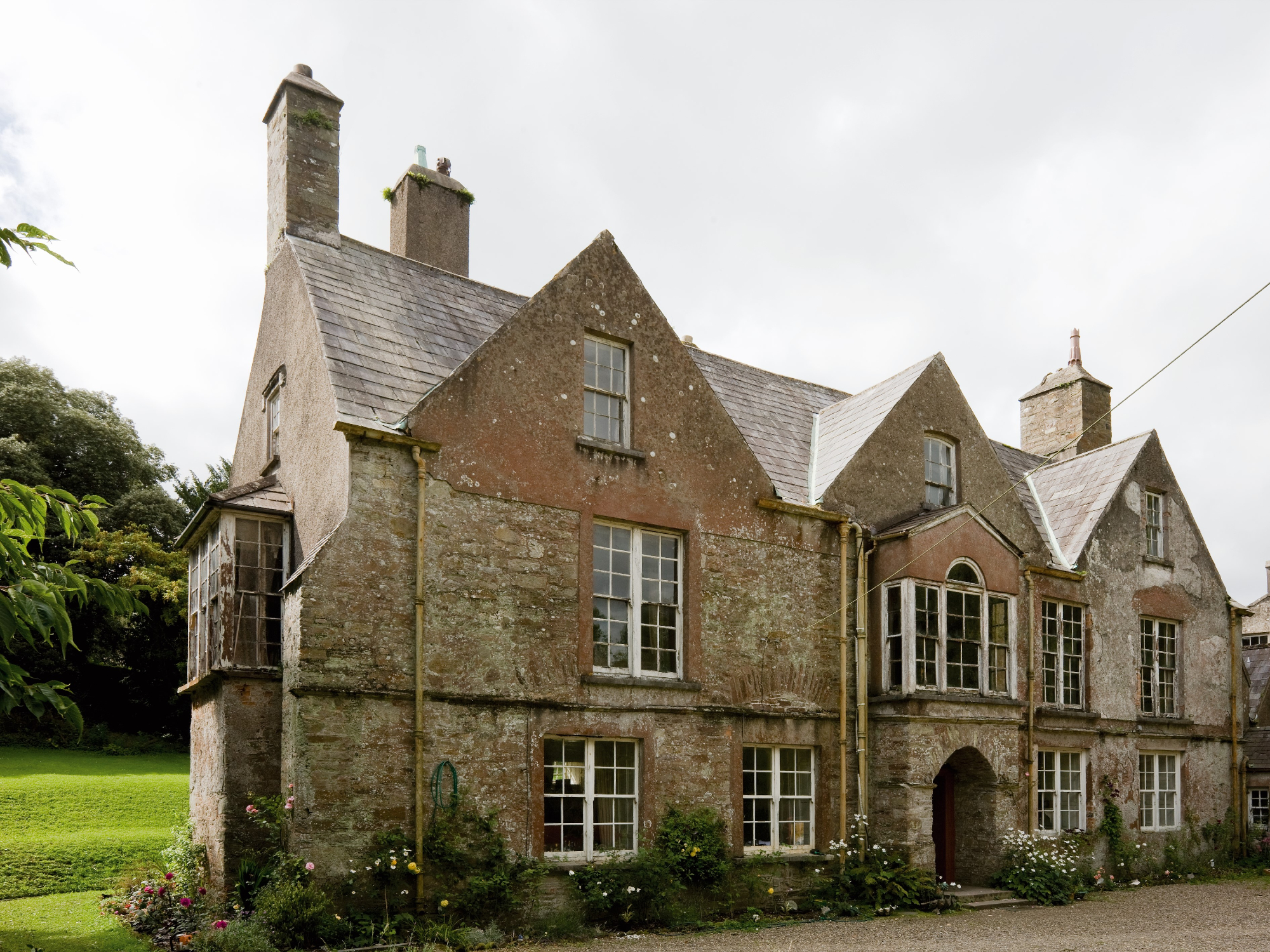
Detached triple-gabled six-bay three-storey house, built c. 1550, having porch-oriel to front and dormer windows to rear. Oriel window to south elevation. Pitched slate roof with rendered chimneystacks. Roughcast render over rubble sandstone masonry walls. Rendered pediment to oriel over porch. Square-headed openings having sash windows to gables, second floor, and bipartite sash windows to first and ground floors. Round-headed opening to oriel over porch flanked by four-over-four pane timber sliding sash windows. Oriel window to south having six-over-six pane timber sliding sash windows. Round-headed window to rear with spoked fanlight. Round-headed door opening to porch. Two-storey outbuilding to south having oriel window to south elevation. Pitched slate roof with weather vane and rendered chimneystacks. Roughcast render over rubble sandstone masonry walls. Square-headed openings having casement windows. Casement windows and metal roof to oriel. Pair of square-profile rendered piers with double leaf timber gates and pedestrian entrance to west.
Traditionally the home of Sir Walter Raleigh, a former Mayor of Youghal, this house is a rare example of an unfortified sixteenth century Irish house to have survived with much of its original form intact. The house was renovated in the eighteenth and nineteenth centuries yet it retains its original character and some interior features, which may date back to the 1580s. The building’s Tudor features are characterized by the steep gables and tall chimneys. There are many legends associated with the house, it is purported that the first potatoes in Ireland were planted in the gardens of Myrtle Grove, and it is possible that the house witnessed the beginning of tobacco smoking in Ireland. The poet Edmund Spenser, a contemporary of Raleigh's, is said to have been inspired to write the "Faerie Queen" while looking out the window of Myrtle Grove.
This does not grant access. Most recorded buildings are privately owned; view them only from public ground unless the owner allows entry.
Places near here
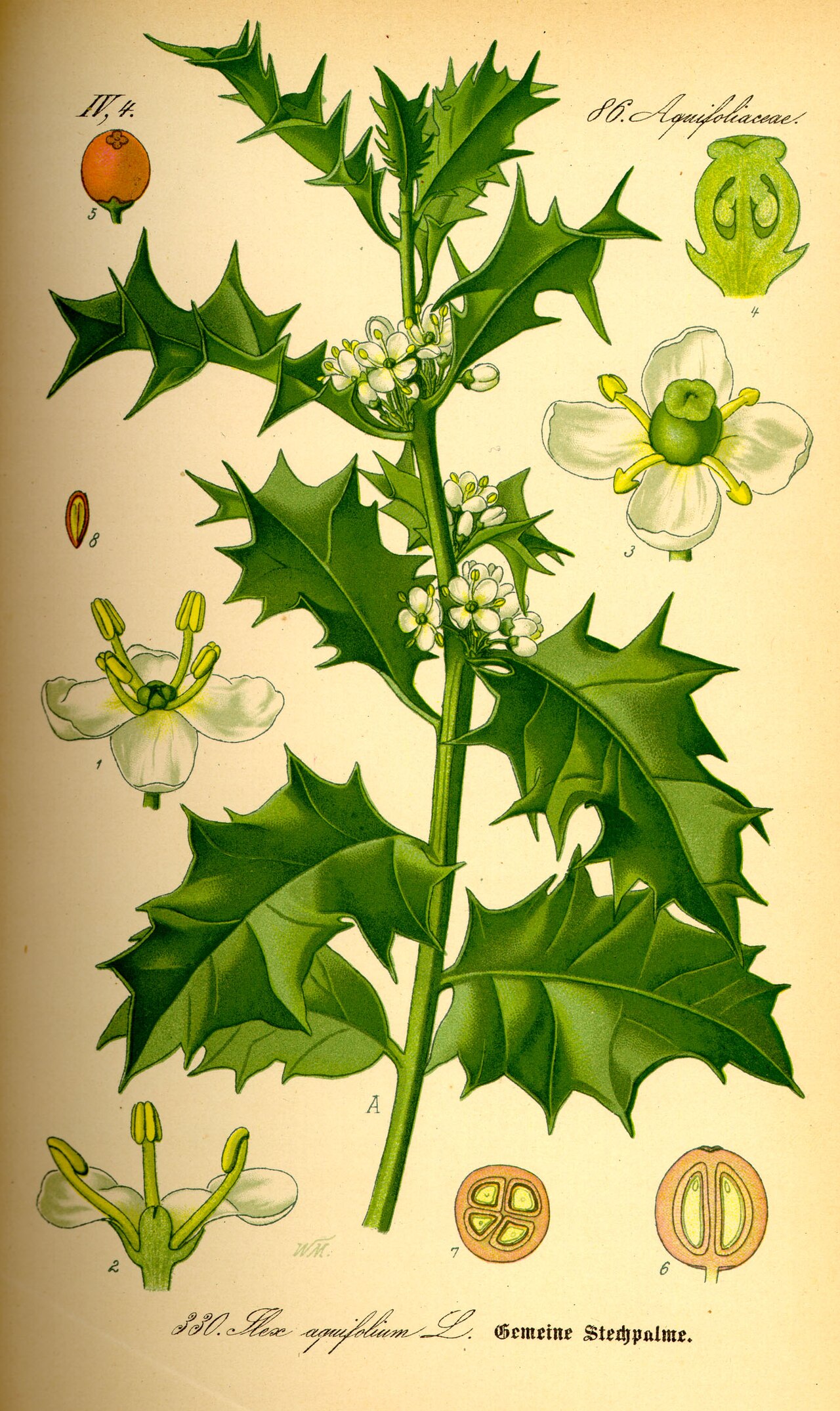 English hollyEnglish holly · 19 yd
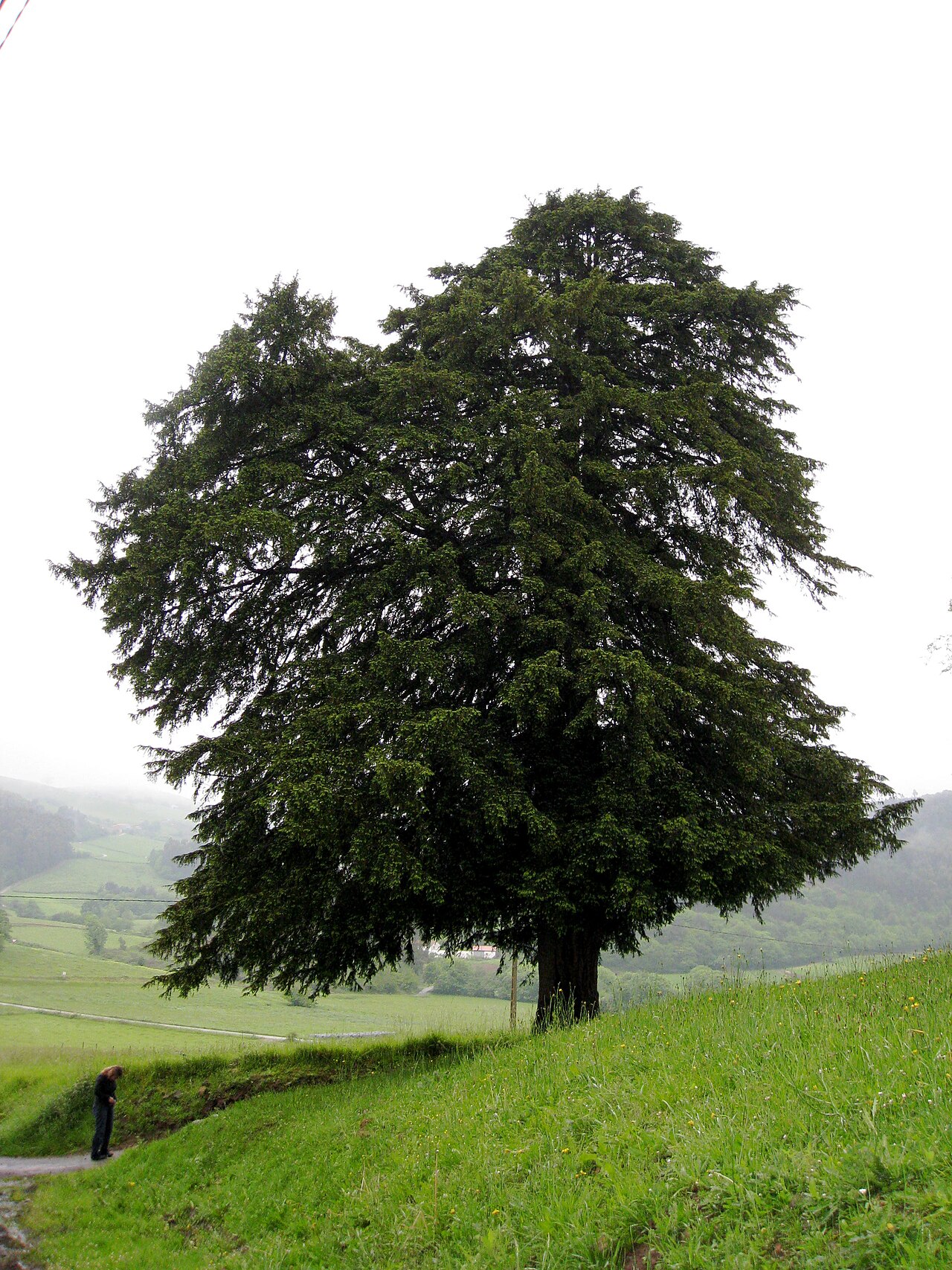 European YewEuropean Yew · 20 yd
 Saint Mary's Collegiate Church (Youghal)church/chapel · 66 yd
 Collegiate Church of Saint MaryHeritage attraction · 68 yd
 The Stablesoutbuilding · 72 yd
 Our Lady's CollegeMemorial · 79 yd
 G YdGraveyard · 134 yd
 Town WallHeritage attraction · 165 yd
 Tynte's CastleCastle · 220 yd
 Emmet PlaceMemorial · 263 yd
 Priory Court Car ParkVisitor information · 276 yd
 CrossCross, Market cross · 308 yd
Other information
Photo: National Inventory of Architectural Heritage · Website use allowed for educational or private purposes with source credit