What is recorded here
Miner's settlement in Ballygown South, Cloonanagh, Garryard East is a miner's settlement in Ballygown South, Cloonanagh, Garryard East, County Tipperary, Ireland. It is a large industrial complex on the north-facing slope of the Silvermines mountain range, extracting sulphur, calamine, lead, silver, copper and zinc since the seventeenth century. The surviving remains include two Cornish engine houses, several industrial buildings and many shafts dating from the nineteenth century.
Situated on the N-facing slope of the Silvermines mountain range with extensive views. A large industrial mining complex consisting of several mines extracting sulphur, calamine, lead, silver, copper and zinc which have been operating since the seventeenth century. Present remains consist of two Cornish engine houses, several industrial buildings and many shafts of nineteenth century date. Gleeson (1937, 102-4) suggests that the thirteenth-century historical references to mining in Tipperary were references to the Silvermines. Gleeson also suggests that a petition from the miners in Ireland to the Treasurer and Barons of the exchequer in Ireland dated AD 1303 were from the mines located in the parish of Kilmore (ibid., 104-5). More recently however Cowman argues that these references do not mention any specific location and could refer to any mines in the county of Tipperary (Cowman 1988, 96-7). The first specific reference to mining in the Silvermines is in 1631 when Messrs Whitmore and Webb were granted mining rights at Knockaunderrick (Silvermines) (ibid., 97). In the Civil Survey there is a reference to the 'silver mines of Knockan Idirke' which is located in the townlands of Ballygowen and Erenagh (Simington 1934, vol. 2, 244). It is possible that there was mining here from the prehistoric period up until the twentieth century although evidence for prehistoric mining has yet to be discovered. On the N-facing slope of the hill once known as Knockaunderrick near the destroyed castle of Dunally (TN026-058001) there is evidence of an early mine which may be seventeenth-century in date with possible evidence of a miners settlement 500m to the N in the form of grass-covered wall-footings (TN026-089/090). A cliff-face has been quarried into and a large spoil heap with evidence of copper ore is located outside the entrance. The entrance to the mine was waterlogged at time of visit. This could be the remains of the 'Royal mines of Dunaille or Knockanderry' mentioned in a patent issued by King Charles I (Gleeson 1937, 107). The present village of Silvermines appears to date from the late 18th early 19th century with no evidence of any dwellings pre 1700 in the Village. The modern mining works to the S of the village may have been located on the site of the earlier mines or they may have been situated somewhere else within the mountains overlooking the village.
The above description is derived from 'The Archaeological Inventory of County Tipperary. Vol. 1 - North Tipperary' compiled by Jean Farrelly and Caimin O'Brien (Dublin: Stationery Office, 2002). In certain instances the entries have been revised and updated in the light of recent research.
Date of upload/revision: 22 September 2008
The monument record does not grant public access. Check the route and ask the landowner before entering private land.
- What survives
- Recorded monument
Places near here
 The MinerMemorial · 417 yd
 FatimaOfficially recorded historic building · 453 yd
 Our Lady Assumed into HeavenMemorial · 455 yd
 T. Ó Ciardhahouse · 470 yd
 KillelaneFairy fort / earthen ringfort · 1061 yd
 Dunalley Castle (in ruins)Castle, unclassified · 1284 yd
 Site of Ballygown CastleCastle, unclassified · 1380 yd
 Kilmore Church (in Ruins), Grave Yd.Graveyard · 1.1 mi
 Silvermines ViewpointViewpoint · 1.1 mi
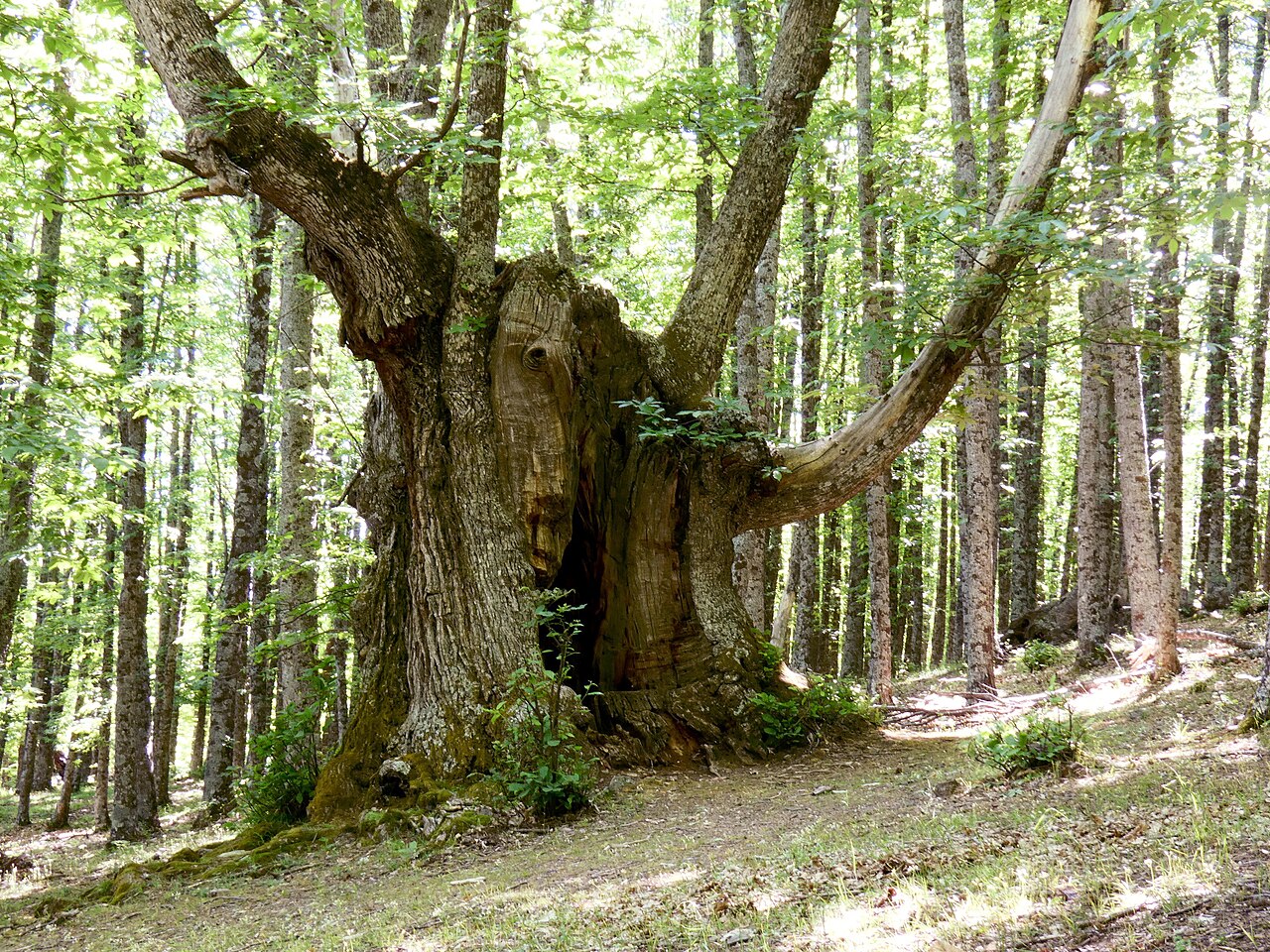 Sweet ChestnutSweet Chestnut · 1.2 mi
 Silvermine Mountains E TopMountain / peak · 1.4 mi
 Silvermine Mountains W TopMountain / peak · 1.6 mi