
What is recorded here
Detached two-bay two-storey corn mill with loft floor and having double kiln to east, built c.1850, aligned north-south on east bank of river. Pitched natural slate roof to mill, gabled to north and south. Random rubble walls, with advanced brick eaves. Metal plaque affixed to crown of second floor door reads 'DESIGNED & ERECTED BY PORTADOWN FOUNDRY CO., PORTADOWN, IRELAND'. Turbine to north gable. Square-headed window openings to west elevation, with stone jambs. Round-headed loading door opening to second floor of south elevation with brick voussoirs, camber-headed red brick arched door opening to first floor, and brick segmental-arch door opening to ground floor, all boarded up. Pitched recently replaced corrugated-iron roof to kiln to east, having random rubble walls and square-headed window openings. Head race to north, infilled.
Although disused since the late nineteenth century, this is a good example of a medium-sized mill, formerly part of a larger early nineteenth-century mill complex, comprising a flax and corn mill. The mill took advantage of its hillside location and the fall of water to power a mill wheel, which, in turn, would have powered the mechanism to grind corn. The site maintains some physical remnants of its former use, such as an infilled head race to the north as well as traces features and fittings to the structure itself. The visually pleasing contrast of red brick and rubble stone elements in the walls coupled with the overall mass and height of the complex, make this mill building a significant historic element in the landscape. A corn mill and a flax mill are both named on the 1859 Griffith Valuation map and were disused on the 1908 Ordnance Survey map. The corn mill is recorded in the 1861 Griffith Valuation as 'corn mill, offices;, belonging to Andrew McBirney and rated at £40. The mill was refitted for animal feed milling by Portadown Foundry in the 1900s and was in use until the 1970s. The corn mill and nearby and flax mill played a key role in the economic prosperity of the area, in particular as food processing sites during and after the Great Famine. The building also serves as a reminder of past industrial processes and represents an integral element of the industrial heritage of predominantly agricultural rural Monaghan, which had a high proportion of grain and flax mills.
This does not grant access. Most recorded buildings are privately owned; view them only from public ground unless the owner allows entry.
Places near here
 Frankford Presbyterian Churchchurch/chapel · 741 yd
 Frankford Bridgebridge · 824 yd
 Harper's IslandIslet · 1545 yd
 Garmany's IslandIslet · 1.0 mi
 John Francis GreenMemorial · 1.0 mi
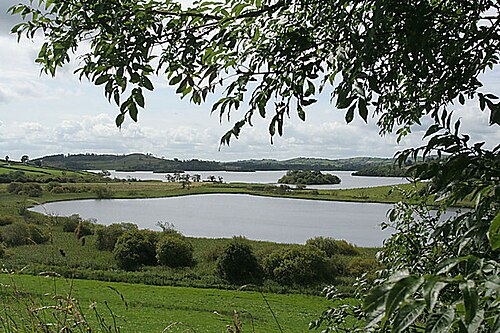 Lough MucknoLake and park landscape · 1.4 mi
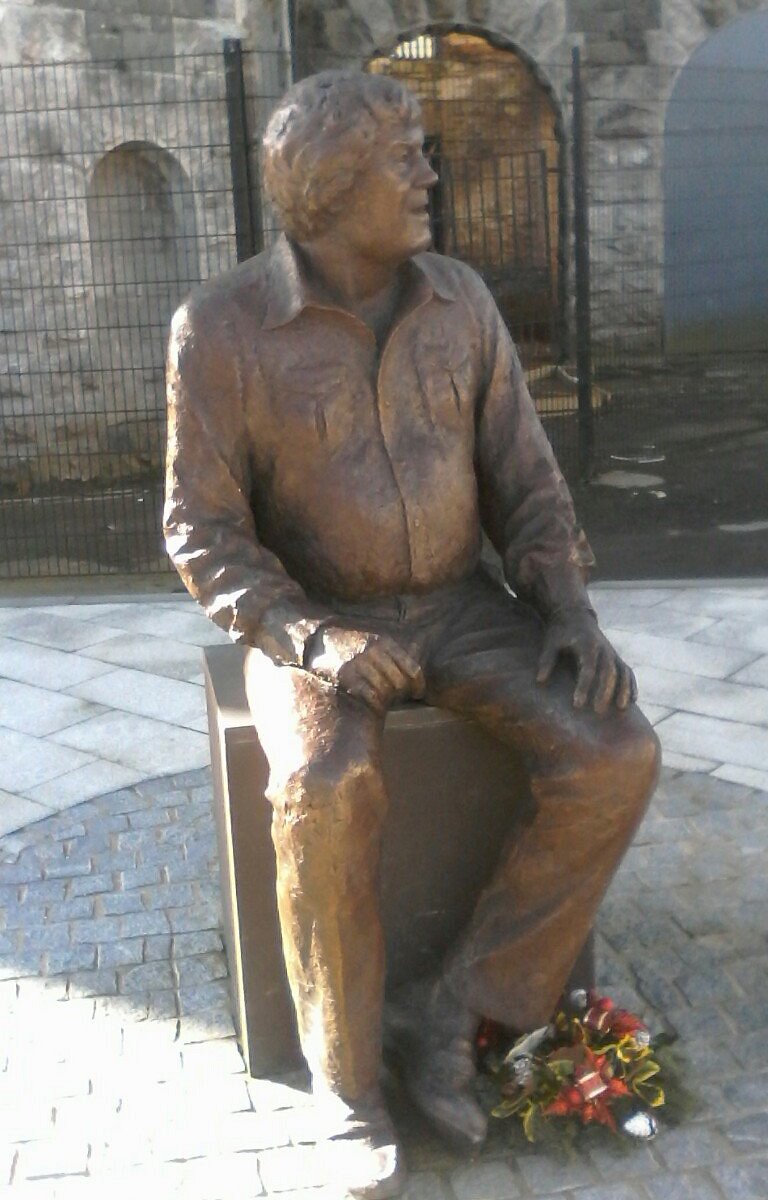 Big Tom Memorial StatueMemorial · 1.5 mi
 Blaney CastleCastle · 1.5 mi
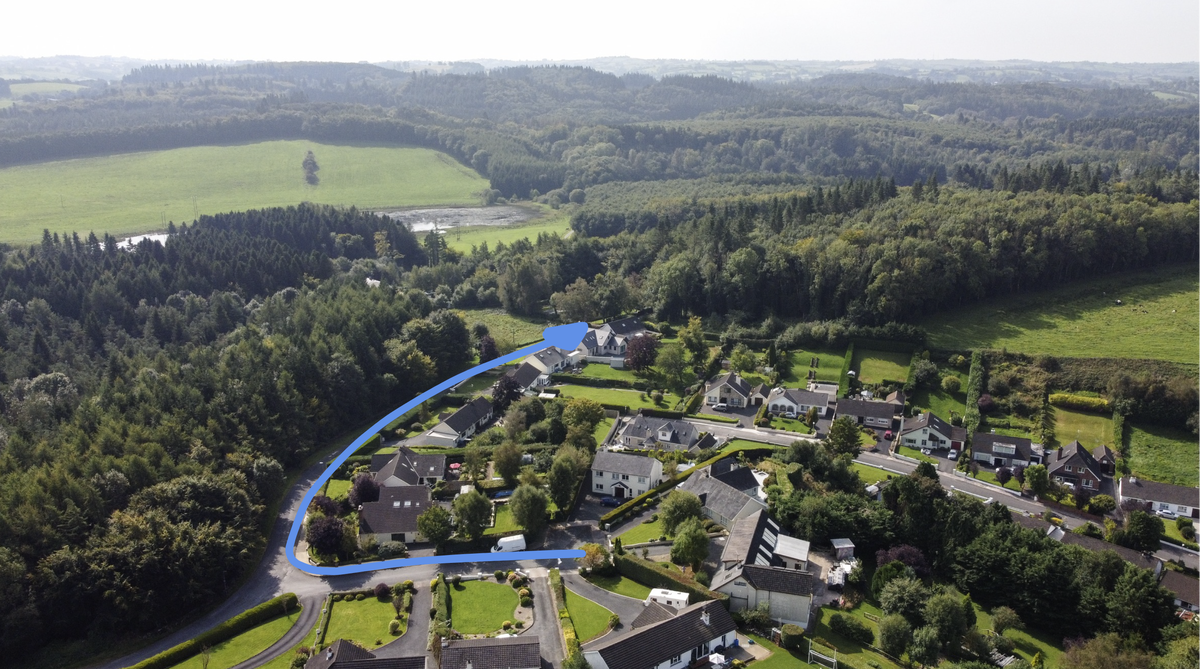 Bawn in OnomyBawn · 1.5 mi
 Dairy HillMountain / peak · 1.8 mi
 Fortification in ConcraFortification · 2.1 mi
 Fulacht fia in GrigFulacht fia · 2.4 mi
Other information
Photo: National Inventory of Architectural Heritage · Website use allowed for educational or private purposes with source credit