What is recorded here
Man-made underground passage in Cush: Two long compartments joined by a narrow throat, with a tiny cut vent near the floor, lay hidden in the north-east of a bivallate ringfort until Ó Ríordáin uncovered them during the 1934-5 excavation. The vent was too small and sloped the wrong way for entry or drainage, suggesting another purpose now lost. Above the passage, reddish sand and clay carried traces of a cremation fire and a cordoned urn, linking the hidden chamber to rites as much as to daily life.
Man-made underground passage in NE quadrant of bivallate ringfort (LI048-034016-) excavated by Ó Ríordáin (1940, 128-132) between 1934-5. Man-made underground passage described by Ó Ríordáin (1940, 113) as follows; 'In dealing with the various evidences of habitation of the fort a sequence of events was suggested. It is difficult to be sure what is the chronological relationship between the houses and the Man-made underground passage which was uncovered on the north-east of the fort. It seems likely that the Man-made underground passage was earlier than the wooden houses represented by the dark bands of charcoal. That the Man-made underground passage was, however, certainly earlier than at least one of the burials (Burial No. 1 [LI048-034017-]) is shown by the fact that the Man-made underground passage was partly filled with and covered by the reddish layer of sand and clay, upon which lay the bed of charcoal which evidently represented the remains for the fire used for cremation purposes and in which lay the cordoned urn Burial No. 1 [LI048-034017-].
The structure of the Man-made underground passage was different from that of the other examples discovered during the excavation in being composed of two long compartments connected by a narrow passage somewhat over 2 feet [0.6m] in length and having an effective breadth of 1 foot and 8 inches [0.5m] and a height of about 2 feet [0.6m]. The southern compartment of the Man-made underground passage had a length of 10 feet [3.04m] and a breadth of 3½ feet [1.06m]. At the north-eastern corner was a passage through the wall formed by the omission of stones at the floor of the structure so as to leave an opening 11 inches [0.27m] in width and 1 foot 3 inches [0.37m] in height. This could not have been used as an entrance or exist passage because not only is the opening extremely small but outside it is the solid rock cut back to some extent but not sufficiently to allow of the opening being used as a means of entrance and exit. It is therefore evident that we have to do with another such vent as has been mentioned in the case of several other Man-made underground passages, though in this instance we find the vent near the floor and not, as in the other examples, near the roof. Because of the way in which the rock was cut so as to slope upwards from the floor level to the outer end of the opening, the latter could not have been used for drainage purposes.’
See attached plans and photos from Ó Ríordáin.
Compiled by: Fiona Rooney
Date of upload: 5 September 2021
The monument record does not grant public access. Check the route and ask the landowner before entering private land.
- What survives
- Recorded monument
Places near here
 Cist in CushCist · 13 yd
 Man-made underground passage in CushMan-made underground passage · 88 yd
 Quarry in CushQuarry · 223 yd
 Bosnetstown Villahouse · 1185 yd
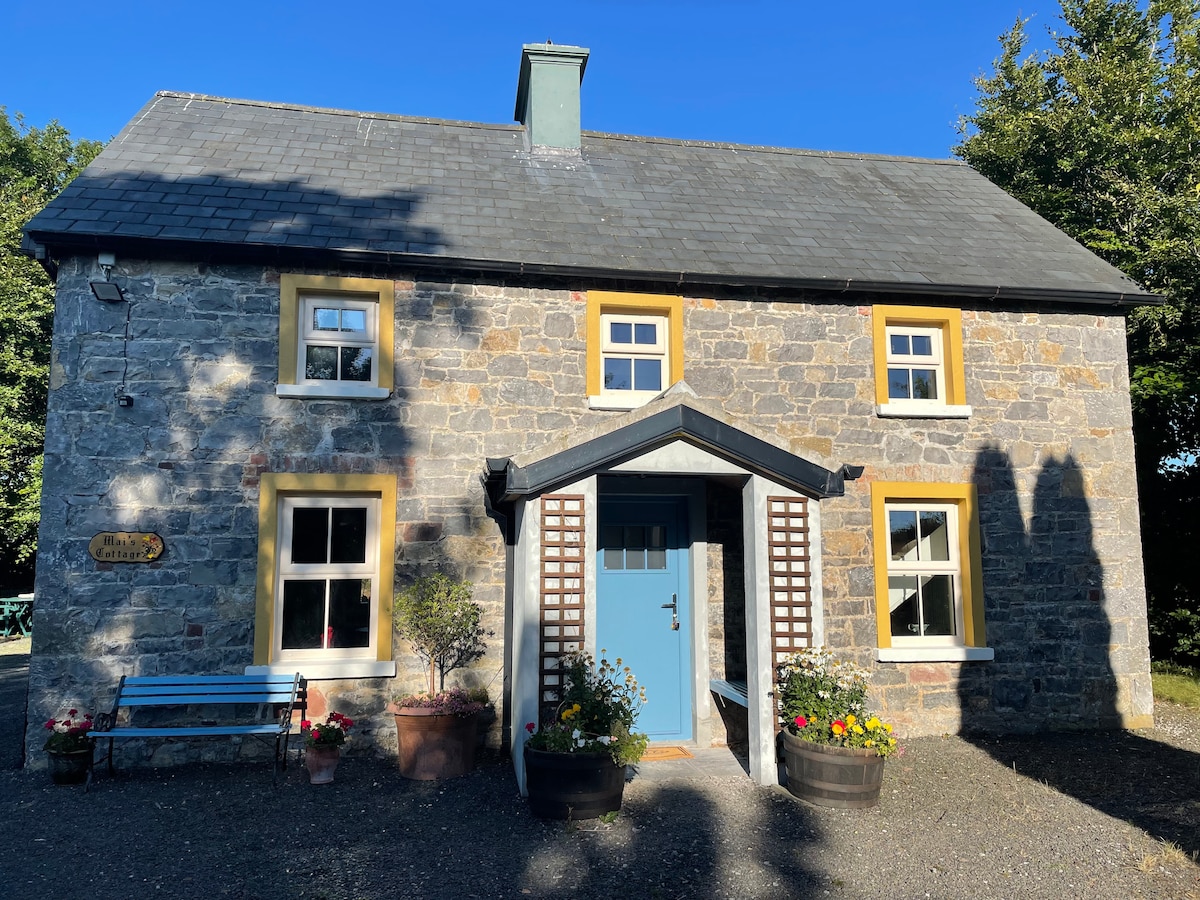 Ballinvreena LoopVisitor information · 1230 yd
 SlievereaghMountain / peak · 1.6 mi
 Palatine's RockNamed rock · 1.6 mi
 Castle (in ruins)Castle, tower house · 1.8 mi
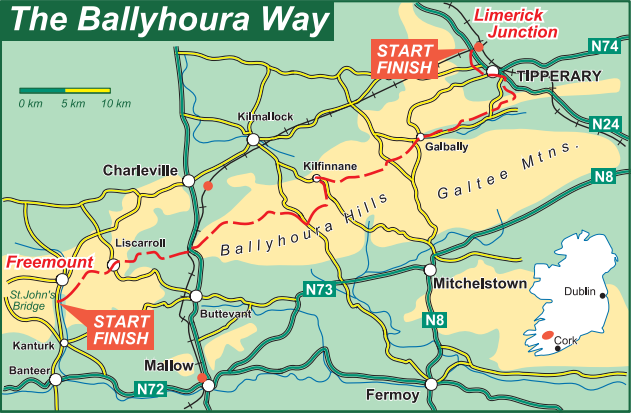 Ballyhoura WayWalking route · 1.9 mi
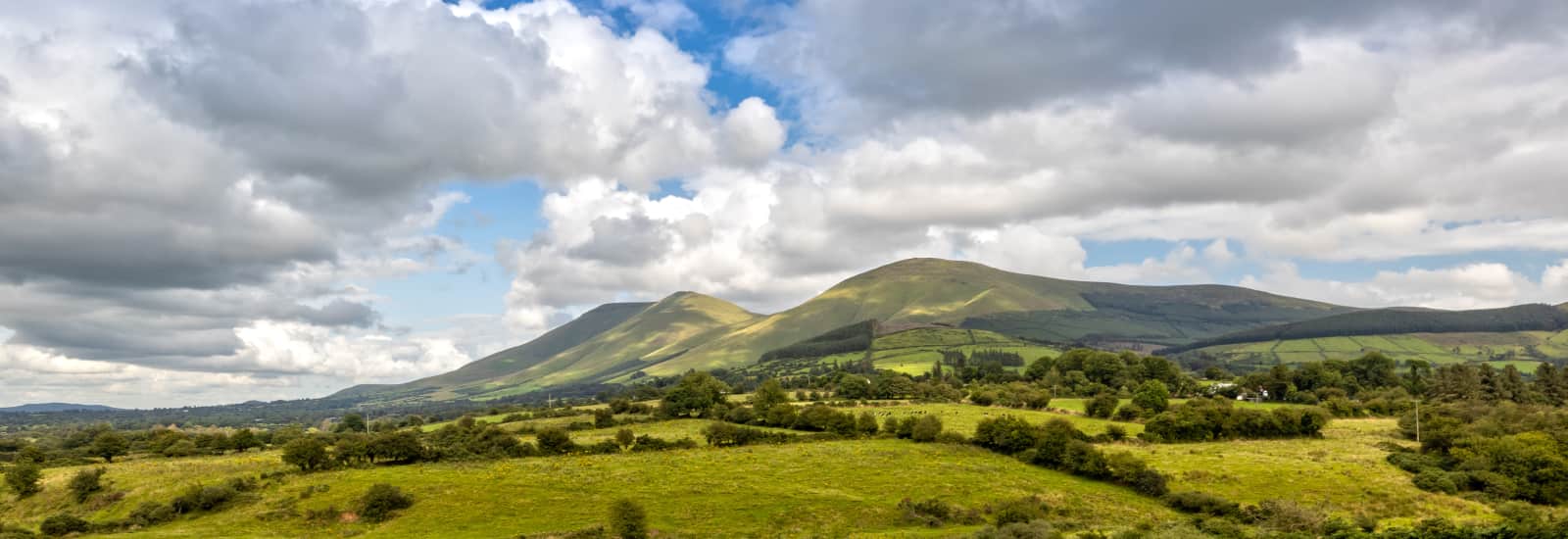 Ballyhoura tourist informationVisitor information · 1.9 mi
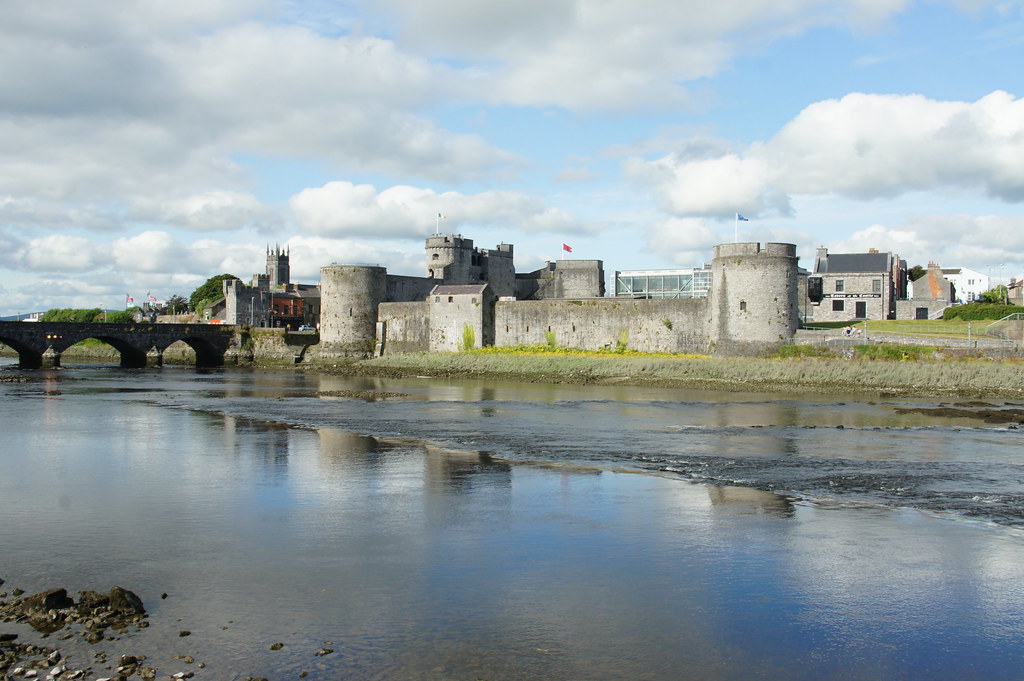 Treada Na Ríogh (The Moat), hachuredCastle, motte · 1.9 mi
 Edmund's WellSpring · 2.2 mi