
What is recorded here
Detached four-bay two-storey railway station, designed 1871; built 1872; opened 1872, on a rectangular plan; three-bay two-storey platform (east) elevation. Occupied, 1901; 1911. Closed, 1964. Renovated, ----, to accommodate alternative use. Hipped slate roof with clay ridge tiles, paired rendered central chimney stacks having chevron- or saw tooth-detailed chamfered capping supporting yellow terracotta pots, and cast-iron rainwater goods on red brick header bond stepped eaves retaining cast-iron downpipes. Red brick English Garden Wall bond walls on red brick header bond chamfered cushion course on plinth with cut-granite flush quoins to corners; replacement artificial slate hung surface finishes (side elevations). Square-headed window openings with cut-granite sills, and red brick voussoirs framing replacement aluminium casement windows replacing one-over-one or two-over-two timber sash windows. Remodelled square-headed central opening to platform (east) elevation. Square-headed window openings with cut-granite sills, and red brick voussoirs framing replacement aluminium casement windows replacing one-over-one or two-over-two timber sash windows. Set in landscaped grounds with cut-granite monolithic piers to perimeter supporting flat iron double gates.
A railway station erected by William Wardropp (d. 1890) of Dublin (Shepherd and Beesley 1998, 22) identified as an integral component of the later nineteenth-century built heritage of County Wexford on account of the connections with the extension of the Dublin, Wicklow and Wexford Railway (DWWR) line opened (1872) by the Dublin, Wicklow and Wexford Railway (DWWR) Company with the architectural value of the composition suggested by such attributes as the compact rectilinear plan form; the construction in a vibrant red brick with silver-grey granite dressings not only demonstrating good quality workmanship, but also producing a lively two-tone palette; and the uniform or near-uniform proportions of the openings on each floor: however, the introduction of replacement fittings to most of the openings has not had a beneficial impact on the external expression or integrity of a railway station making a pleasing, if largely inconspicuous visual statement in a sylvan setting. NOTE: Occupied (1901) by John Murphy (----), 'Railway Station Master' (NA 1901); and (1911) by James McSweeney (----), 'Station Master' (NA 1911).
This does not grant access. Most recorded buildings are privately owned; view them only from public ground unless the owner allows entry.
Places near here
 kilnkiln · 248 yd
 bridgebridge · 341 yd
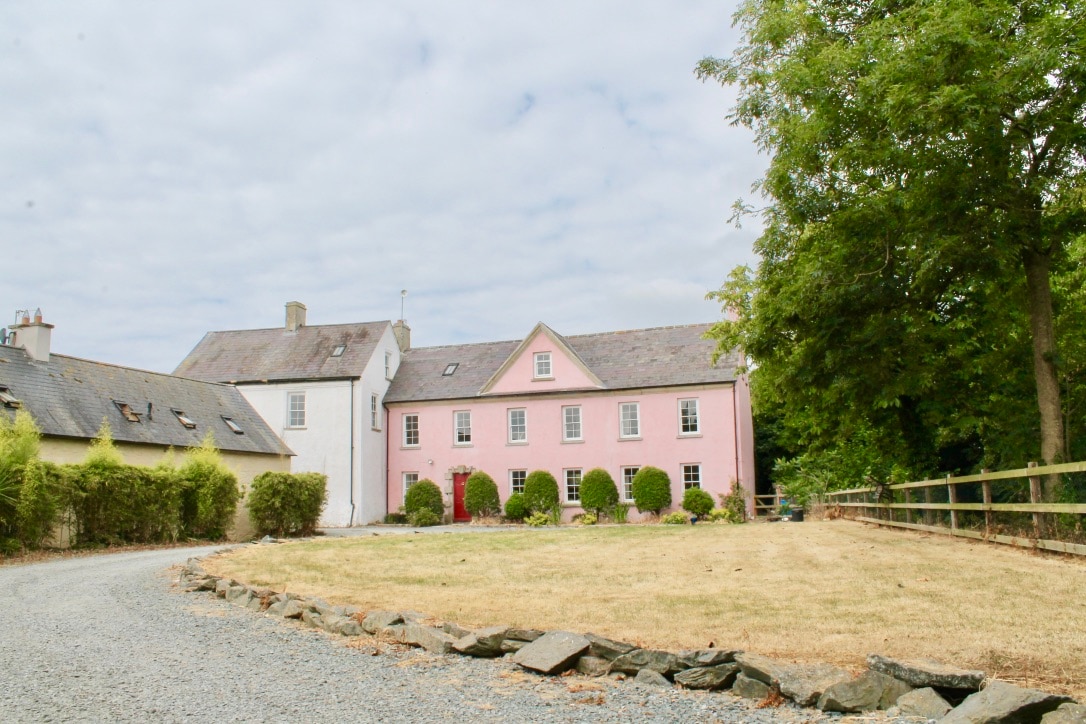 CastleCastle, tower house · 681 yd
 Site of CastleCastle, unclassified · 1272 yd
 St. Laurences WellHoly well · 1375 yd
 Embanked enclosurePromontory fort, inland · 1383 yd
 Celebrating 125 YearsMemorial · 1.0 mi
 Raheennahoon HillMountain / peak · 4.3 mi
 Carrickshinna RockMountain / peak · 4.7 mi
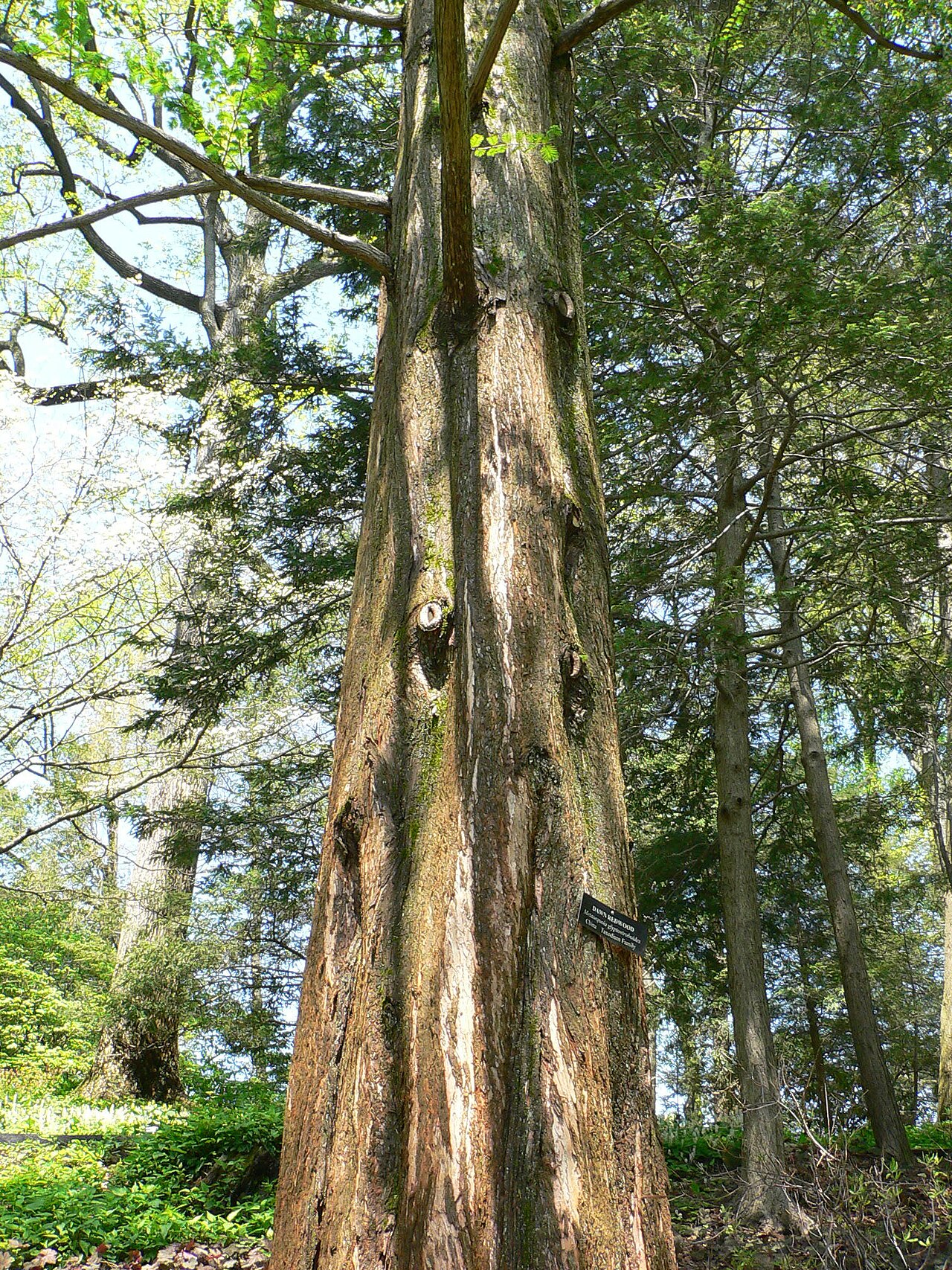 Dawn RedwoodDawn Redwood · 4.8 mi
 Peace GardenMemorial · 5.0 mi
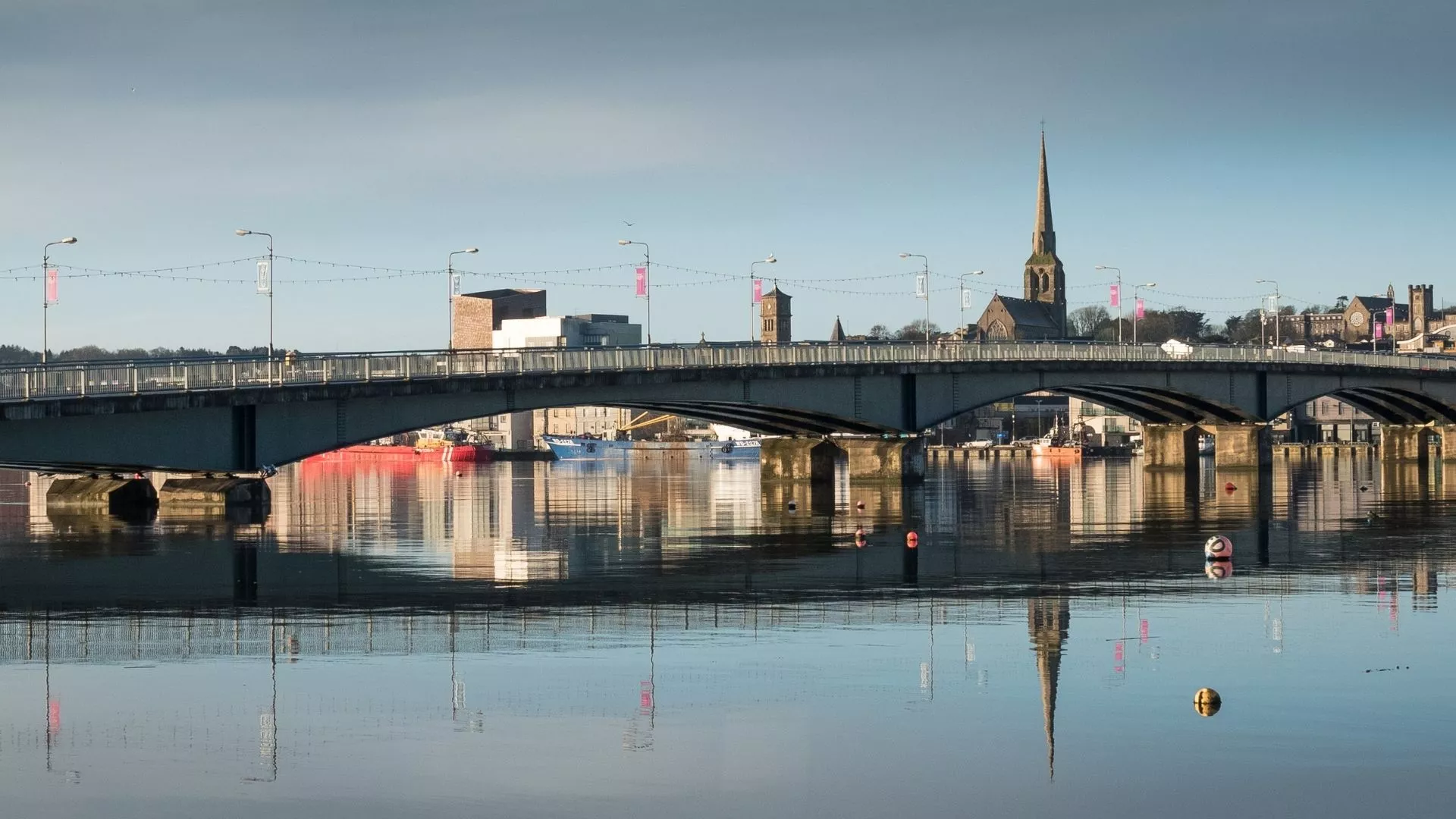 Three Sisters River CruisesHeritage attraction · 5.7 mi
Other information
Photo: National Inventory of Architectural Heritage · Website use allowed for educational or private purposes with source credit