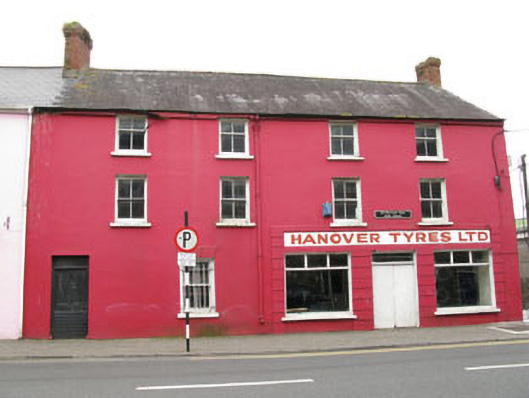
What is recorded here
Corner-sited end-of-terrace five-bay three-storey over basement former house, built c.1820, having shopfront to front (south-east), six-bay single-storey extension, recent single-pitched corrugated-steel awning and renovated warehouse to rear (north-west). Now is use as retail unit and garage. Pitched slate roofs with red brick chimneystacks, rendered eaves course and cast-iron rainwater goods. Rendered walls with exposed rubble stone wall to rear elevation and roughcast rendered walls to side (south-west) elevation of extension. Cast-iron street sign to front elevation. Diminishing square-headed window openings with render sills to front elevation, having raised render keystone motif and wrought-iron window guard to ground floor opening. Square-headed window openings with render sills to rear elevation, having red brick voussoirs and block-and-start surrounds, two-over-two timber sliding sash windows to front and rear elevations. Square-headed window openings with render sills to extension, having replacement timber casement windows and blocked window openings to side (north-east) elevation. Square-headed door opening to front elevation having timber panelled door. Double-leaf timber battened sliding doors to side (north-east) elevation of extension. Channelled render shopfront to front elevation comprising pilasters and recessed frieze with recent timber signage. Square-headed window openings having fixed timber-framed display windows with overlights flanking central doorway. Square-headed door opening having double leaf timber doors (blocked) surmounted by overlight. Concrete block enclosing walls and piers with double-leaf corrugated-iron gates to rear of house.
Set at the end of a terrace of similarly scale buildings, this house makes a notable and imposing addition to the streetscape. It retains many historic features which add to its character. It is thought that the building was used as a British Army barracks in the nineteenth century, later as a meeting place for the Legion of Mary, and by the Reserve Defence Force, the FCA. Apparently during World War II, with its associated fuel shortages, all the cars in Bandon (less than ten) were kept in the rear block.
This does not grant access. Most recorded buildings are privately owned; view them only from public ground unless the owner allows entry.
Places near here
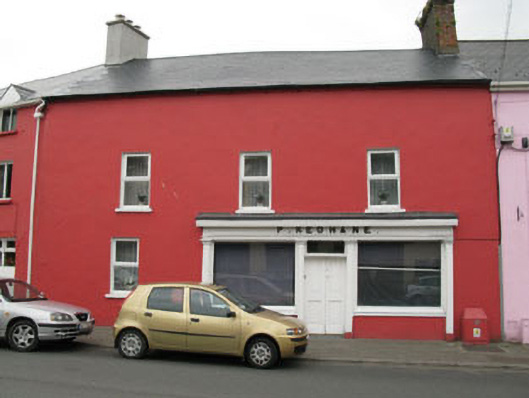 P. Keohanehouse · 28 yd
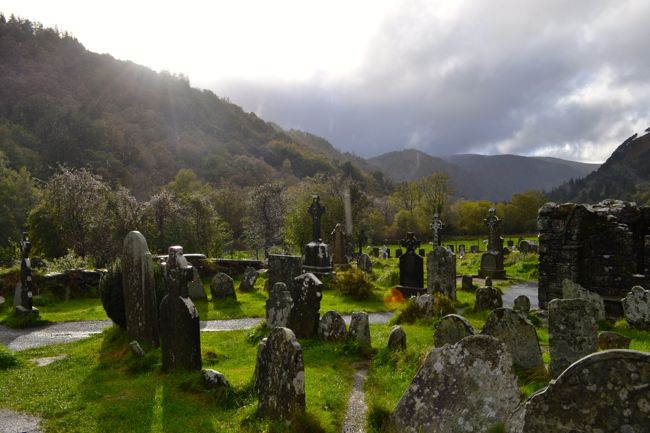 Graveyard in GullyGraveyard · 106 yd
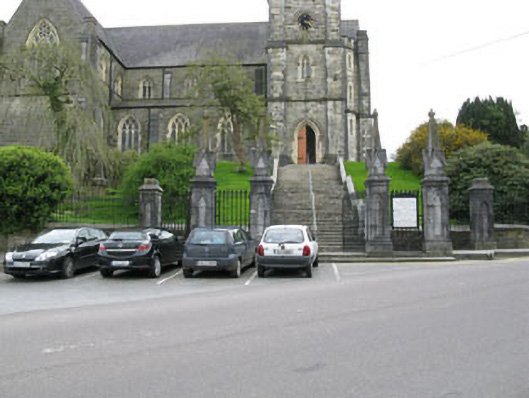 Saint Peter's Church (Ballymodan)gates/railings/walls · 128 yd
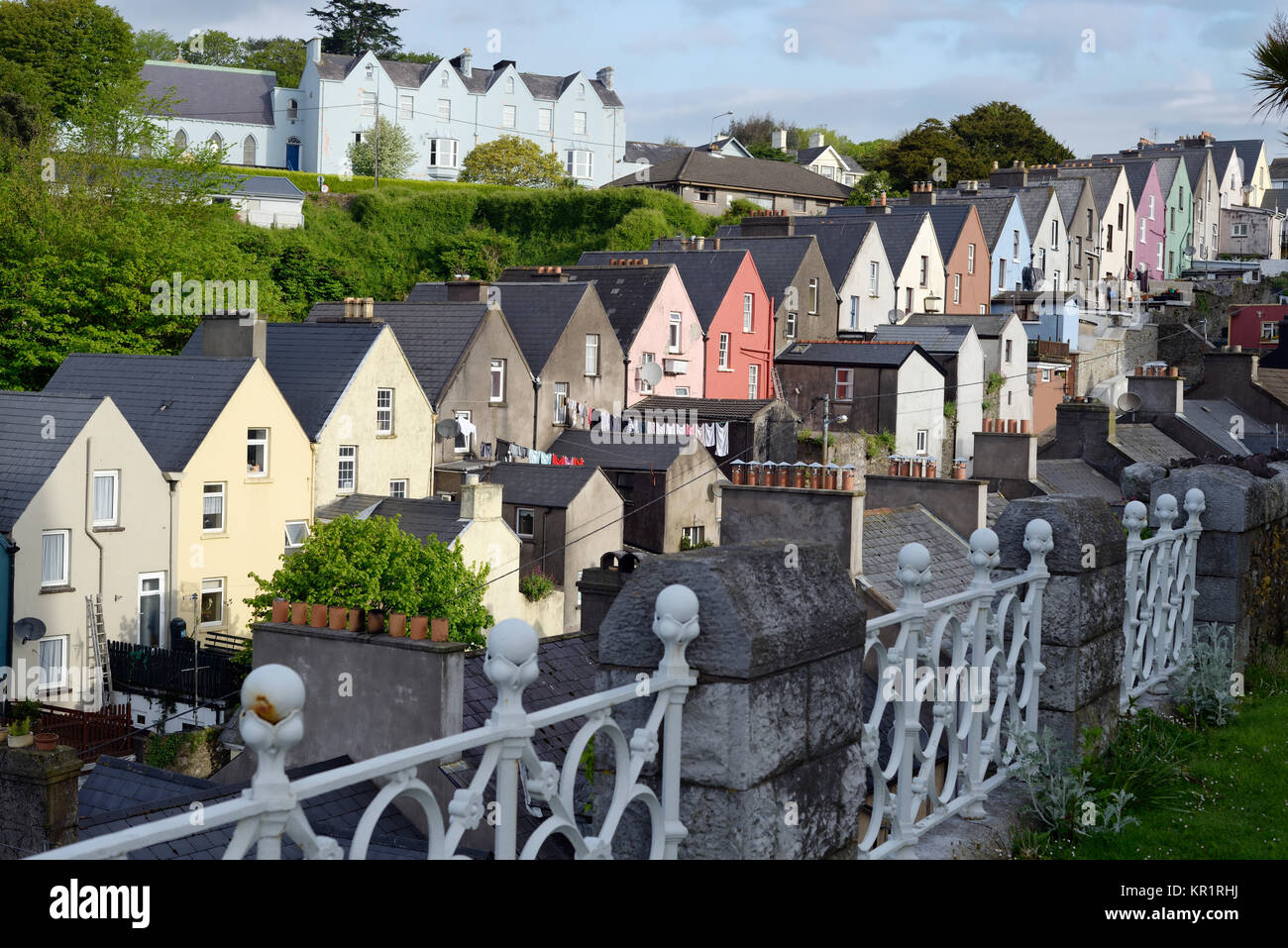 Town defences in GullyTown defences · 255 yd
 Burial ground in GullyBurial ground · 393 yd
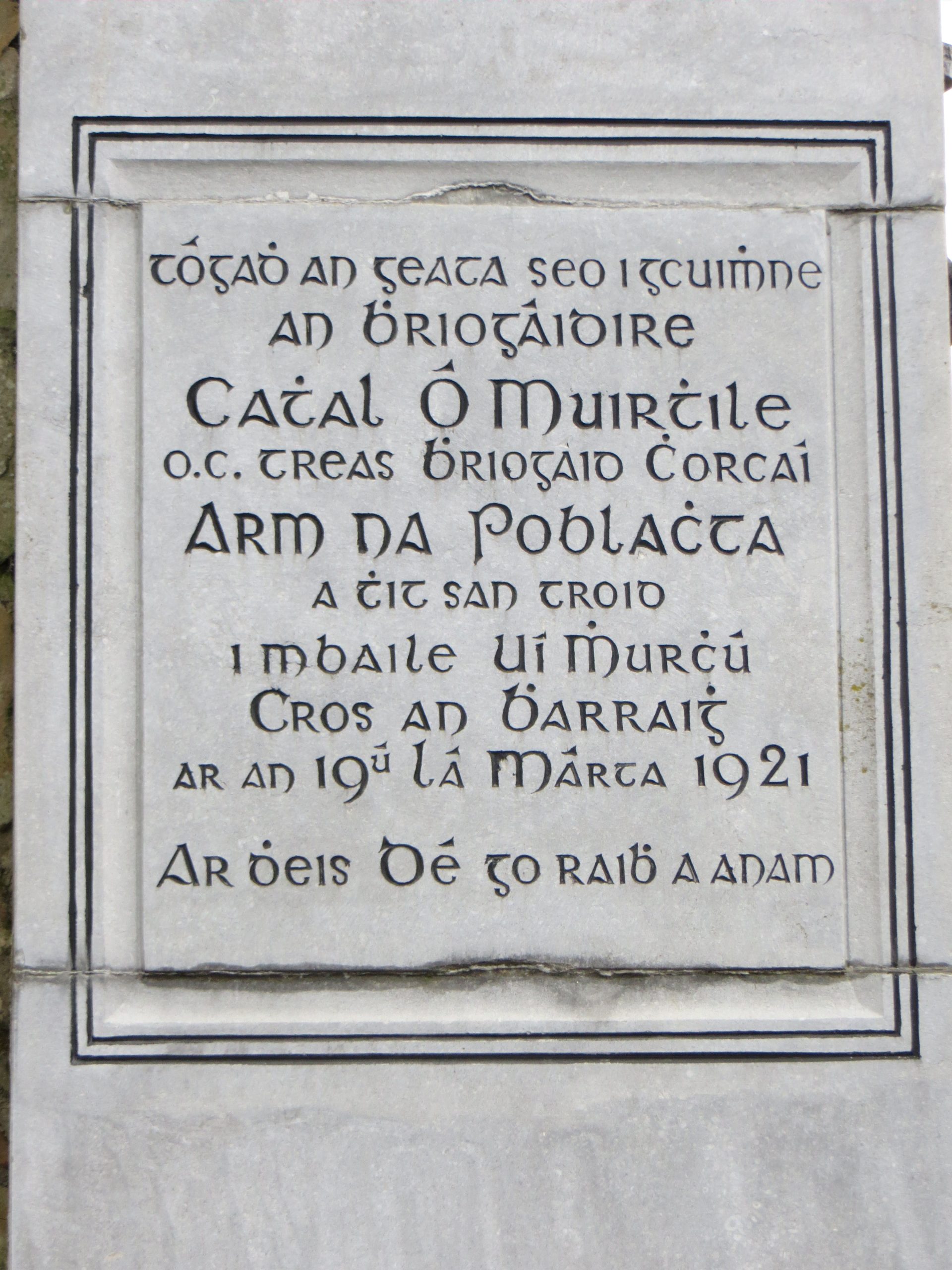 Cathal Hurley MemorialMemorial · 414 yd
 Carbury's WellSpring · 1.0 mi
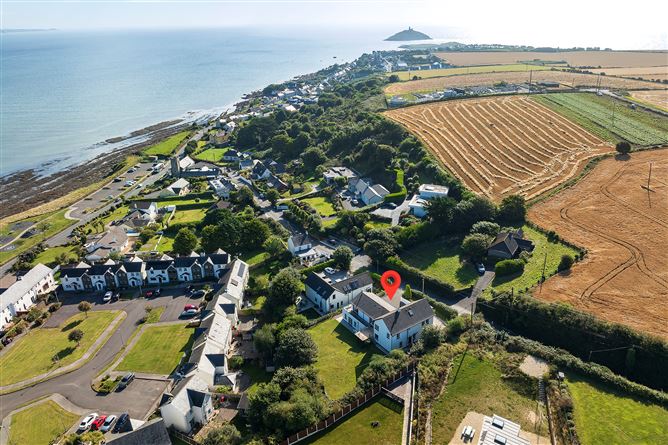 Cottage Road WoodWood · 1.7 mi
 Roche's WoodWood · 2.2 mi
 Marie LouiseWreck · 4.4 mi
 Carrighnassig Castle (Site of)Castle, unclassified · 4.4 mi
 Shippool CastleCastle · 4.8 mi
Other information
Photo: National Inventory of Architectural Heritage · Website use allowed for educational or private purposes with source credit