
What is recorded here
Tobar Ghobnait is a modernised holy well in County Kerry where people still walk rounds on the 11th of February. It lies near an early site named for St. Gobnait, but the greater local memory is the lost Pattern fair: white tents, music, trade, faction fights and sorrow in the same field. The well remains small and clear beside that loud vanished world, holding the day when joy and violence shared one breath.
Tobar Ghobnait: A modernised holy well where rounds are still made on St. Gobnait's day, the 11th of February. It lies about 200m to SW of a possible early ecclesiastical site also named for St. Gobnait (KE052-003001-).
Folklore collected from Kilgobnet School recorded that ; 'There is supposed to be a holy well at Kilgobnet and there is another holy well at Shanara. The feast of St Gobnet falls on the 11th day of February which was kept as a great in the district in days gone by but is not kept as a holiday any longer. It was celebrated by a great feast called the Pattern fair. This was a famous fair and it was attended by buyers from all over the country. All sorts of enjoyment went on at this fair at this fair all the matches were settled. There were white tents all over the place and every house in the district was a Sheebeen on that day Great faction fights also went on at this fair. The Protestants from Dingle came to fight with the Catholics of this district. The result of this was often sorrow and bloodshed as great numbers were often killed. The fair was carried on in one of Mr Shea's fields in Kilgobnet there were also toll gaps at which everyone had to pay some money before they went in. This old fair was destroyed by a fair which was held on the previous day in Killorglin and although it is now held in Killorglin five miles away it is still called the Pattern Fair. ' (The Schools’ Collection, Volume 0471, Page 318;https://www.duchas.ie/en/cbes/4742110/4736856).
See attached photographs of Tobar Ghobnait, Co. Kerry, taken 1947 by Caoimhín Ó Danachair courtesy of and © National Folklore Collection, UCD. The Photographic Collection, F025.18.00079/80 accessible online at https://www.duchas.ie/en/cbeg/24612;https://www.duchas.ie/en/cbeg/24613.
See attached colour photographs courtesy of Amanda Clarke
The above description is derived from J. Cuppage, ‘Corca Dhuibhne. Dingle Peninsula archaeological survey. Ballyferriter. Oidhreacht Chorca Dhuibhne’ (1986), no. 935. In certain instances the entries have been revised and updated in the light of recent research.
Revised by: Caimin O'Brien
Date of revised upload: 14 April 2022
Linked to St. Gobnait, a 6th-century Irish saint associated with beekeeping and healing, the well is traditionally visited on her feast day for its supposed curative properties, particularly for eye ailments and barrenness. The site's proximity to an early ecclesiastical site suggests a long-standing religious and communal significance in the region.
This remains an important historical record, but the official description says the monument is no longer visible or has been destroyed. The monument record does not grant public access. Check the route and ask the landowner before entering private land.
- What survives
- No visible remains or recorded as destroyed
Places near here
 Stone CrossCross · 150 yd
 Kilgobnet Penitential StationPenitential station · 265 yd
 Enclosure in Ceathrú An FheirtéaraighEnclosure · 358 yd
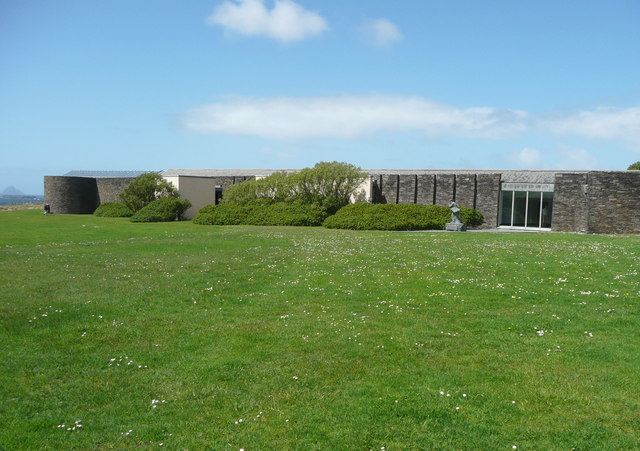 Ionad an Bhlascaoid MhóirMuseum · 628 yd
 Dunquin Church (in ruins)Church · 1330 yd
 Mullach Charraige LéitheMountain / peak · 1341 yd
 Dún BinneHeadland · 1519 yd
 Ceann SrathaNamed rock · 1654 yd
 Tráigh ChloichirBeach / strand · 1.4 mi
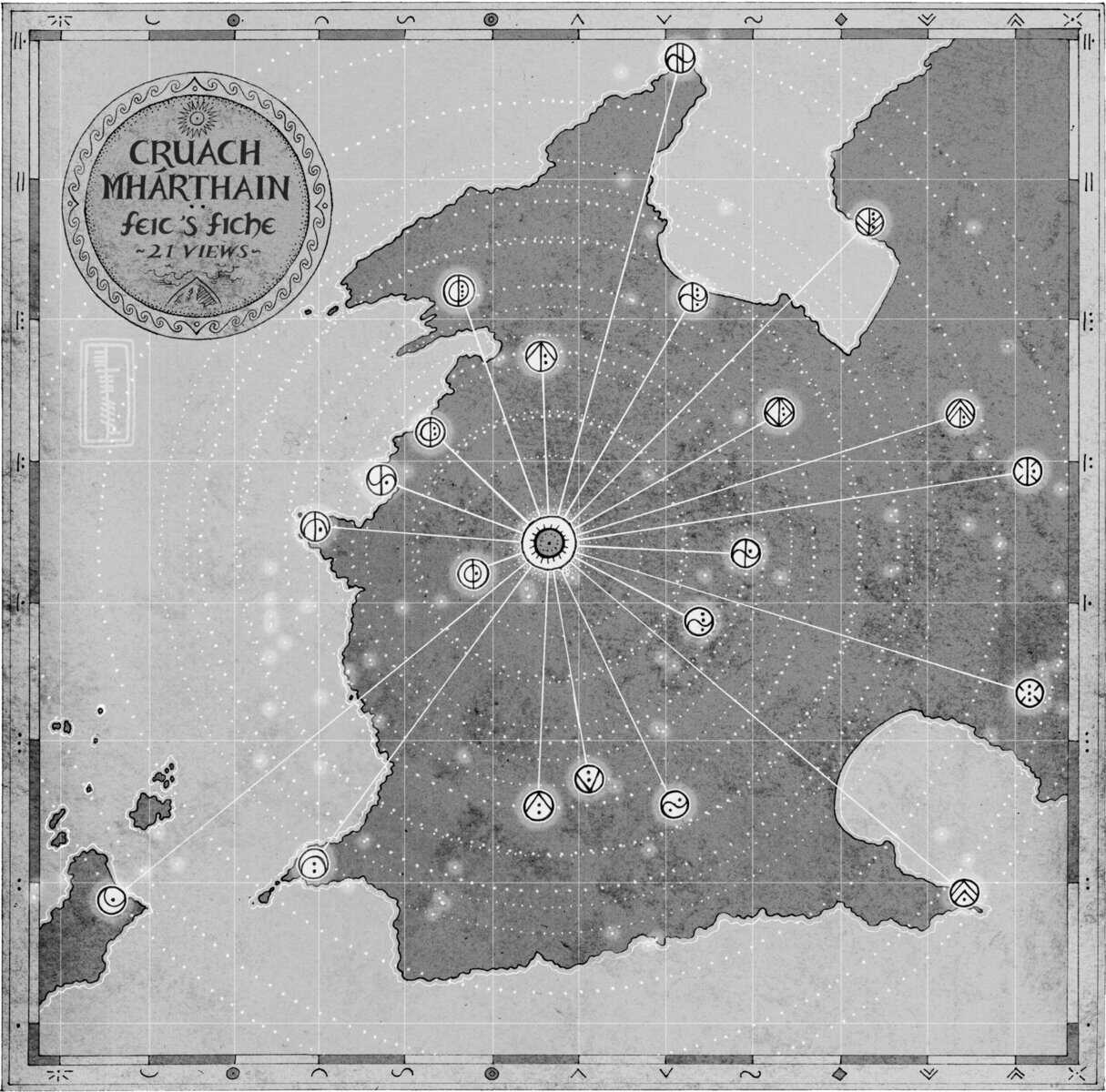 Cruach MhárthainMountain / peak · 1.8 mi
 Traigh an ChomaBeach / strand · 1.9 mi
 Oileán na nÓgIslet · 2.0 mi
Other information
Photo: Credit not shown in the picture search · Rights wording not checked; contact us if this picture should be removed