What is recorded here
Thirteen graveslabs sank into the River Nore when builders stripped a nearby graveyard to reinforce a late medieval bridge. They lay hidden beneath the water for centuries, holding the names and prayers of the dead in cold darkness. Men pried them from the mud in 2001, dragging ghost-marked stone back into the light. They stand now in Magdalan tower, waiting for someone to read what the river tried to erase.
Thirteen graveslabs were recovered from the River Nore during the archaeological excavations (01E980) carried out in 2001-2003 as part of the River Nore Drainage Scheme (Doyle and O’Meara 2004, 6-20). These were found associated with the late medieval bridge (KK019-026070-), immediately N of the current John’s Bridge (ibid. 7). It is suggested that the graveslabs were deliberately cleared from a graveyard, possibly belonging to either St Mary’s parish church (KK019-026115-) c. 100m to the W or to St John’s Priory (KK019-026068-) c. 200m to the NE, and used as part of the rubble needed to form a protective apron for the piers of the late medieval bridge (ibid. 16-19). Currently stored in Magdalan tower (KK019-026074-), Maudlin St, Kilkenny.
Fragment of a limestone graveslab (01E0980: 2312) which consists of the central portion of the slab (L 0.69m; Wth 0.28m; T 0.2m), with one side missing (ibid. 15). It is decorated with an incised cross-shaft (ibid.). White gritty lime mortar accretions are visible on the slab (ibid.). Stylistically this dates to the 13th/14th century (ibid.).
See attached photograph:
KK019-026428-_01 Photograph by Chris Corlett
Compiled by: Jean Farrelly
Date of upload: 16 January 2023
Graveslabs recovered from the River Nore, likely medieval in date, represent funerary monuments associated with early Christian or monastic sites in the region. Their presence in the river suggests possible displacement during historical flooding or deliberate deposition, highlighting the area’s former ecclesiastical significance.
The monument record does not grant public access. Check the route and ask the landowner before entering private land.
- What survives
- Recorded monument
Places near here
 Kilkenny County Council Car ParkVisitor information · 53 yd
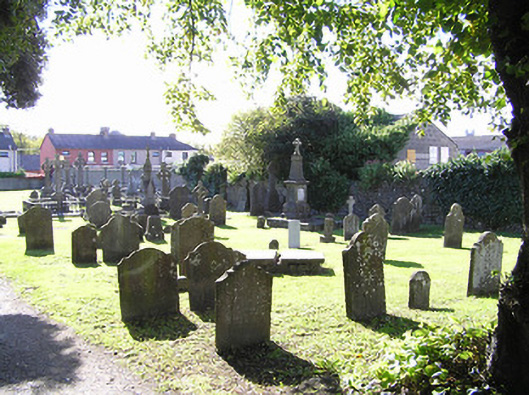 graveyard/cemeterygraveyard/cemetery · 106 yd
 Graveyard in Gardens (kilkenny City By., St. John's Par.)Graveyard · 110 yd
 Roselawnhouse · 152 yd
 KilkennyVisitor information · 212 yd
 1916-2016Memorial · 227 yd
 TombTomb, effigial · 317 yd
 Butler GalleryGallery · 359 yd
 CastleCastle, unclassified · 378 yd
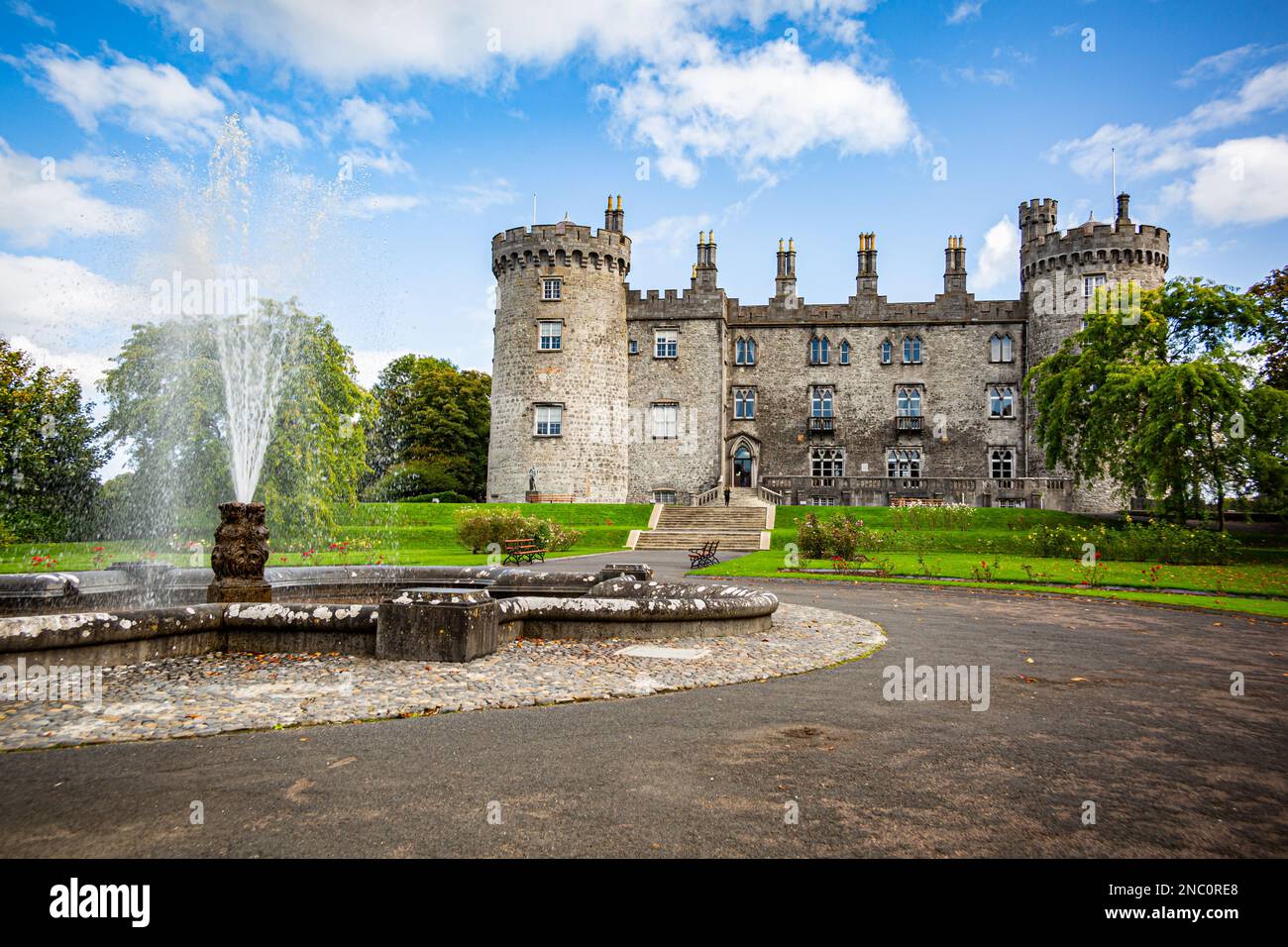 Fortification in Dukesmeadows (shillelogher By., St. Patrick's Par.)Fortification · 419 yd
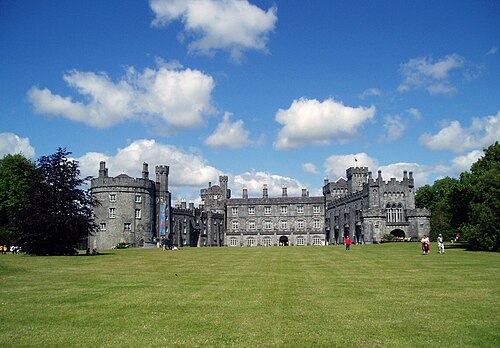 Kilkenny CastleHeritage attraction · 426 yd
 Knockavonhouse · 176 yd