What is recorded here
Danagher opened the Gortnatraw South cist in April 1964 and found a small rectangular chamber built from edge-set slabs and a flagstone floor. It held no bones, only broken pieces of a three-part pottery vessel buried in the soil. The dead body is absent, but the container remains, suggesting someone placed a treasured object there before forgetting, losing, or deliberately removing the person it belonged to.
Investigated by Danagher in April 1964 on behalf of the National Museum of Ireland. Subrectangular short cist (dims. 0.9m NNW-SSE; 0.66m ENE-WSW; D 0.57m) whose N, S and W sides were defined principally by single slabs set on edge. Two slabs defined the E side. The floor was composed of two large flags interspersed with some smaller stones. Fragments of a tripartite vessel were recovered in the grave fill. No burials or other artifacts were identified (Cahill and Sikora 2011, Vol 1, 137-140).
Compiled by: Patrick F. O'Donovan
Date of upload: 22 February 2013
Bronze Age cist tomb, dating to approximately 2000–800 BCE. It is significant as a small burial structure reflecting early funerary practices in the region, with architectural features typical of the period.
The monument record does not grant public access. Check the route and ask the landowner before entering private land.
- What survives
- Recorded monument
Places near here
 Gortnatraw South Stone RingfortFairy fort / stone ringfort · 315 yd
 Gortnatraw South Fairy FortFairy fort / earthen ringfort · 330 yd
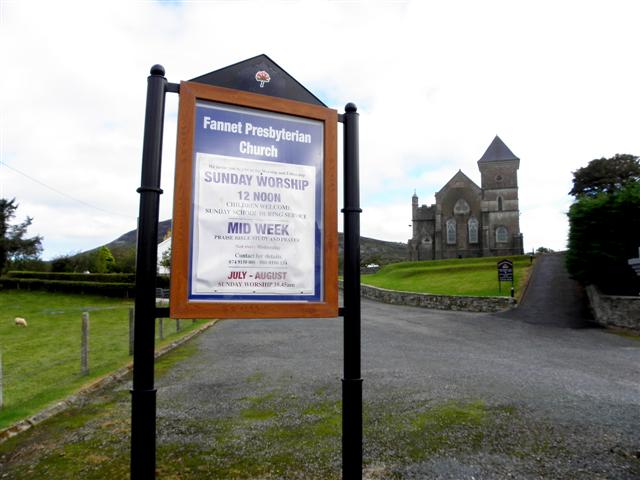 Fannet Presbyterian Churchchurch/chapel · 805 yd
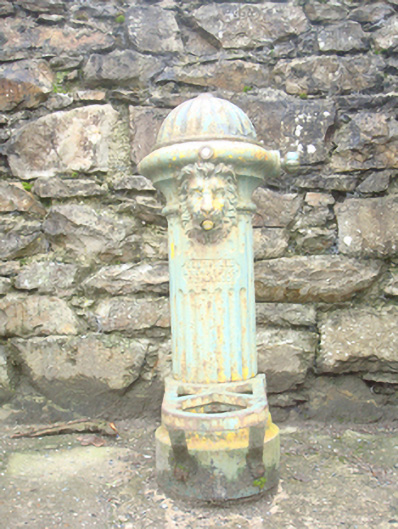 water pumpwater pump · 962 yd
 Cranberry IslandIslet · 1.5 mi
 Rough IslandIslet · 1.9 mi
 WoodquarterForest recreation place · 2.3 mi
 Ballymastocker StrandViewpoint · 3.7 mi
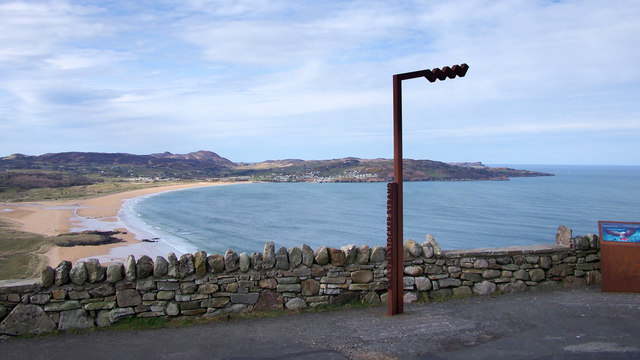 Wild Atlantic Way:Ballymastocker StrandVisitor information · 3.7 mi
 PortsalonOfficial bathing water · 3.8 mi
 Croaghan HillMountain / peak · 4.0 mi
 Moross CastleCastle, tower house · 4.1 mi