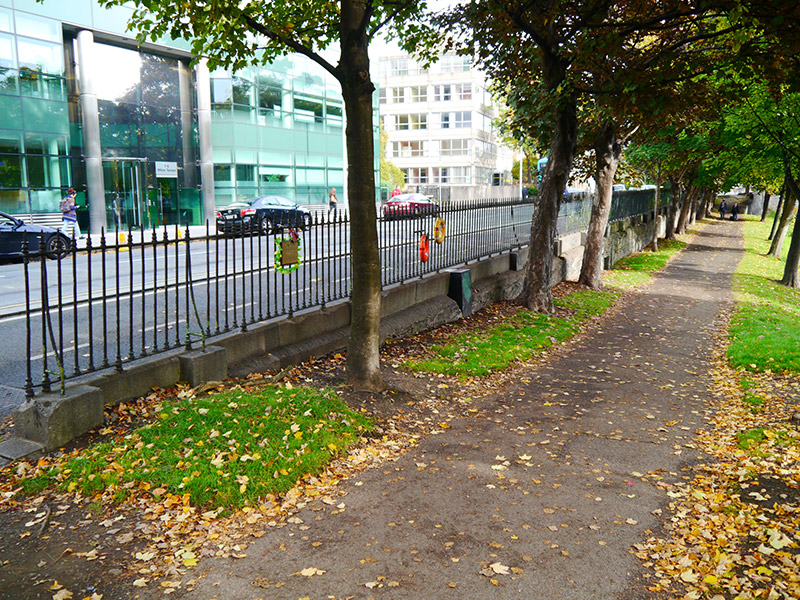
What is recorded here
Iron railings mounted on granite plinth, built c. 1820, marking boundary between Wilton Terrace and Grand Canal towpath. Cylindrical iron railings with pointed tops and cast-iron collars, mounted on dressed granite plinth over random limestone rubble wall (exposed to south-side only). Braced by raked iron supports on projecting dressed granite plinth stops to south side. Curved section to eastern end, pierced by a pair of dressed granite steps, where railings abut western parapet of McCartney Bridge; quarter-circular iron fixing adjoins railings to granite coping of bridge parapet. Square-headed opening to south side with brick surrounds and rendered lintel.
The Grand Canal, connecting the City of Dublin with the River Shannon, was first proposed c. 1715, with work by the Commissioners for Inland Navigation beginning in 1757. By 1804 the canal had been completed. Dividing the towpath of the Grand Canal from the elevated roadway of Wilton Terrace, these railings match those which bound the small park to the north-west on Wilton Place. The two sets of railings were likely erected together, during the early-to-mid nineteenth century, however, elements of the rubble stone base may have been constructed at an earlier date, possibly in conjunction with the canal or McCartney Bridge, c. 1790. The canal is an excellent and well preserved example of late-eighteenth century engineering and is of socio-historic importance to the city. They enhance the setting of the canal and McCartney Bridge.
This does not grant access. Most recorded buildings are privately owned; view them only from public ground unless the owner allows entry.
Places near here
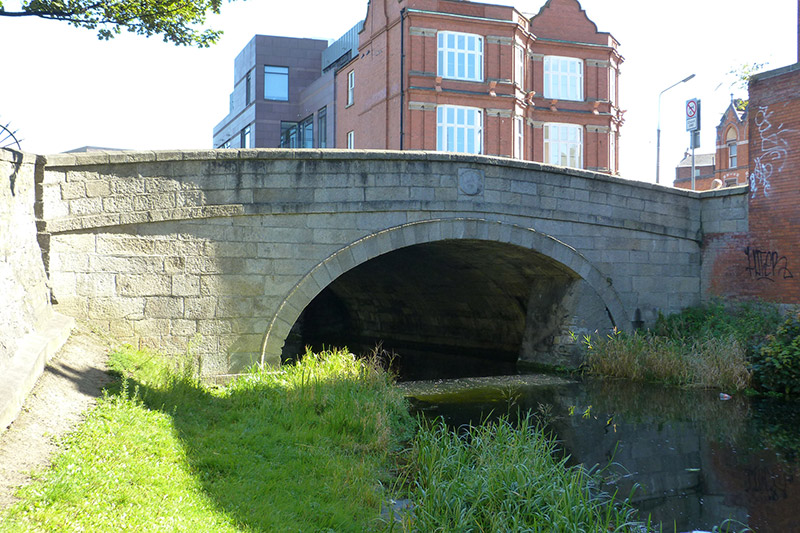 McCartney Bridgebridge · 66 yd
 Grand Canallock · 75 yd
 Catherine McAuleyMemorial · 150 yd
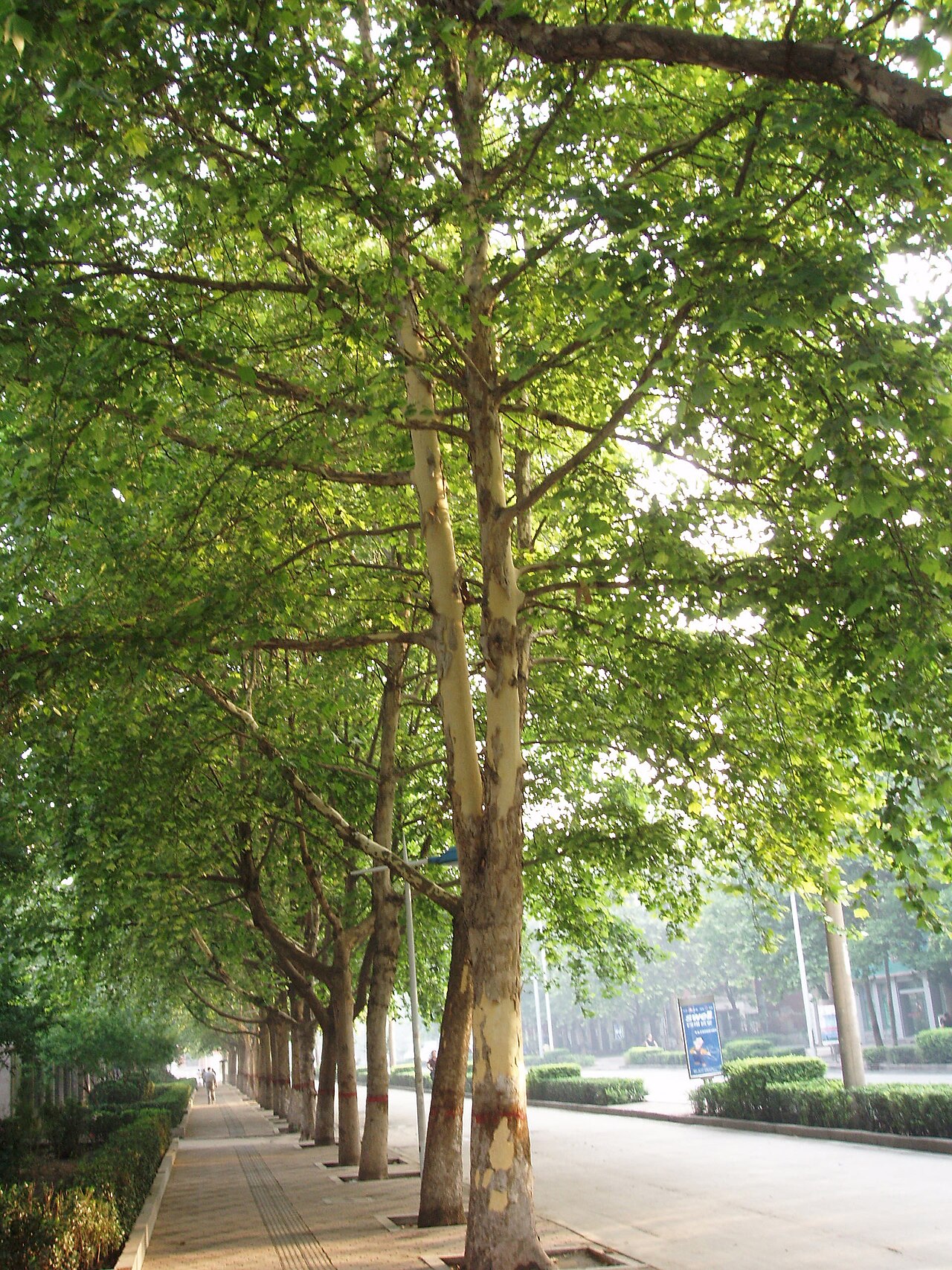 London PlaneLondon Plane · 201 yd
 Miesian PlazaVisitor information · 247 yd
 William Percy FrenchMemorial · 260 yd
 St Mary's ParkVisitor information · 339 yd
 Statue of Surgeon-Major ParkeMonument · 810 yd
 The Giant's GardenHeritage attraction · 837 yd
 National Museum of Ireland, Natural HistoryMuseum · 866 yd
 Battle of RathminesMajor battlefield · 1310 yd
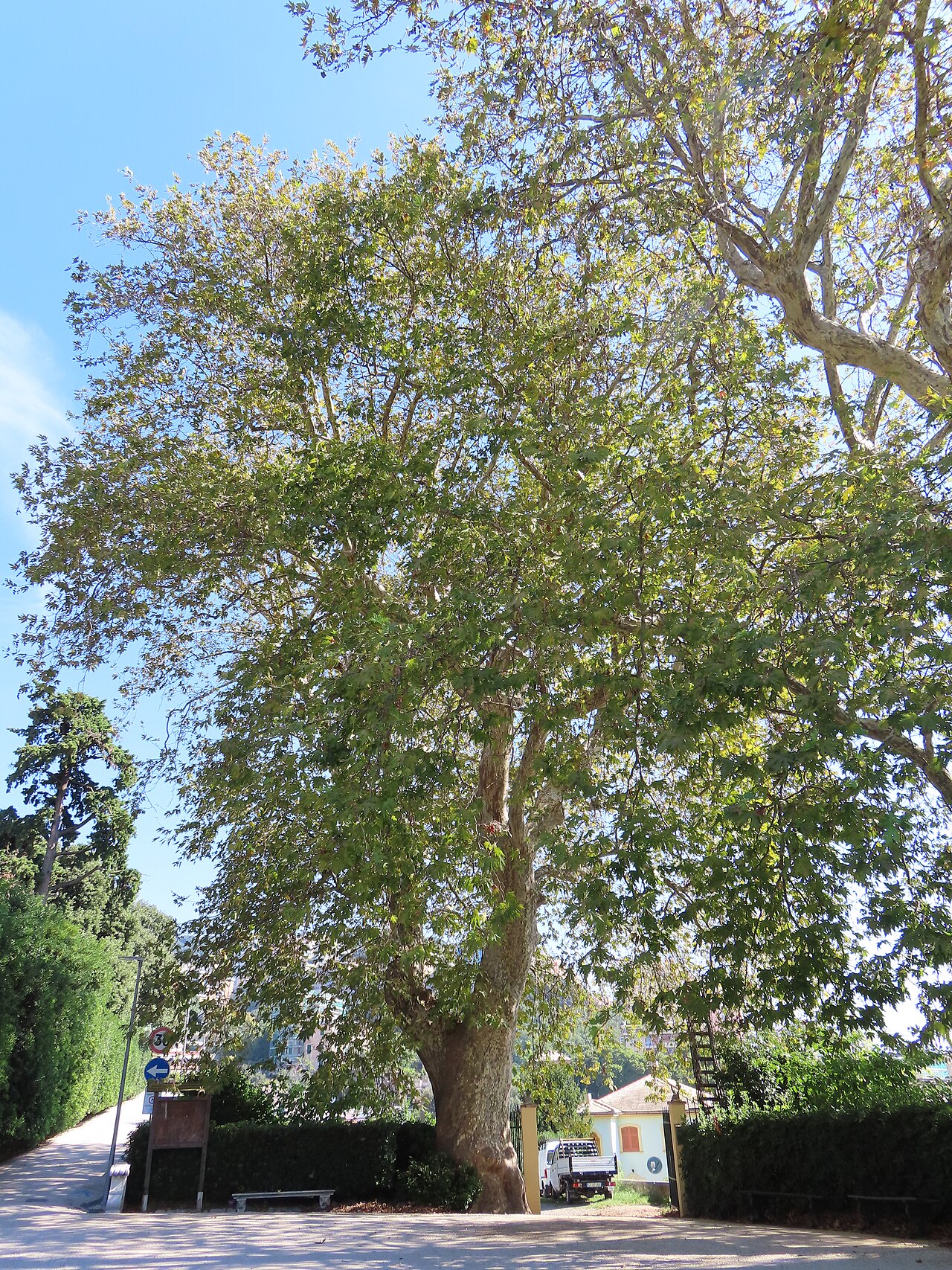 Oriental planeOriental plane · 1406 yd
Other information
Photo: National Inventory of Architectural Heritage · Website use allowed for educational or private purposes with source credit