What is recorded here
Kill East holds a Bronze Age flat cemetery where burnt bone and pottery urns still mark the edges of a forgotten mound. The road works stripped away centuries of grass to reveal six shallow pits and a square frame of post-holes, proving that death itself once shaped the hill. What looked like a random charcoal stain was actually a ceremony, repeated and remembered long before written history arrived.
'Site No. 4' at Kill Hill (designated KD020-022002-) was identified at the base of a slope to the north of Kill Hill during archaeological centre-line testing (Licence No. 03E1265: www.excavations.ie) for the N7 Naas Road Widening and Interchanges Scheme, and was fully excavated (Licence No. 03E1573: www.excavations.ie). The site was first identified as an amorphous pit with a charcoal-rich fill. An area measuring 15m by 15m was stripped of topsoil by machine around the site and it was revealed to be a roughly circular ditch enclosing several pits. The circular ditch enclosed an area 6.3m in diameter in which six pits were recorded, five of which cut natural inside the ditch and one of which cut the ditch itself. Five of the pits contained burnt bone. The pits were sub circular and measured c. 0.5-0.8m in diameter. The central or primary pit had been disturbed by a secondary burial, which was represented by an undecorated cinerary urn lying on its side. There were some sherds of pottery from a different pot to the urn recovered from the fill of the secondary burial. Two pits were recorded just inside the ditch, one of which contained the base of a pottery vessel. Token deposits of bone lined the edges of the cut of the ditch. The fifth pit, which contained burnt bone as well as an unburnt animal tooth, cut the ditch to the north and was the amorphous charcoal spread noted earlier. Finds of both burnt and unburnt bone were recovered from the ditch. Four post-holes were recorded in a roughly square configuration, cutting both the ditch and the natural subsoil in the interior. One of these contained a small deposit of burnt bone.
Preliminary analysis indicates that this feature was a Bronze Age burial site, possibly the truncated remains of a cemetery mound or of a small flat cemetery. Further information will be available for the site following specialist analysis and dating of the pottery and the cremated bone.
Compiled by: Gearóid Conroy
Date of upload: 10 June 2011
The monument record does not grant public access. Check the route and ask the landowner before entering private land.
- What survives
- Recorded monument
Places near here
 Enclosure in Kill East (kill Ed)Enclosure · 1 yd
 IndicatedHillfort · 683 yd
 Saint Brigid's National Schoolschool · 707 yd
 Saint Brigid's Catholic Churchchurch/chapel · 720 yd
 Kill MoatCastle, motte and bailey · 893 yd
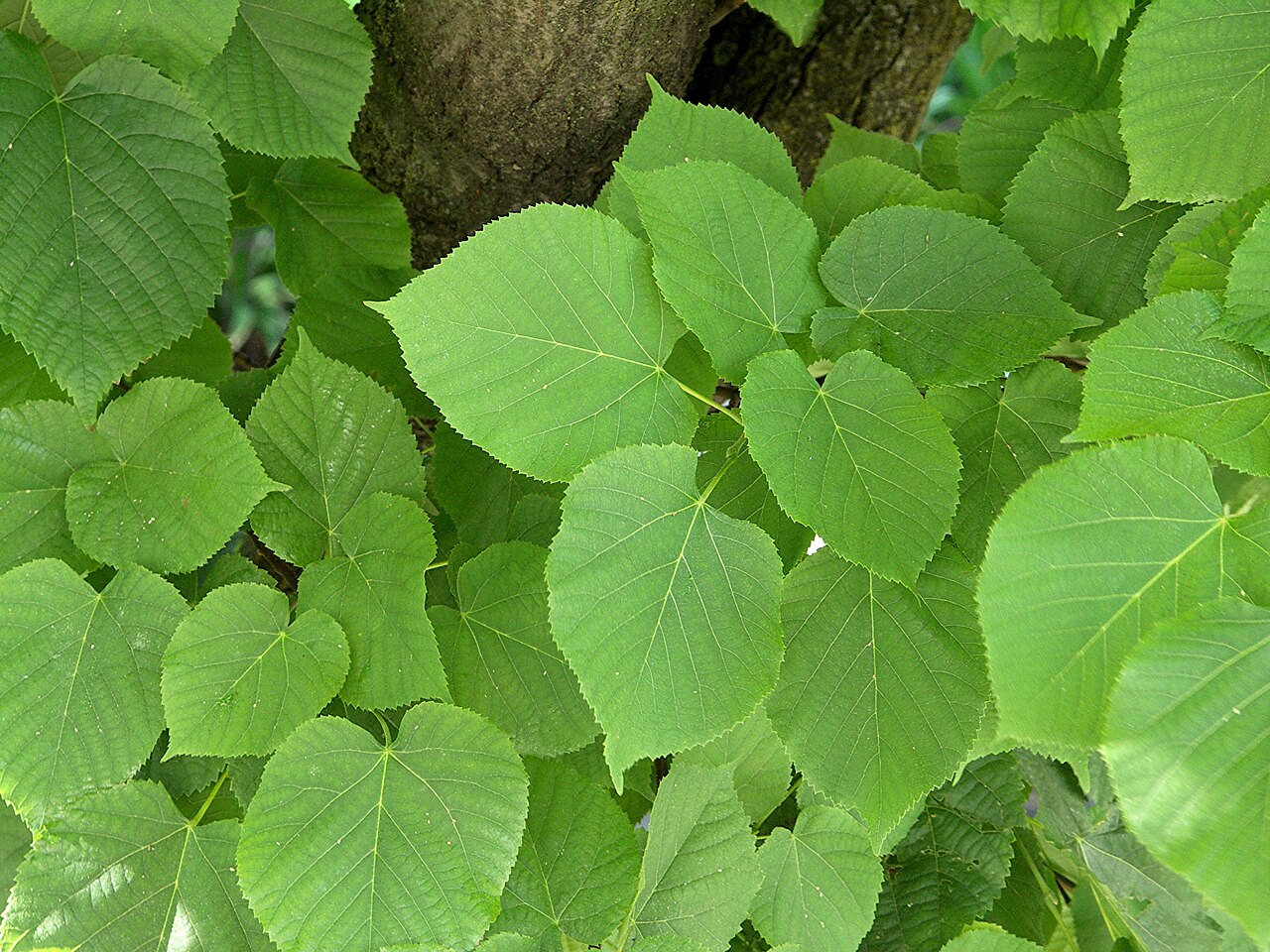 Common LimeCommon Lime · 1576 yd
 McCullagh's WoodWood · 1.1 mi
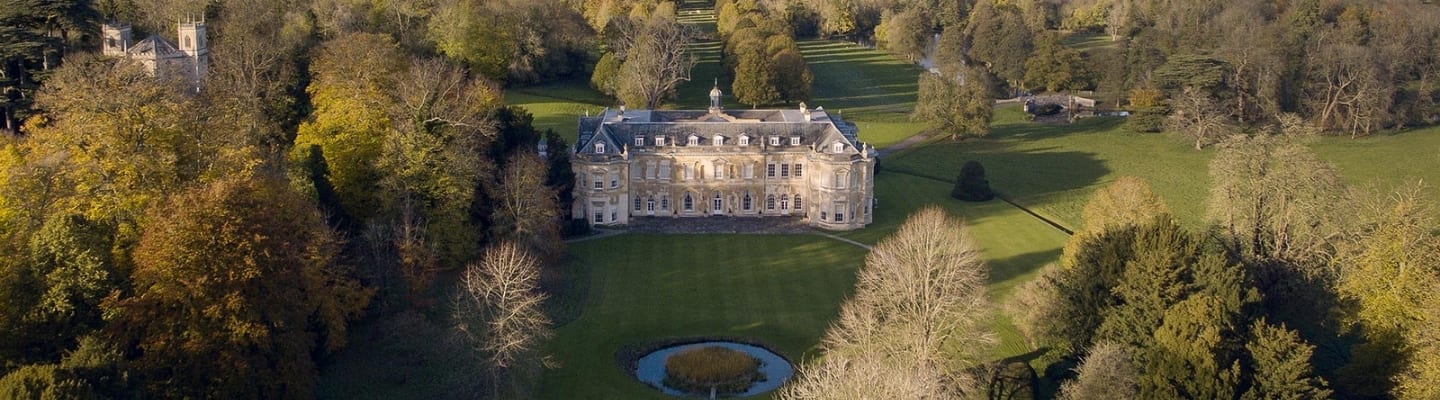 Hartwell CastleCastle, unclassified · 1.3 mi
 Oughterard Round TowerHeritage attraction · 1.8 mi
 Arthur Guinness GraveMemorial · 1.8 mi
 Athgoe HillMountain / peak · 3.7 mi
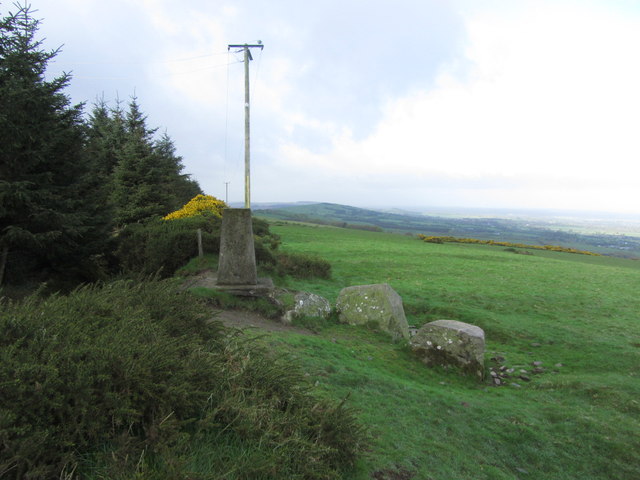 Cupidstown HillMountain / peak · 4.0 mi