What is recorded here
Falkland Palace in Fife, Scotland, holds Pictish Symbol Stones marked by angular lines and ancient shapes. The palace rose later, yet the stones belonged to an earlier people who carved meaning into rock before written language. They may have stood near water, marked a boundary, or warned visitors that this land remembered older hands. The palace changed, but the symbols did not; they still point toward the lives that shaped them.
Scotland's National Record of the Historic Environment records Falkland Palace, Pictish Symbol Stones as Pictish Symbol Stone(s) (pictish). The official map says its point is accurate as follows: NGR given to the nearest 10m. The record does not by itself mean that the public may enter the place.
Falkland Palace, Pictish Symbol Stones are ancient carvings associated with the Picts, dating to the early medieval period, roughly between the 6th and 9th centuries AD. These stones are important as they provide insight into Pictish art, language, and culture, which remains only partially understood by historians.
The historic-place record does not grant public access. Check current conditions and ownership before entering land or a building.
Places near here
 Falkland Palace, WallWall (period Unassigned) · 24 yd
.jpg?width=1280) Falkland, High Street, Moncrief HouseHouse (17th Century) · 36 yd
Falkland, High Street, Moncrief HouseHouse (17th Century) · 36 yd Falkland, High Street, the Bruce Arms Inn, Architectural FragmentsArchitectural Fragment(s) (period Unassigned) · 62 yd
.jpg?width=1280) Tyndall Bruce StatueMemorial · 103 yd
Tyndall Bruce StatueMemorial · 103 yd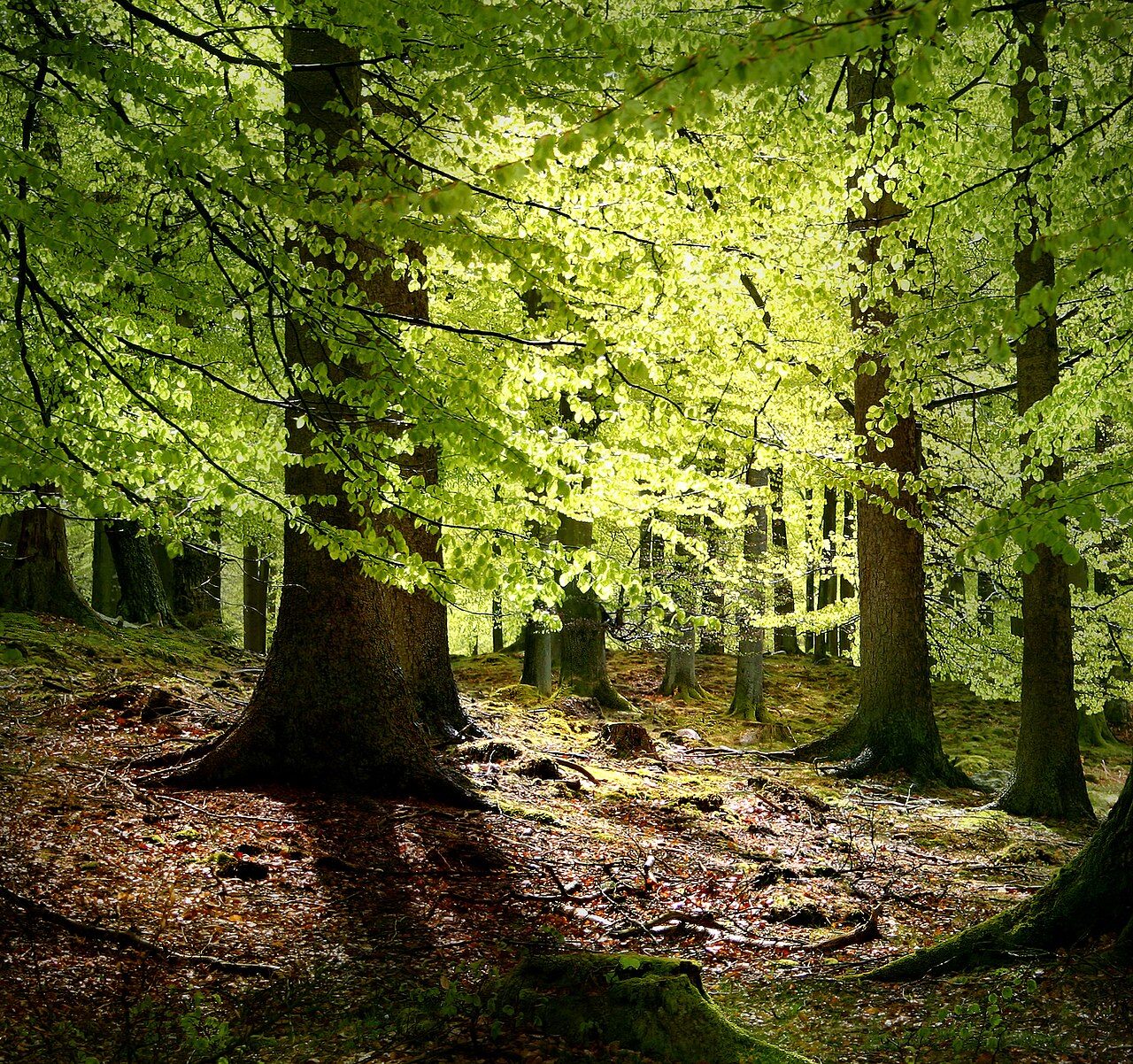 Fern Leaved Beech TreeEuropean Beech · 117 yd
 Falkland, High Street, Parish ChurchBurial Ground (post Medieval), Church (17th Century), Churchyard (post Medieval) · 135 yd
 Falkland CastleTower House (medieval) · 145 yd
 War MemorialMemorial · 169 yd
 Falkland, the PleasanceNo Class (event) (period Unassigned) · 370 yd
 Yad WaterfallWaterfall · 1.2 mi
 Old LimekilnHeritage attraction · 1.4 mi
 The Rhind HillMountain / peak · 2.2 mi