What is recorded here
Glasha Beg holds a massive suboval cashel fifty-two metres across, its collapsed stone bank still standing one and a half metres high despite centuries of grass and forgetting. The site sits within a dense cluster of similar rings and enclosures, suggesting a busy settled landscape rather than a lonely marker. A meandering wall crosses the interior and continues beyond the boundary, hinting that the cashel may have been part of a larger dividing structure. The stones have fallen, the purpose has blurred, but the scale remains undeniable in the pastureland.
In undulating pastureland and limestone pavement within a large multiperiod field system (CL008-109001-). Listed as 'Potential site - aerial photo' in the RMP (1996). This large suboval cashel (int. dims. c. 52m NE-SW; c. 45m NW-SE) is defined by a wide bank of collapsed and grassed-over stone material (Wth 3.5m; int. H 0.2-1m; ext. H 1.6m) from E-S-NW. Intermittent wall-facing is visible, particularly at SE. From NW to E the townland boundary wall (H 1.5m) appears to have been built on the line of the cashel and a spread of collapsed material (Wth 3-4m) visible beneath it at N further suggests this. A meandering grassed-over wall (L 45m; Wth 1m; H 0.35m) crosses the interior, which slopes to the SW, from roughly NW-SE, and it appears to continue beyond the cashel to the SE. Two cashels (CL008-013001- and CL008-013006-) lie c. 30m to the N and c. 31m to the W respectively. There is an enclosure (CL008-013003-) c. 71m to the NE and another cashel (CL008-014----) c. 108m to the SE.
The following image has been uploaded: CL008-013002-_01.jpg View from SE
Compiled by: Olive Alcock and Conn Herriott
Date of upload: 23 August 2022
A large suboval stone ringfort in Glasha Beg/Glasha More, likely dating to the early medieval period, situated within a complex multiperiod landscape. Local tradition associates such sites with fairy dwellings, and they were often avoided due to beliefs in supernatural inhabitants.
The monument record does not grant public access. Check the route and ask the landowner before entering private land.
- What survives
- Recorded monument
Places near here
 Enclosure in Glasha MoreEnclosure · 124 yd
 IndicatedEnclosure · 200 yd
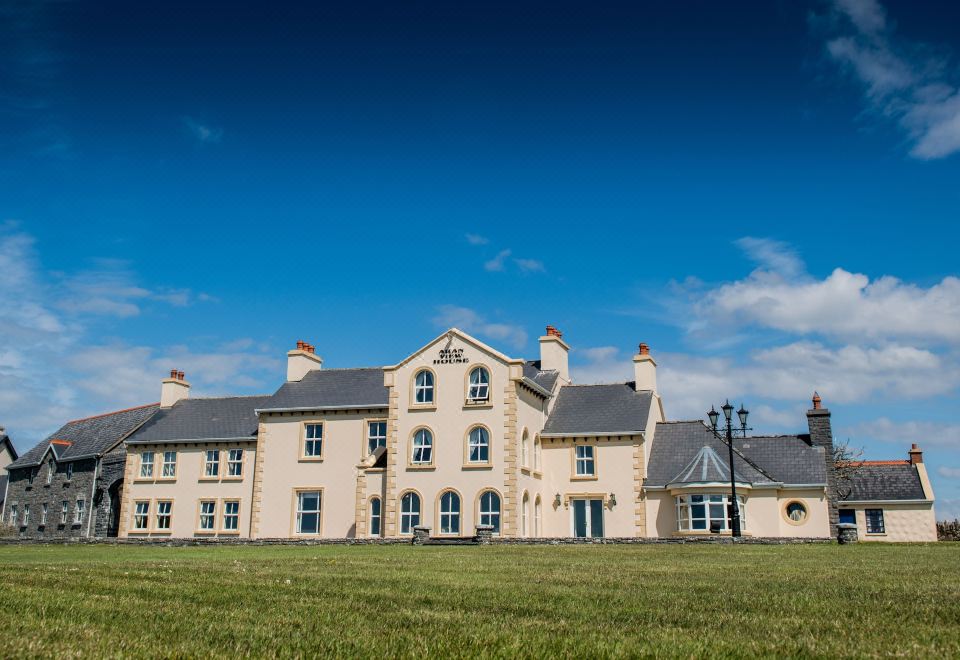 Aran View SwalletCave · 1626 yd
 Catholic Church of the Holy Rosarychurch/chapel · 1672 yd
 CastleCastle, unclassified · 1748 yd
 Doolin CaveCave · 1.1 mi
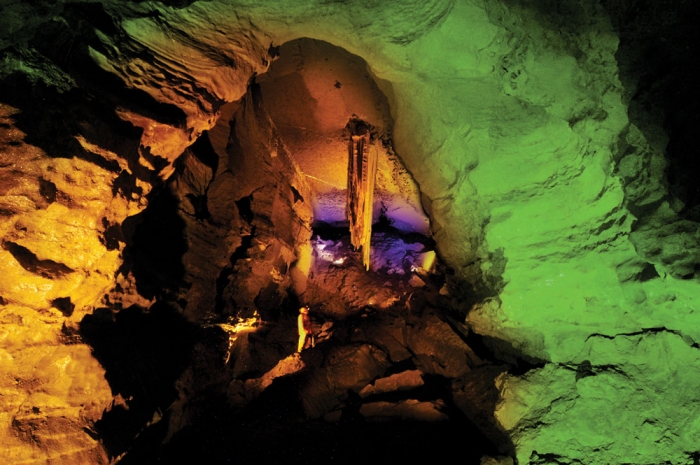 Doolin Cave Visitor CentreHeritage attraction · 1.1 mi
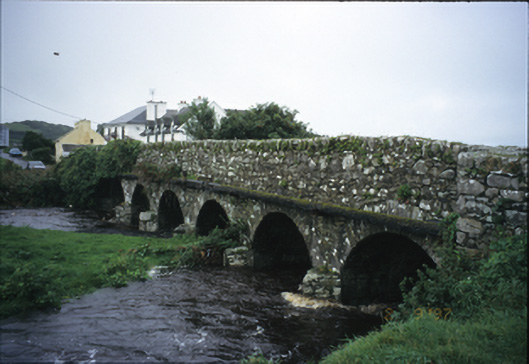 Roadford Bridgebridge · 1.4 mi
 Ballinalacken CastleCastle · 1.5 mi
 The BurrenHeritage attraction · 1.5 mi
 BallyryanCliff · 2.0 mi
 Doolin PointHeadland · 2.0 mi