
What is recorded here
Freestanding statue, erected 1868, comprising electro-typed copper-bronze standing male figure, set on square-plan carved stepped granite plinth with incised lettering, having carved capping to base. Located on lawn, north of entrance to Trinity College.
This figure of Edmund Burke was made by J.H. Foley. Electro-casting or electro-typing is a casting method invented by Moritz Von Jacobi in 1838, involving the use of chemical processes to create a perfect metal coating, and was quickly adopted by many contemporary sculptors. Foley is best known for his ability to capture the individuality of his subjects by their stance, and composed three statues for College Square, Grattan (set on the traffic island to the west of Trinity College) and Goldsmith to the south, as well as this one of Edmund Burke. Burke appears defiant, yet contemplative in this composition, a fitting portrayal of a man who campaigned for Catholic emancipation in the eighteenth century, as well as elucidating complex theories on integration, social order and free trade. Burke, born in Dublin in 1729, graduated from Trinity College in 1748, having founded the precursor to the current College Historical Society. He became known as the ‘Father of British Conservatism’. This statue, along with its corresponding piece to the south, form part of an appropriate entrance ensemble, with two prominent alumni flanking the main arch. The detail and skill apparent in its execution is of considerable artistic merit, while the granite plinth serves to connect the statue with the surrounding buildings.
This does not grant access. Most recorded buildings are privately owned; view them only from public ground unless the owner allows entry.
Places near here
 gates/railings/wallsgates/railings/walls · 15 yd
 Trinity Collegeuniversity · 20 yd
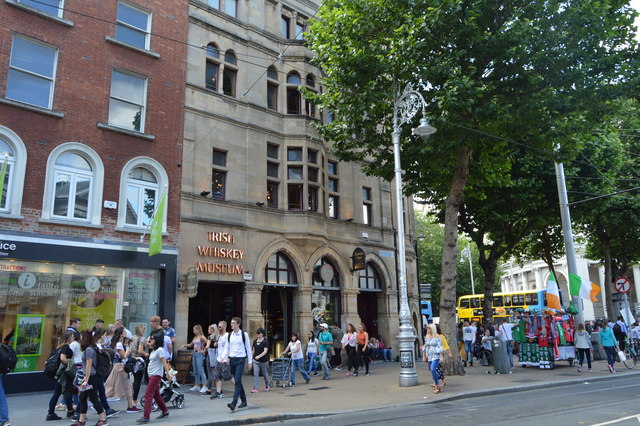 Irish Whiskey MuseumMuseum · 58 yd
 Seamus Heaney: Listen Now AgainMuseum · 65 yd
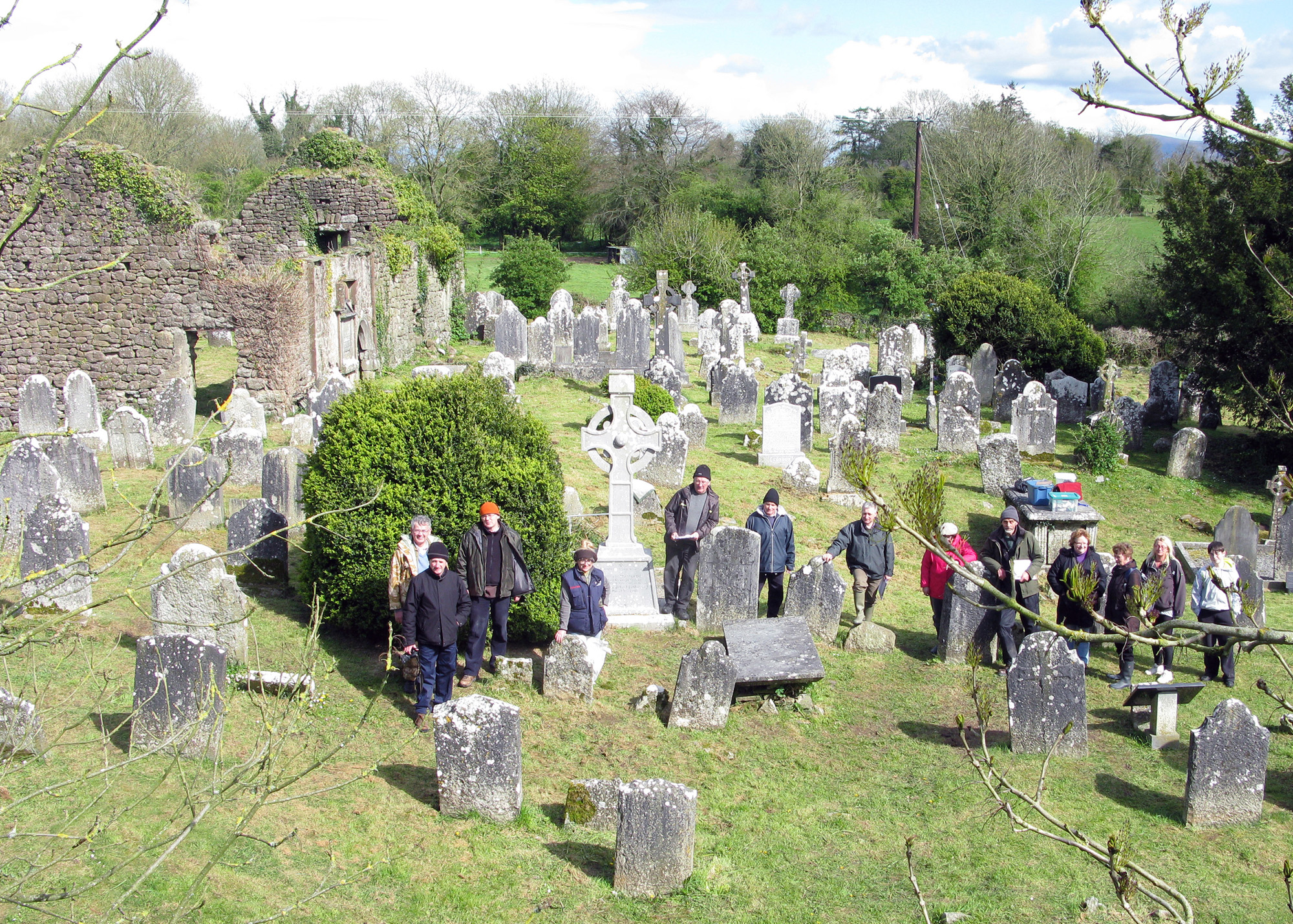 Graveyard in Unknown TownlandGraveyard · 103 yd
 Thomas Osborne DavisMonument · 111 yd
 Mound in Unknown TownlandMound · 111 yd
 Hall of HonourMemorial · 130 yd
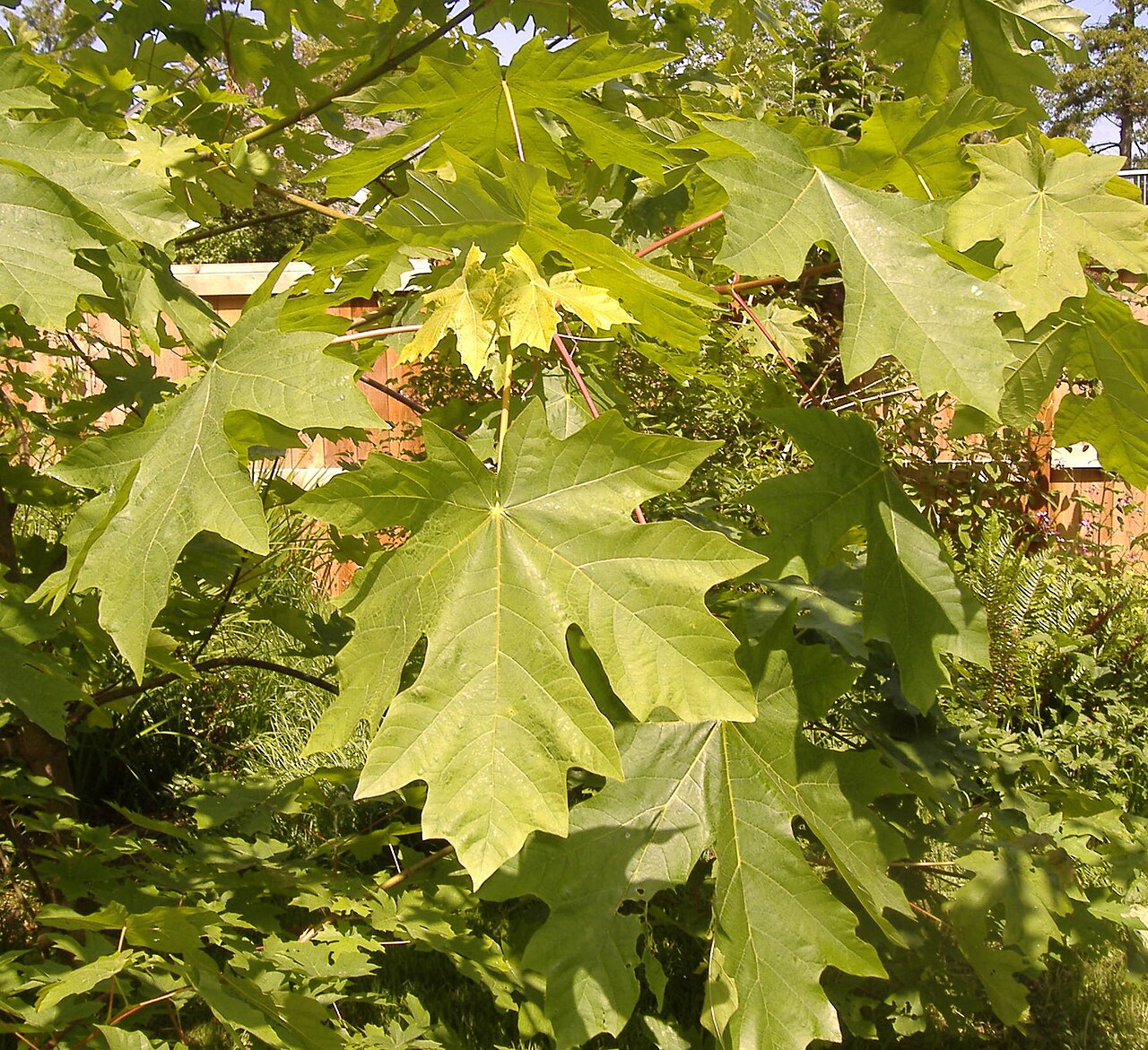 Bigleaf MapleBigleaf Maple · 183 yd
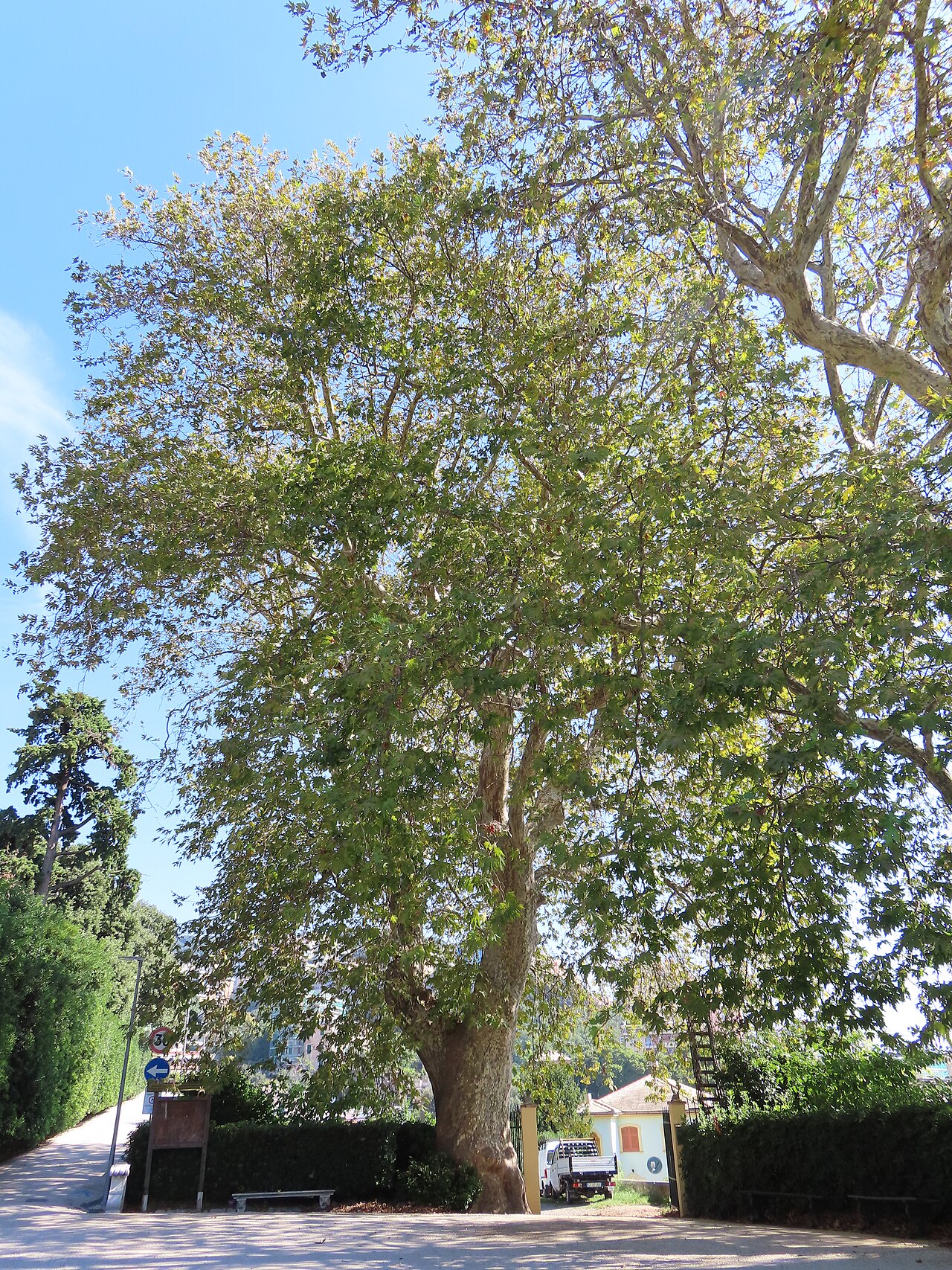 Oriental planeOriental plane · 294 yd
 CastleCastle, Anglo-Norman masonry castle · 632 yd
 Newcomen BankVisitor information · 632 yd
Other information
Photo: Philip Halling · CC BY-SA 2.0