What is recorded here
Druid's Altar Stones sit beside the boundary fence between Drumcarbit and Carrowmore townlands in County Donegal, a tangle of large flags heaped one on top of another. Local tradition associates them with giants, yet no remains suggest they ever formed an artificial structure. The name appears on maps from 1834, but the stones themselves resist explanation, leaving behind more question than answer.
This feature is named 'Druid's Altar' on the original OS 6-inch map (1834) and on the 1848 edition. It is beside the boundary fence between Drumcarbit and Carrowmore townlands and consists of several large flags heaped one on top of the other. These stones, associated with 'giants' in local tradition, are of uncertain origin, but there is now no indication that they ever formed part of an artificial structure.
Borlase 1897, 229, Inishowen East no. 4; OS 1:2,500 Name Book, sheet 4 (1900), 59; Colhoun 1949, 116; Killanin and Duignan 1962, 366 (Carrowmore); Killanin and Duignan 1967, 368 (mentions the site twice: firstly, as 'on the borders of Carrowmore and Balleeghan Upper' and, secondly, immediately following, as Drumcarbit); Bonner 1972, 16; Ó Nualláin 1983a, 47, no. 144 (Carrowmore); SMR 1987, 4:28 (Carrowmore); Colhoun 1995, 11-12; RMP 1995, 4:28 (Carrowmore).
The above description was published in the 'Survey of the Megalithic Tombs of Ireland. Volume VI, County Donegal.' Compiled by: Eamon Cody (Dublin: Stationery Office, 2002).
Date of upload: 22 September 2008
Portal dolmen; Neolithic period (c. 3500–2500 BCE). Part of the Carrowmore megalithic complex, one of the earliest and most significant passage tomb sites in Ireland.
The monument record does not grant public access. Check the route and ask the landowner before entering private land.
- What survives
- Recorded monument
Places near here
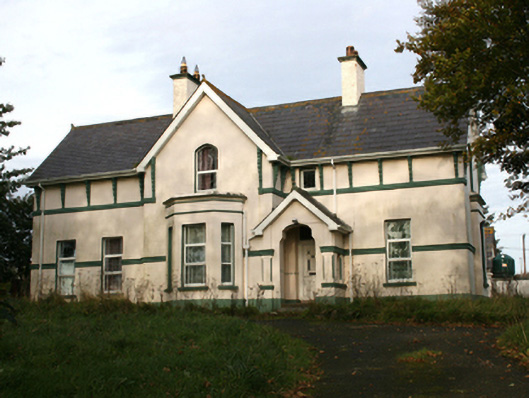 rectory/glebe/vicarage/curate's houserectory/glebe/vicarage/curate's house · 755 yd
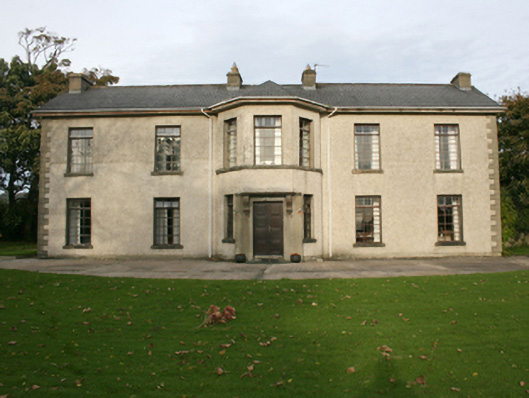 Rockville Househouse · 907 yd
 IndicatedHoly well · 1.5 mi
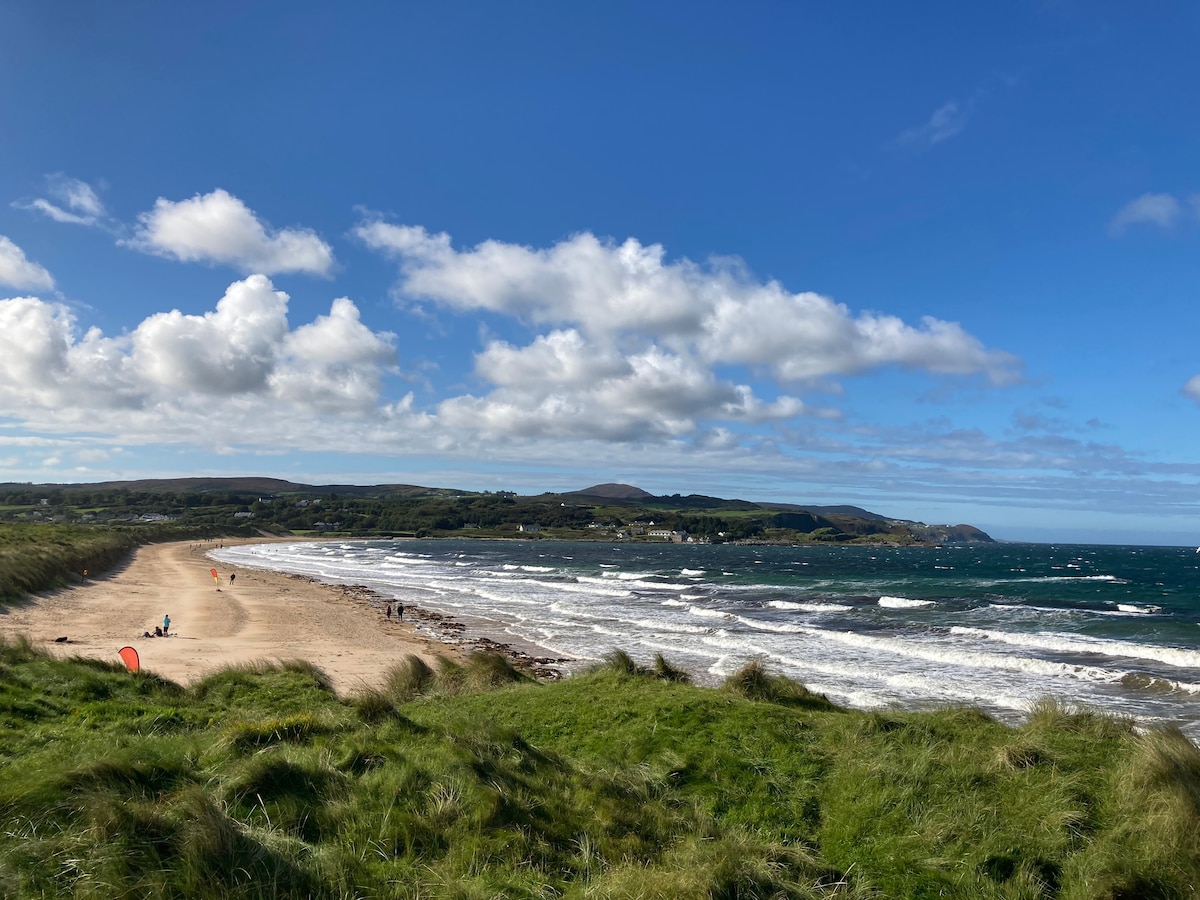 Drumaville Fairy FortFairy fort / earthen ringfort · 1.8 mi
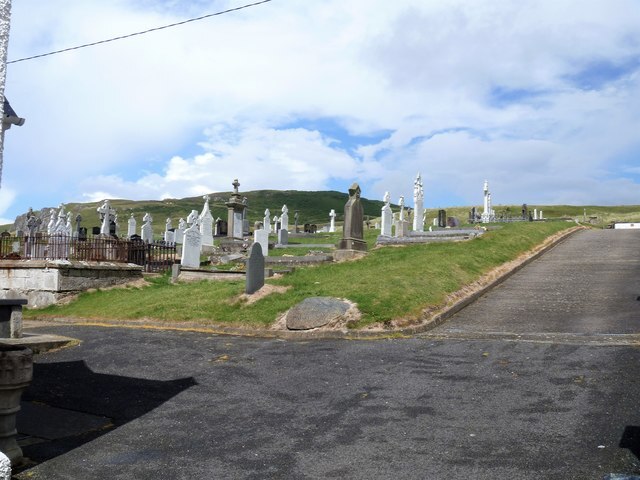 Lag GraveyardGraveyard · 3.1 mi
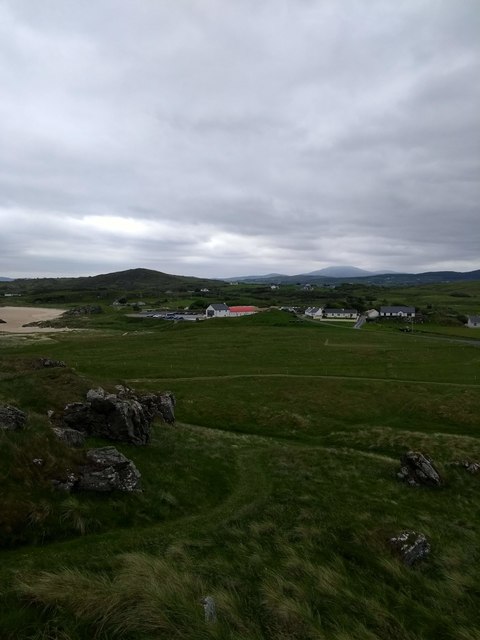 Doagh Famine VillageMuseum · 3.3 mi
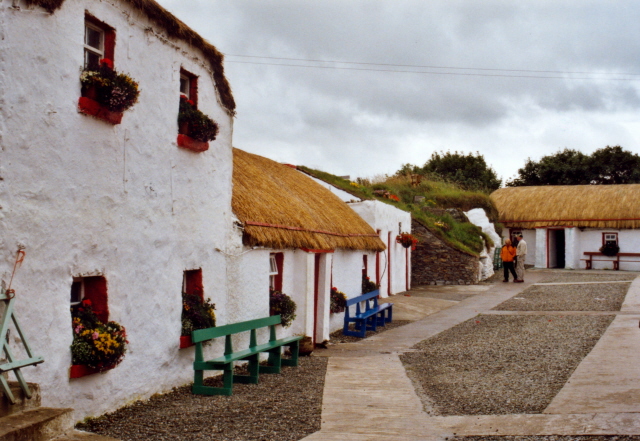 Dough Famine VillageHeritage attraction · 3.3 mi
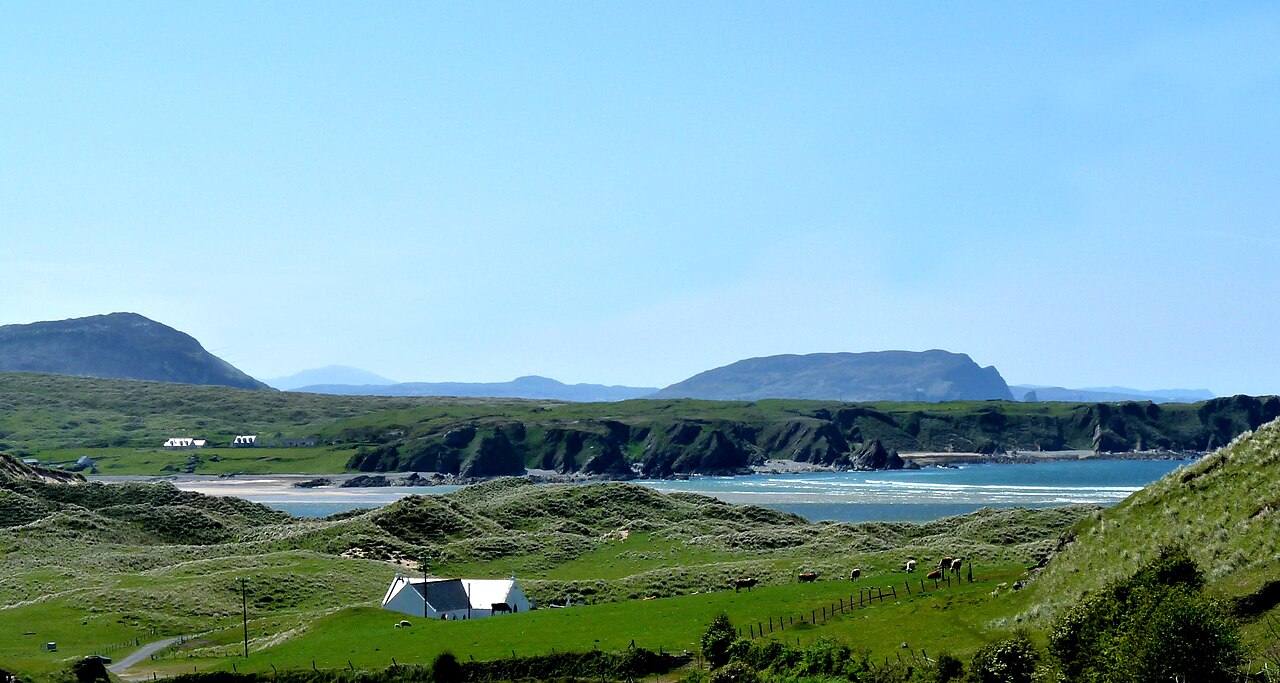 Five Finger StrandBeach / strand · 3.4 mi
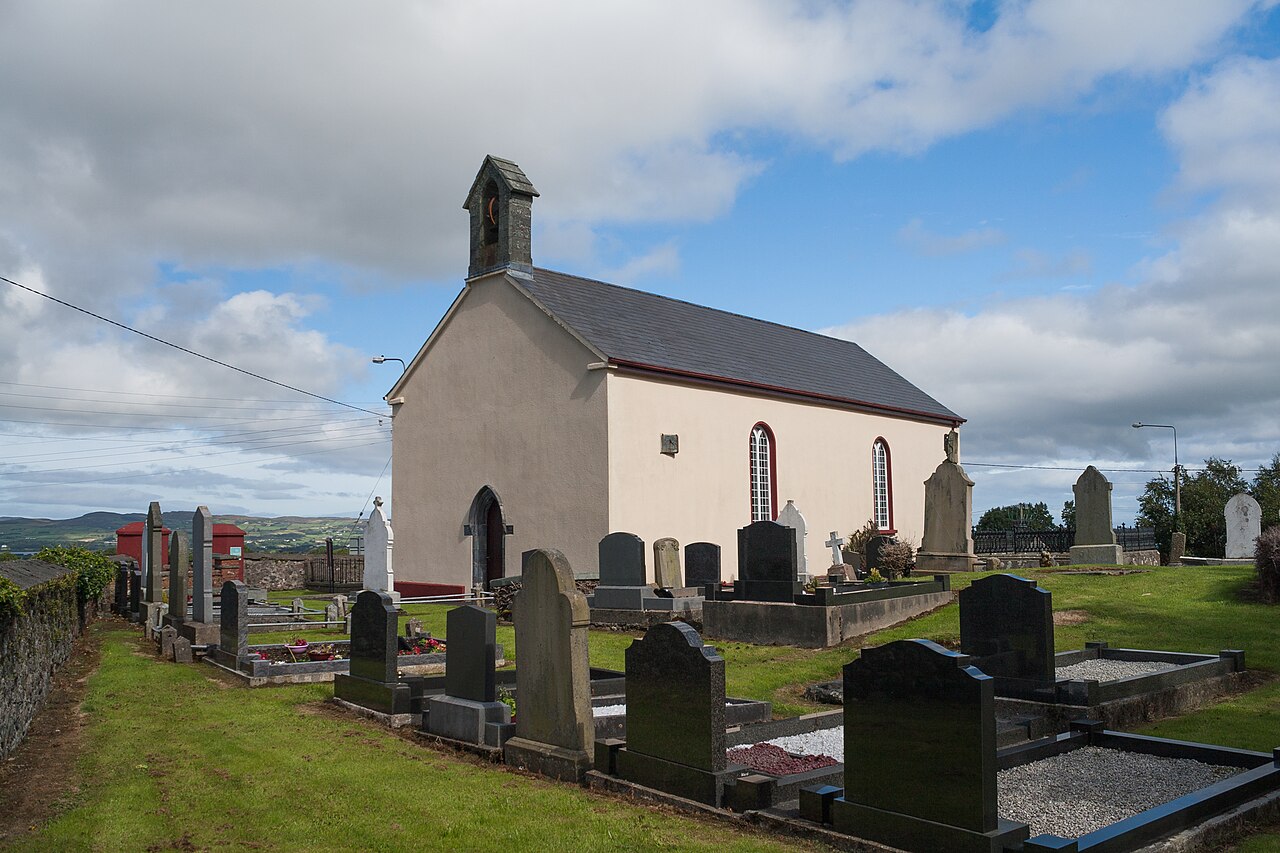 Carndonagh Early Church GraveyardGraveyard · 3.8 mi
 CastleCastle, unclassified · 3.8 mi
 CuldaffOfficial bathing water · 4.2 mi
 Bawn in CarrickabraghyBawn · 4.8 mi