What is recorded here
West of the South Cross, a broken granite slab lies flat in the Castledermot graveyard, its Latin cross still sharp enough to mark the edge of forgetting. The stone is small, barely larger than a outstretched arm, yet it carries the weight of every burial beside it. To touch its expanded terminals is to feel how much depth remains hidden under ordinary grass.
In the graveyard (KD040-002031-), to the W of the South Cross (KD040-002010-). A broken, recumbent granite slab (dims. L 0.64m; Wth 0.38m; T 0.17m) carries an incised Latin cross with expanded terminals. (Bradley et al. 1986, vol. 2, 102; Corlett 2003 93-94 Slab 4)
Date of upload: 8 September 2016
Dated to the early medieval period, likely between the 8th and 11th centuries, the cross-slab reflects Christian symbolism and may have served as a funerary or commemorative monument. Such stones are often associated with early monastic sites or local cemeteries, indicating the spread of Christianity in the region.
The monument record does not grant public access. Check the route and ask the landowner before entering private land.
- What survives
- Recorded monument
Places near here
 TombTomb, hogback · 16 yd
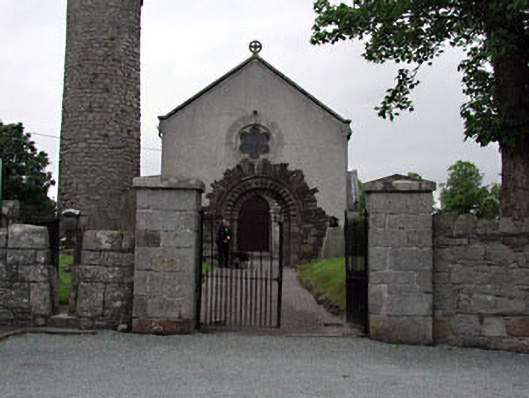 Saint James's Church (Castledermot)gates/railings/walls · 33 yd
 Castledermot Round TowerHeritage attraction · 35 yd
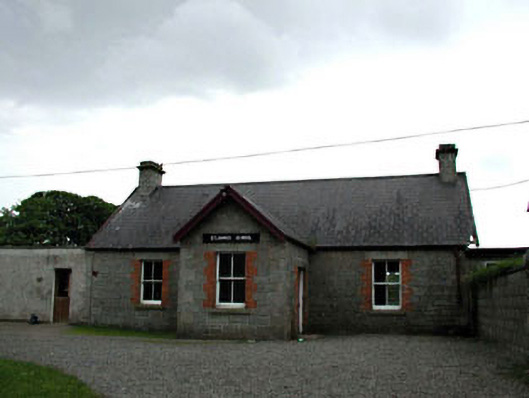 Saint James's Schoolschool · 47 yd
 CrossCross, High cross · 53 yd
 Franciscan FriaryHeritage attraction · 240 yd
 ProclamationMemorial · 635 yd
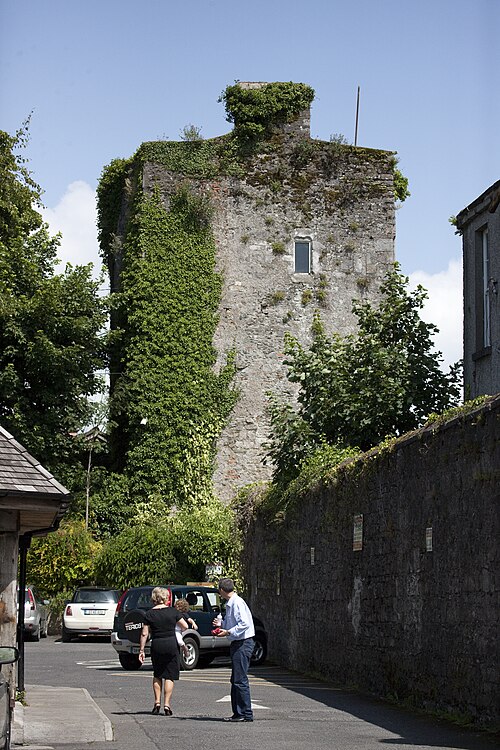 Kyledrumman Castle (in ruins)Castle, unclassified · 2.3 mi
 Lorcán Ó TuathailMemorial · 2.4 mi
 CastleCastle, ringwork · 2.4 mi
 Mullaghreelan WoodForest · 2.5 mi
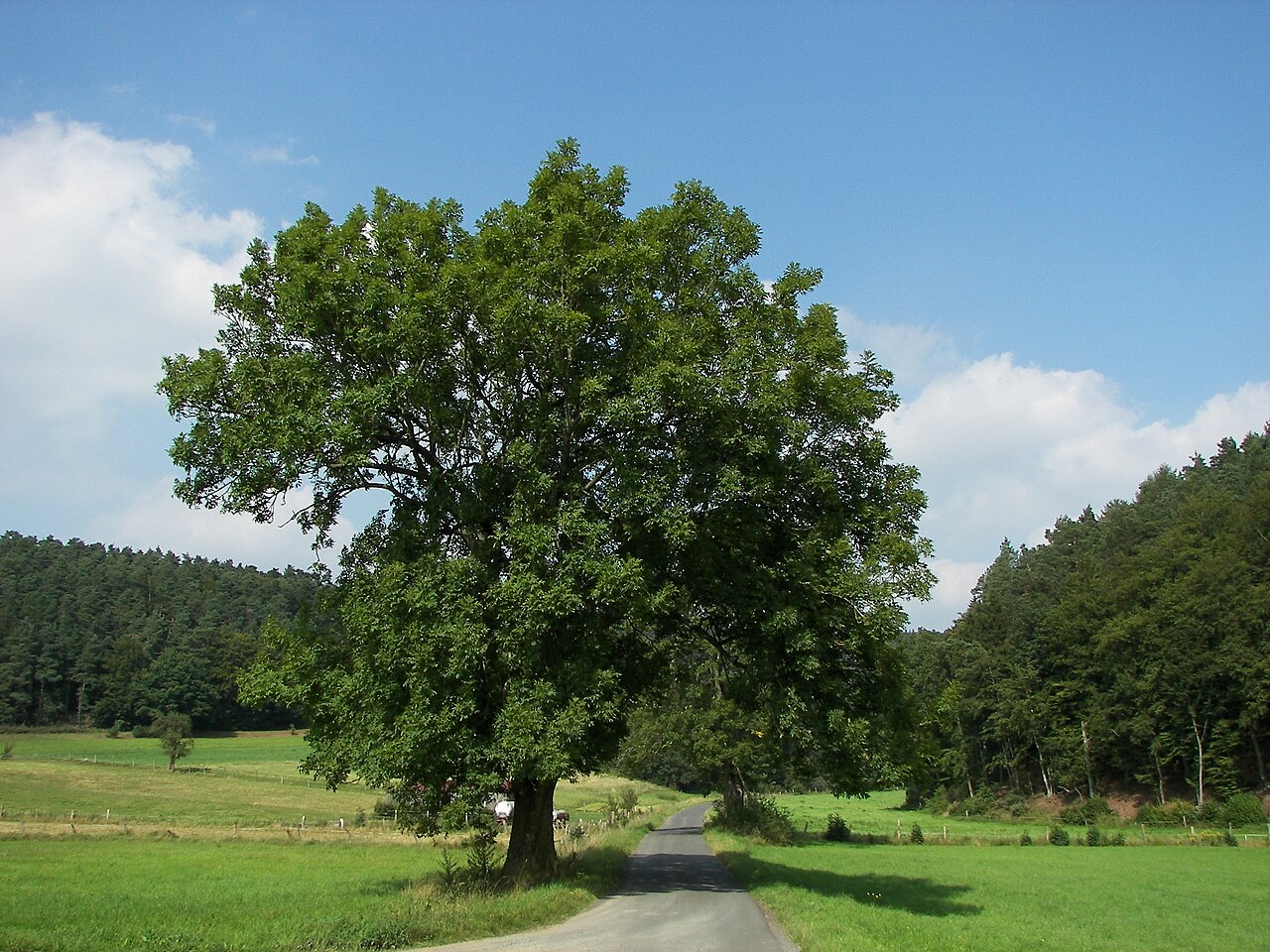 European ashEuropean ash · 3.1 mi