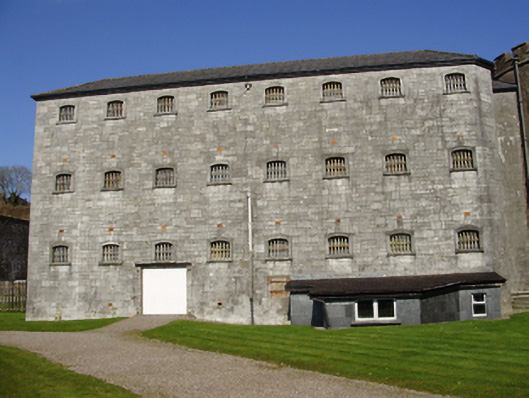
What is recorded here
Detached H-plan former gaol, built 1818-24, now partly in use as heritage centre. West cell block remodelled c.1870, comprising double-pile seven-bay three-storey double-sided cell block building with full-height end bow to west elevation. Hipped slate roof with rooflights and some cast-iron rainwater goods. Snecked limestone walls with chamfered corner to east. Segmental-headed window openings with cut limestone surrounds and sills and wrought-iron bars. Square-headed door opening to south elevation with cut limestone surround and replacement timber door. Triple-height arched hallway to interior, with catwalks to either side giving access to single cells. Segmental-headed door openings with red brick block-and-start surrounds to cells.
A large-scale former gaol, designed in the Georgian Gothic style, in a form more commonly associated with a castle than a purposely built prison. Designed by architect Sir Thomas Dean, work commenced in 1818 and its first inmates were admitted in 1824. Its castellated style and towers indicate the building's fortress-like function. Throughout the 1820s and 30s many prisoners were detained at the site while awaiting transportation to Australia. Ralph and Isaac Varian, Denny Lane, and Terence Bellew McManus are among the Young Irelanders who were incarcerated in the 1840s, while James Mountaine, John Sarsfield Casey and Brian Dillon, were Fenians who were held in the 1860s. The west wing was remodelled in 1870, creating a double-sided cell, replacing the former single-sided cell that mirrored the eastern wing. In contrast to the former cell block, the remodelled building gives a remarkable sense of space and light with its high arched hallway and catwalks on either side giving access to the cells. It is an interesting example of the changing theories in incarceration. By 1878, it was a women’s prison, and Hannah Reynolds, a Land League supporter was imprisoned in the 1880s, while Countess Markievicz was held in the 1900s. In 1922-3, male anti-treaty supporters were imprisoned, including Jim Hurley, Frank O'Connor, Mary Bowles, Todd Andrews and Sean McCarthy. It ceased to operate as a prison in August 1923.
This does not grant access. Most recorded buildings are privately owned; view them only from public ground unless the owner allows entry.
Places near here
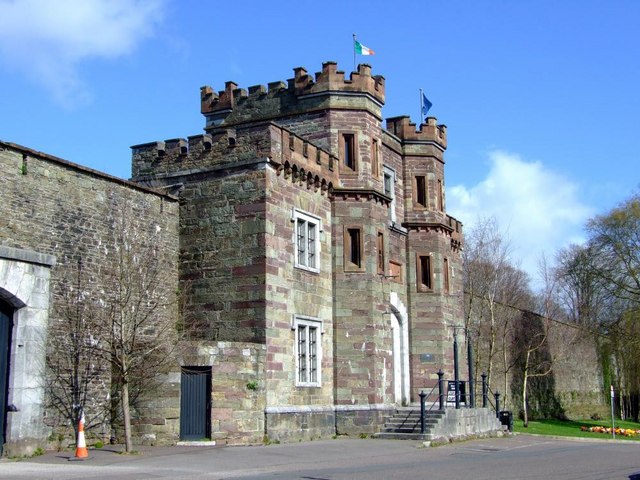 Cork City Gaolprison/jail · 79 yd
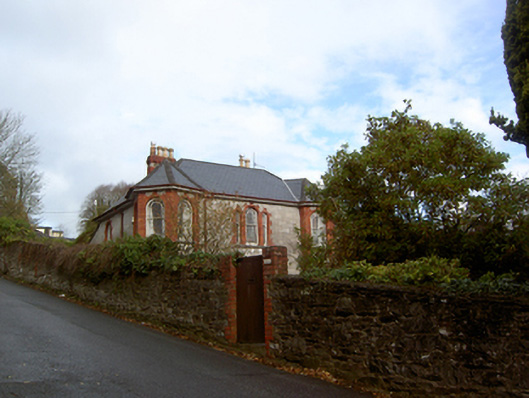 Lisinhouse · 82 yd
 Life In An Urban River: The LeeVisitor information · 383 yd
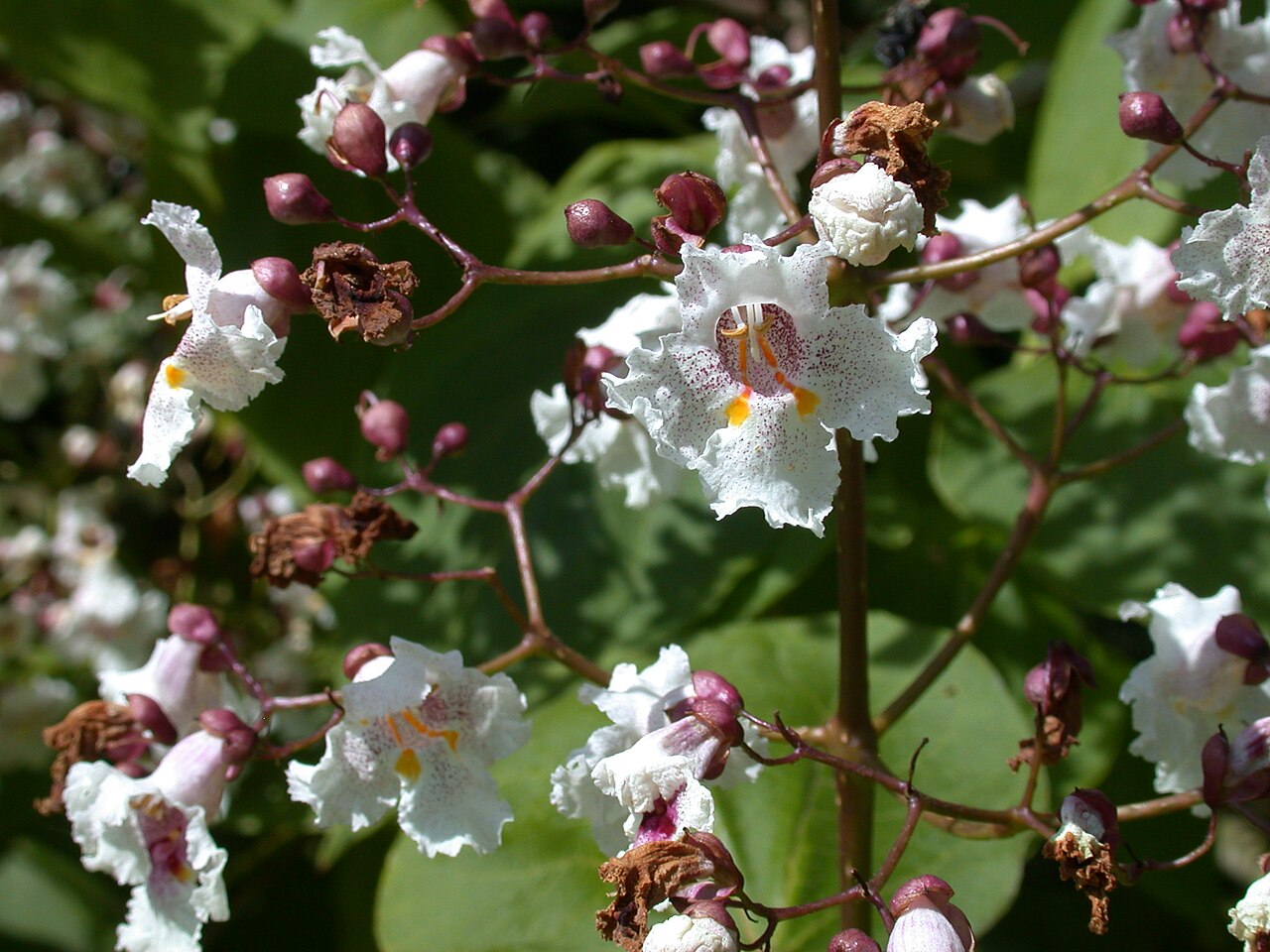 Hybrid catalpaHybrid catalpa · 492 yd
 Passage tomb art (present location) in Cork CityPassage tomb art (present location) · 532 yd
 Cork Public MuseumMuseum · 541 yd
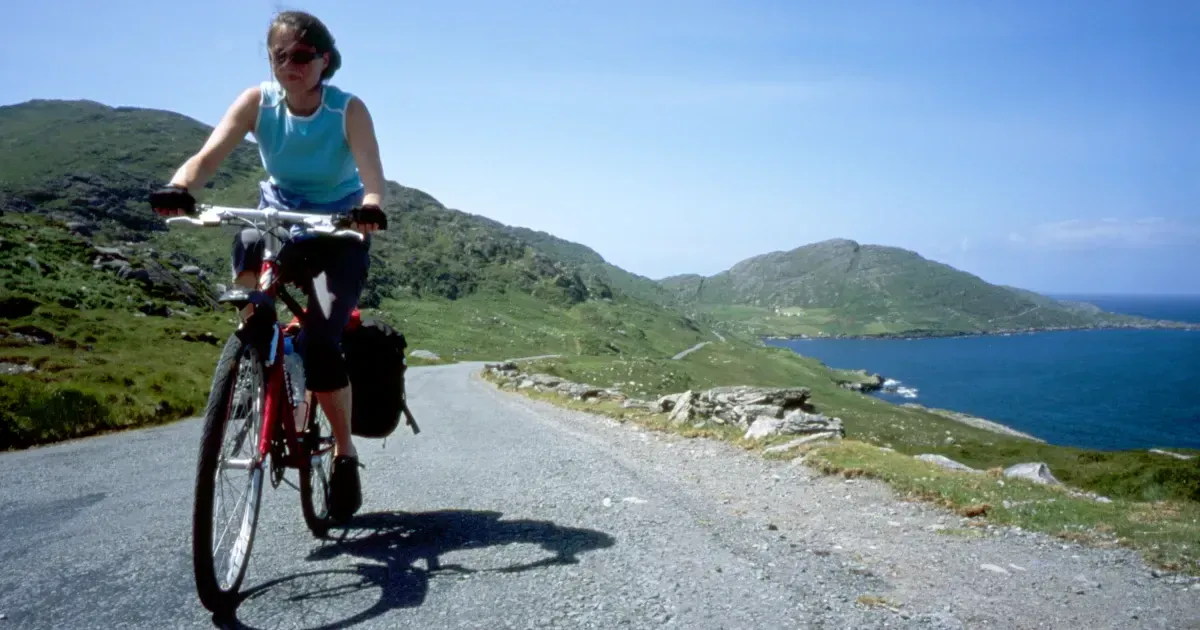 Cycling InformationVisitor information · 657 yd
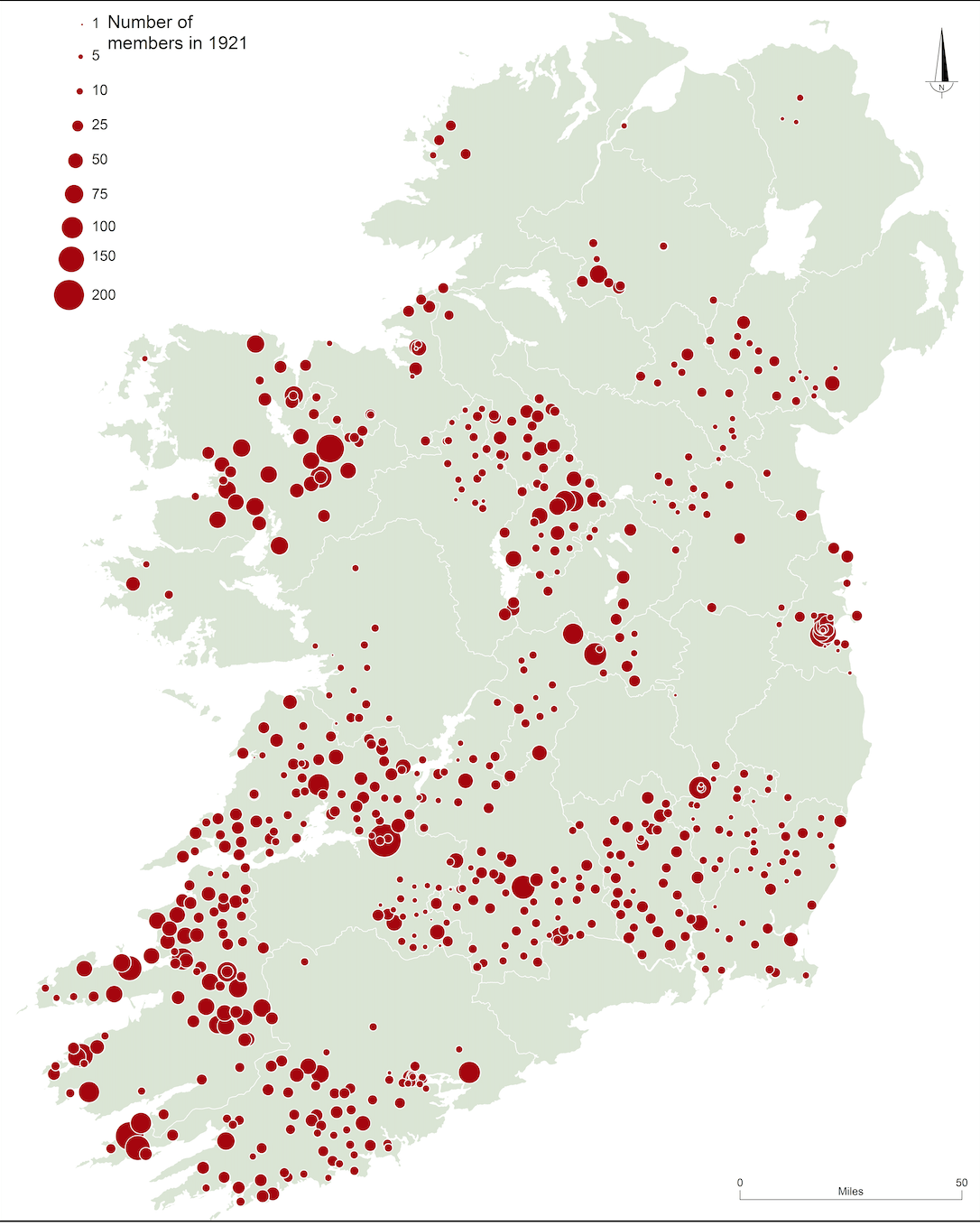 Cumann Uinsinn NaofaMemorial · 728 yd
 John Joe KavanaghMemorial · 812 yd
 Glucksman GalleryMuseum · 904 yd
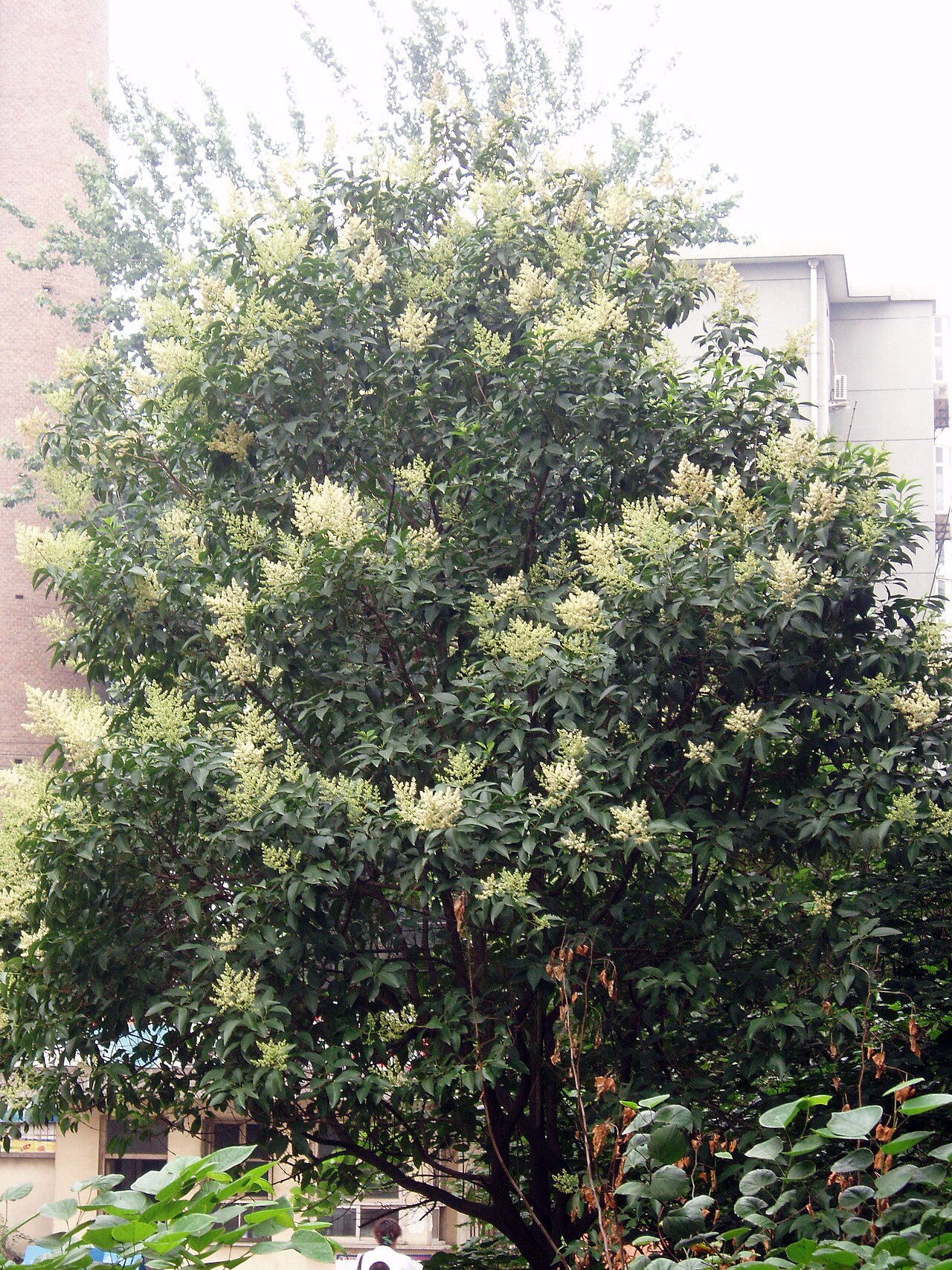 Glossy privetGlossy privet · 949 yd
 Gill Abbey (Site of) (1949-50)Religious house, Augustinian canons · 1094 yd
Other information
Photo: National Inventory of Architectural Heritage · Website use allowed for educational or private purposes with source credit