
More pictures of this place


What is recorded here
The ordinary view hides the useful part of the story. The railway line was laid in the mid-nineteenth century and still carries rail traffic, its continued use attesting to the quality of engineering employed in its construction.
Twin-arch stone railway bridge, built 1844-5, carrying Dublin to Belfast railway line over Clontarf Road. Comprises skewed segmental arches with dressed granite voussoirs, rubble limestone abutments and squared rubble limestone wing walls, rusticated limestone walling to spandrels and piers, with carved granite stringcourse and coping to ashlar limestone parapets.
The railway line was laid in the mid-nineteenth century and still carries rail traffic, its continued use attesting to the quality of engineering employed in its construction.
An accomplished piece of bridge engineering constructed by the Dublin and Drogheda Railway Company. The combination of rock-faced limestone and dressed granite provides visual and textural interest what is essentially a functional structure. The skewed arching allows the bridge to span the Clontarf Road at an oblique angle. Such arches require precise workmanship and display the skill and artisanship of masons employed by the railway company. The railway line was laid in the mid-nineteenth century and still carries rail traffic, its continued use attesting to the quality of engineering employed in its construction.
The story behind this place
The railway line was laid in the mid-nineteenth century and still carries rail traffic, its continued use attesting to the quality of engineering employed in its construction.
This does not grant access. Most recorded buildings are privately owned; view them only from public ground unless the owner allows entry.
Places near here
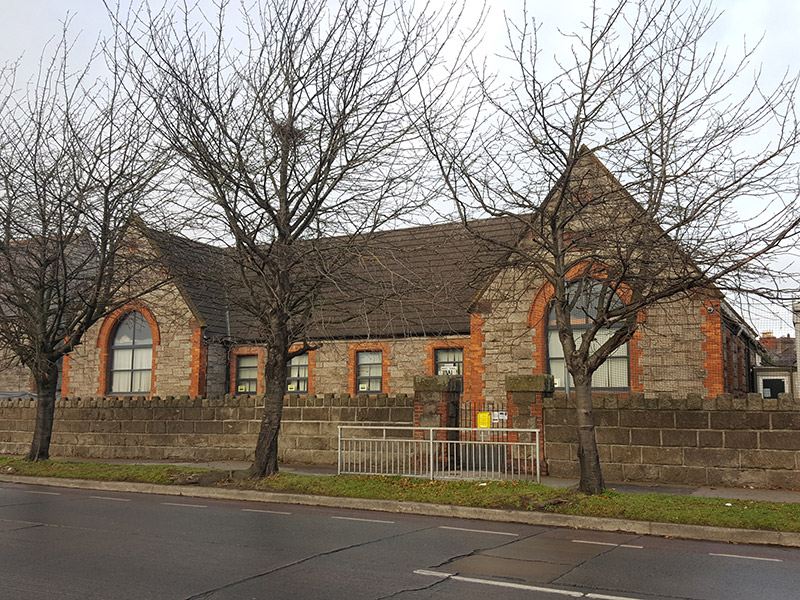 Howth Road Mixed National Schoolschool · 56 yd
 Clontarf and Scots Presbyterian Churchchurch/chapel · 101 yd
 Burial in Unknown TownlandBurial · 211 yd
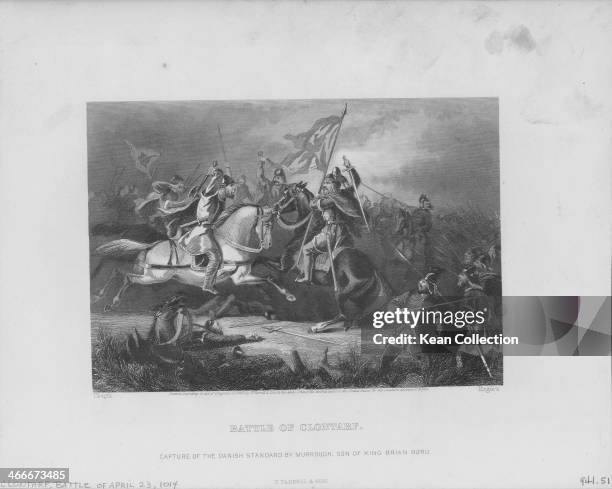 Battle of ClontarfVisitor information · 438 yd
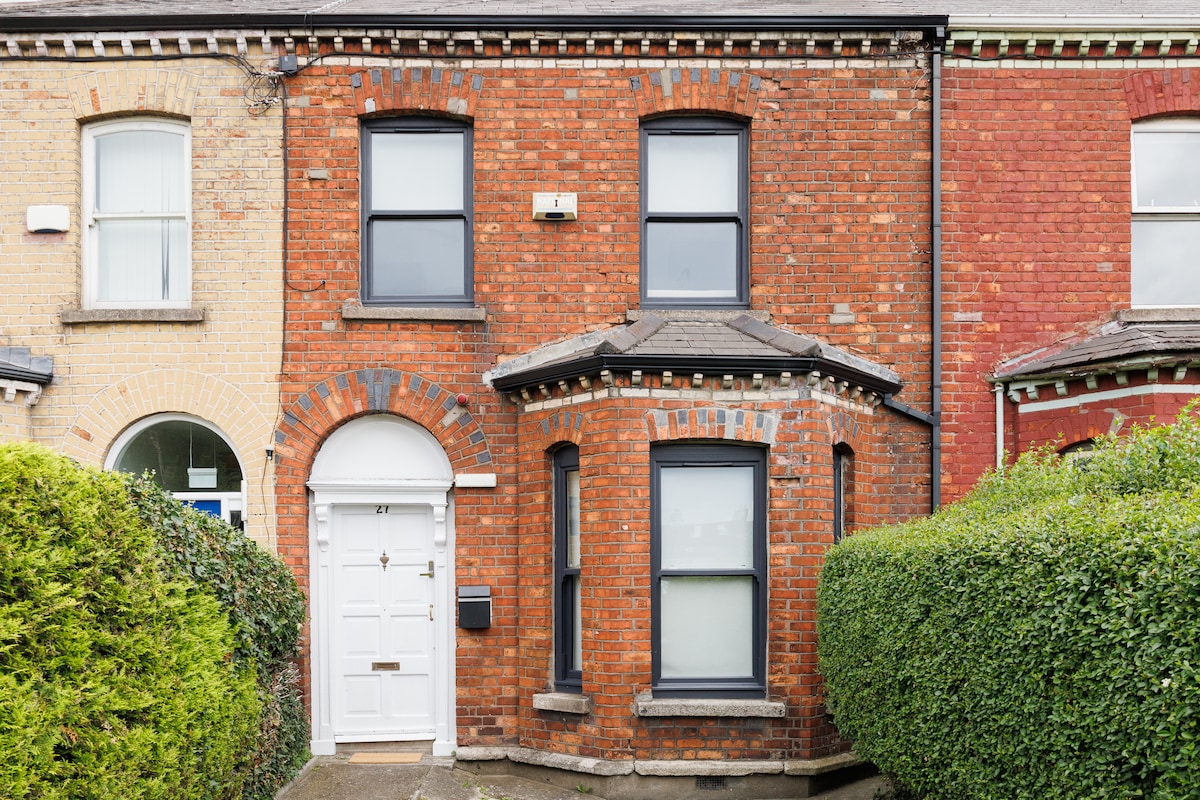 StudioGallery · 624 yd
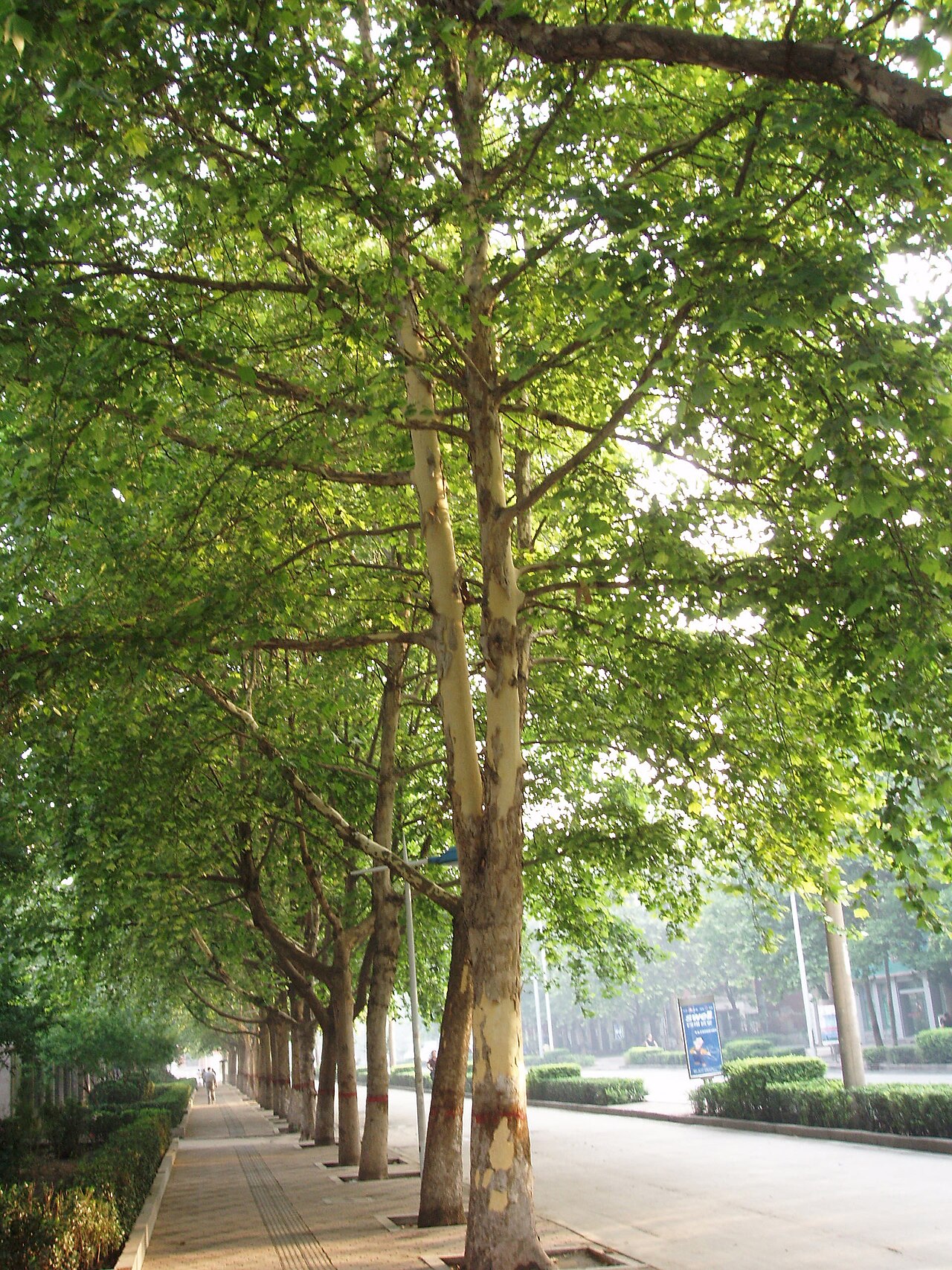 London PlaneLondon Plane · 647 yd
 East Point Business ParkVisitor information · 677 yd
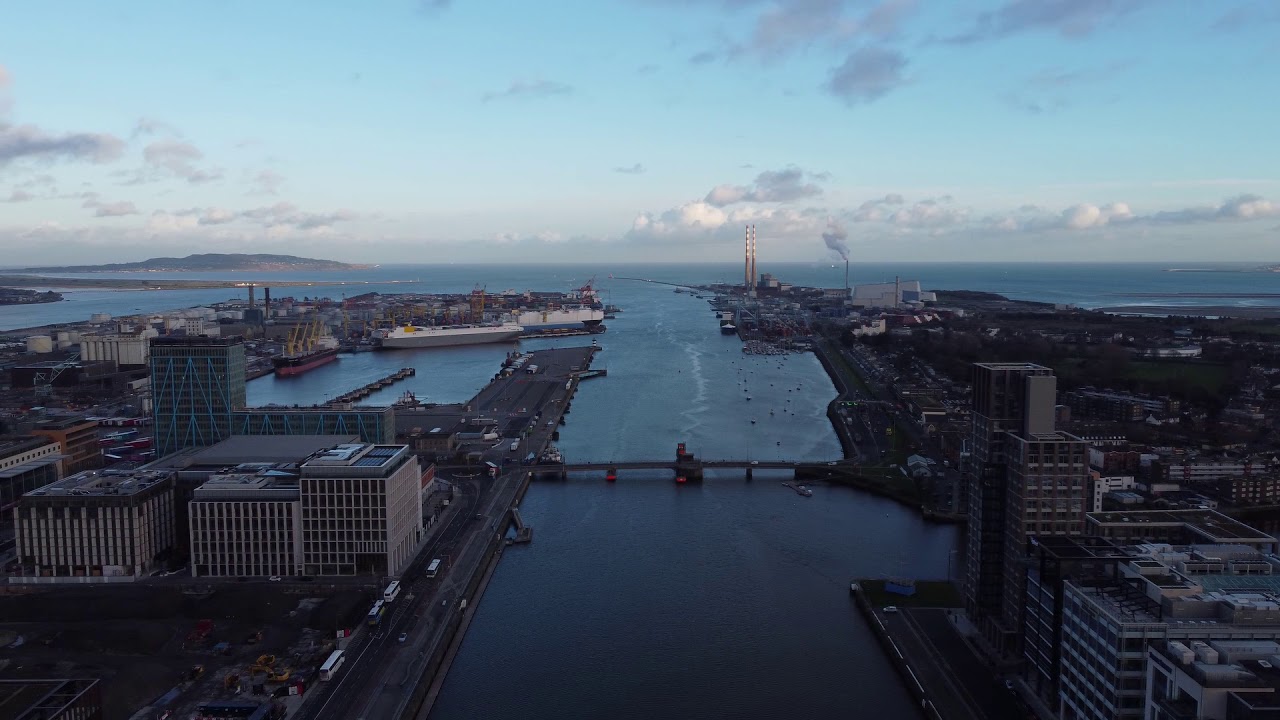 East PointMonument · 786 yd
 Seán Russell Memorial StatueMemorial · 887 yd
 Casino at MarinoHeritage attraction · 916 yd
 Clontarf War MemorialMemorial · 1686 yd
 St Josephs Asylum for the BlindCastle, unclassified · 1730 yd
Other information
Photo: Smirkybec · CC BY-SA 4.0