
What is recorded here
Monastery was founded here by St. Maedoc of Ferns who died in 625 AD (Gwynn and Hadcock 1970, 376). St. Patrick's Well (LI037-025006-) located c. 30m to SE, and sites of two holy wells to S of ecclesiastical enclosure (LI037-025004-): Lady's Well (LI037-025004-) c. 10m to SSW; and Sunday's Well (LI037-025005-) c. 50m to SSW.
North-of-centre in graveyard (LI037-025002-) both of which are situated in the centre of an early Christian ecclesiastical enclosure (LI037-025003-). Fragmentary remains of church nave (int.: 9.17m E-W; 5.07m N-S), built of rubble sandstone. Only N and W walls now stand, with short returns of inside of E (L 0.9m) and S (L 0.3m) walls; in 1840 its 'choir is entirely destroyed ... except a very small fragment near the south west corner ... the choir arch is much injured in its sides, but its semicircular head remains' (OSL vol. 1, 51). There is now no trace left of this chancel (choir). The west gable stands to full height but is squared-off at the top; in 1840 it had a 'little belfry' (bellcote), which was 'nearly down', and a 'semi-cyclopean doorway, which is now reduced to a formless breach' (ibid.). This wall was recently repaired and the doorway rebuilt (in 1984-5); the quality of this work is poor and already deteriorating. Built into the inside face of the wall is a stone (0.3m x 0.6m) with a circular perforation (diam. 0.1m) near one end.
Built up against the inside of the N wall is a burial tomb; opposite it on the outside face of the N wall is a plaque dedicated to the Sullivan family with dated of death ranging from 1682 to 1716 (latter date part of additional inscription) (OSL vol. 1, 52). Two stone fragments in graveyard, acting as gravemarkers, probably came from church.
Remains of parish church of Cloncagh (Westropp 1904-5, 413); form of chancel arch suggests a possible 12th/early 13th century date for chancel, though a 'cyclopean' W door might date the nave to slightly earlier.
Compiled by: Denis Power
Date of upload: 26 August 2011
Cloncagh Church was founded by St. Maedoc of Ferns in the 7th century and is associated with early Christian monastic activity in Ireland. The site includes a holy well dedicated to St. Patrick and reflects the religious significance of the area during the medieval period.
The monument record does not grant public access. Check the route and ask the landowner before entering private land.
- What survives
- Recorded monument
Places near here
 Grave YardGraveyard · 17 yd
 Dotted outlineEcclesiastical enclosure · 21 yd
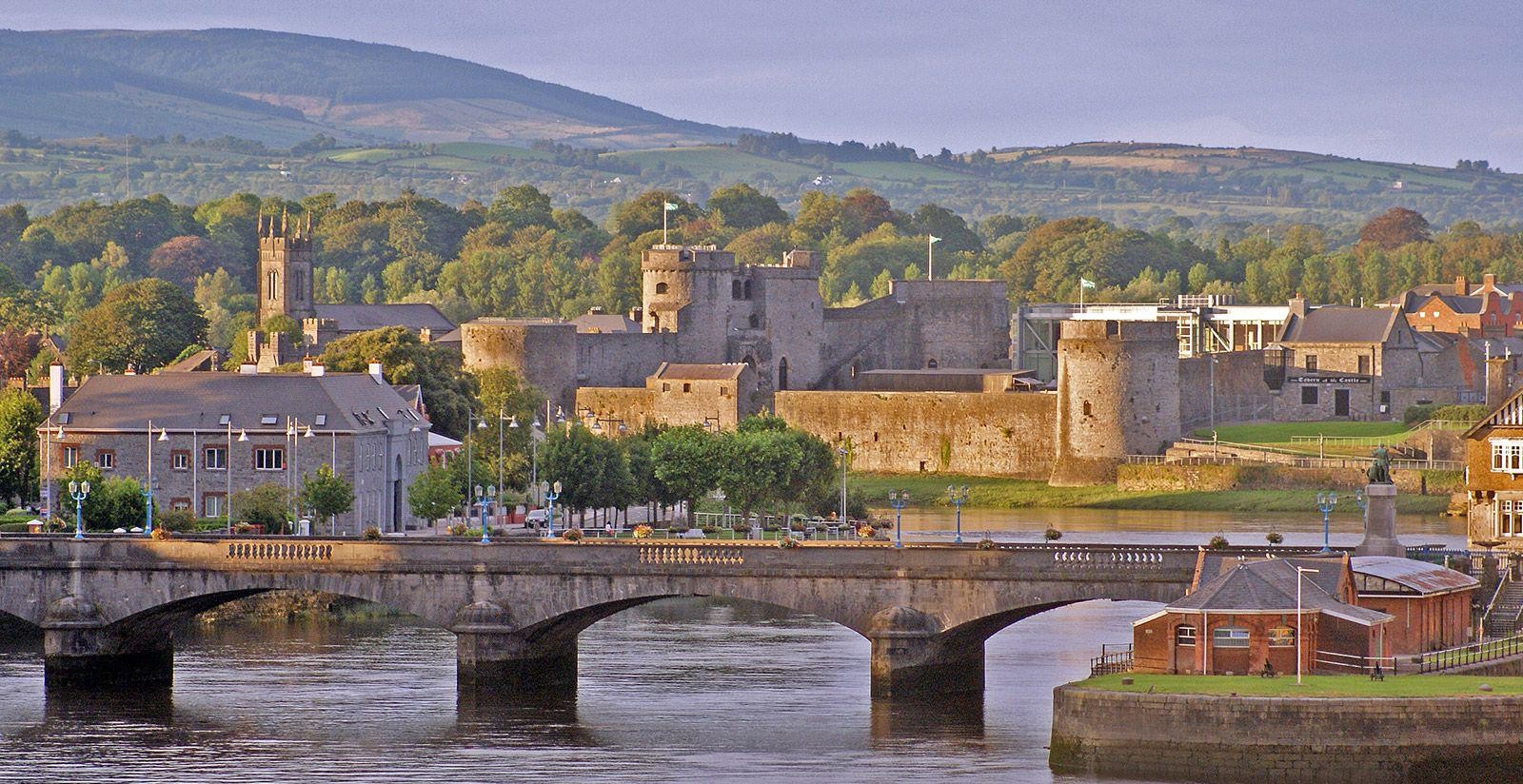 Lady's WellSpring · 122 yd
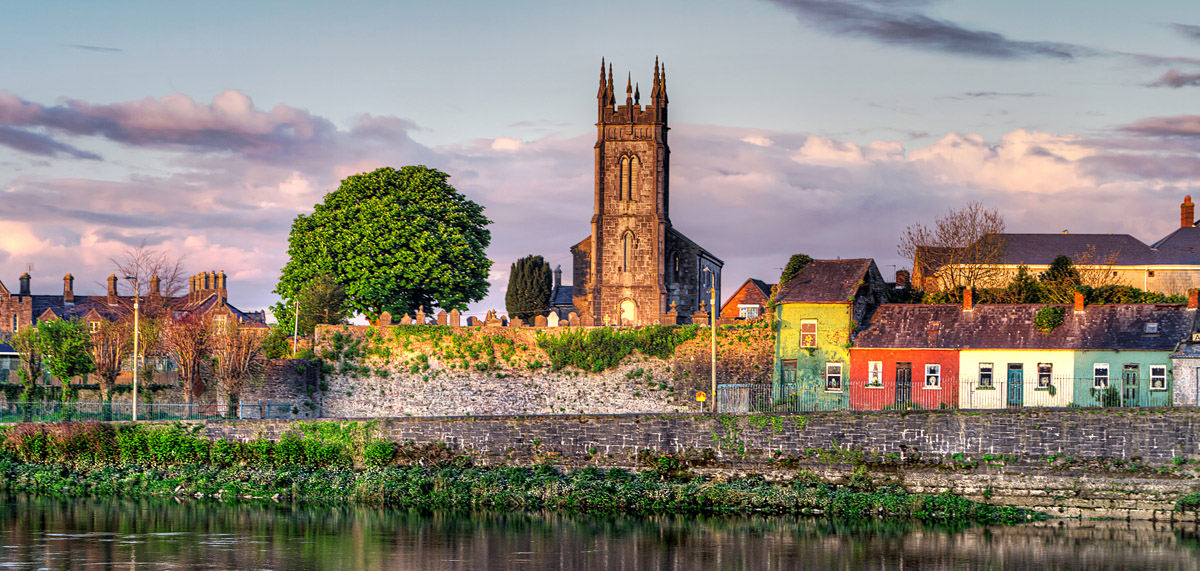 Sunday WellSpring · 184 yd
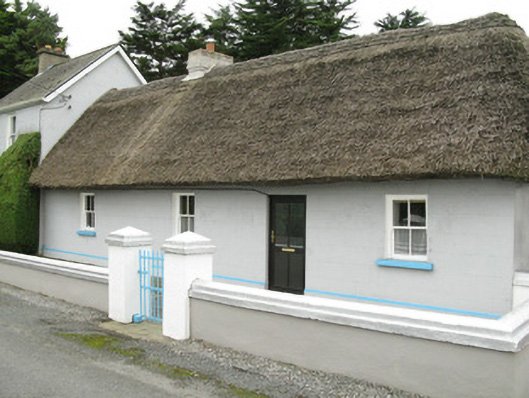 farm house, housefarm house, house · 190 yd
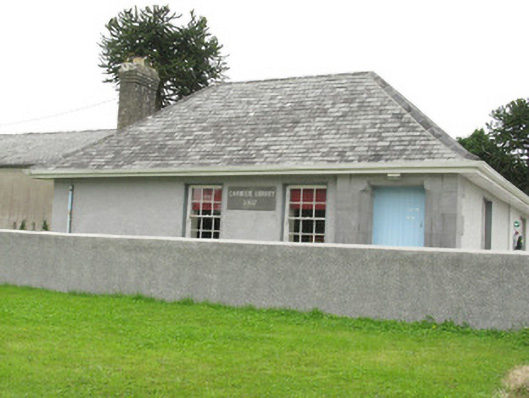 Cloncagh Carnegie Librarylibrary/archive · 570 yd
 Ballynoe Castle (in ruins)Castle, tower house · 1.7 mi
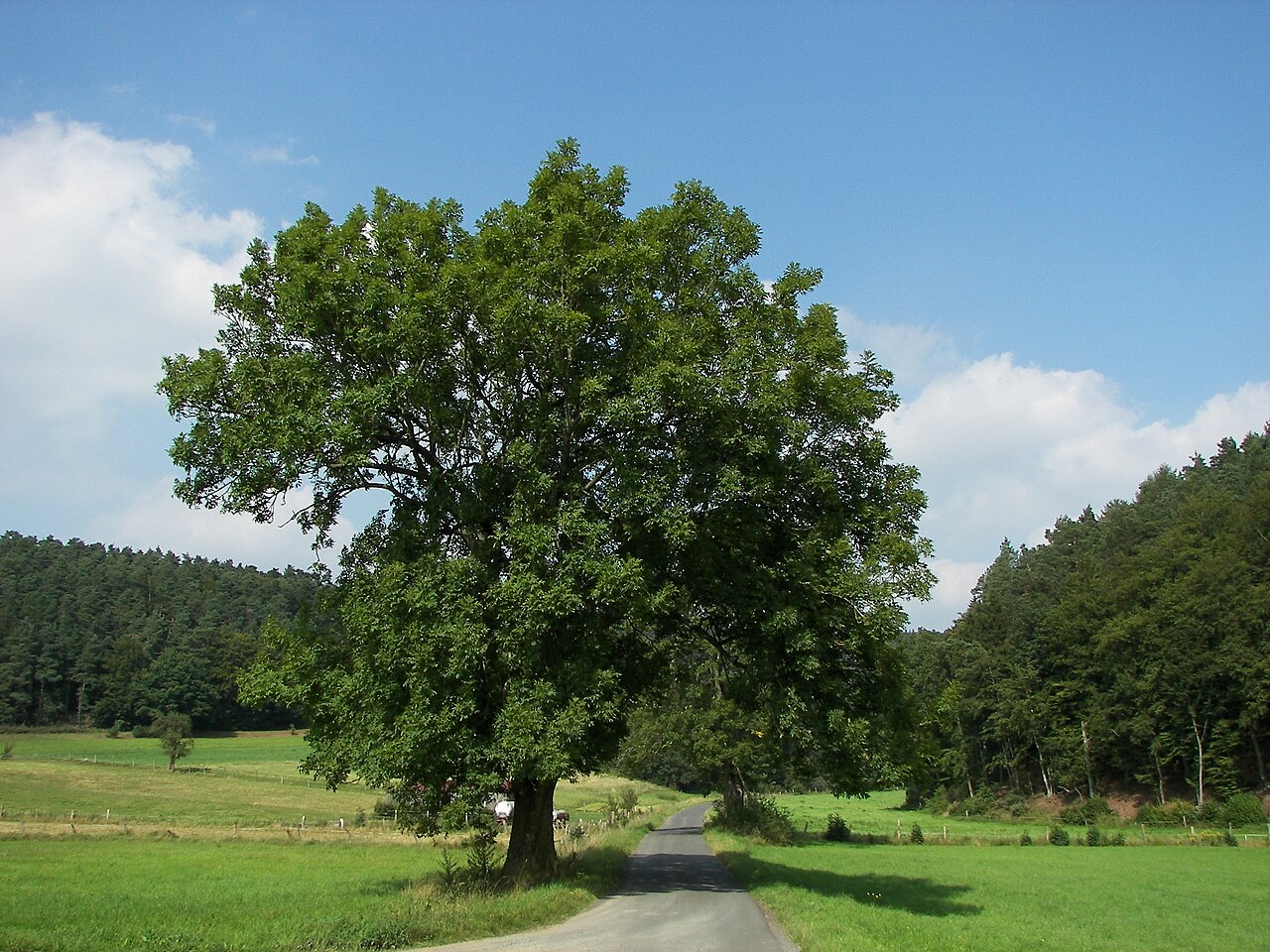 European ashEuropean ash · 2.7 mi
 CastleCastle, tower house · 2.8 mi
 Famine stoneMemorial · 4.3 mi
 KnockfeerinaMountain / peak · 4.9 mi
 Flat cemetery in Kiltenan SouthFlat cemetery · 6.0 mi
Other information
Photo: Credit not shown in the picture search · Rights wording not checked; contact us if this picture should be removed