What is recorded here
No visible chamber remains, only a flat field on a rise between the Goulaun River and Letterkeen Hill. In 1935 a local man opened a cist beneath a large slab and exposed cremated bones from at least two adults and a child, along with two food vessels. The dead had been set into that small stone box before the rath was built above them.
Located on a rise in the middle of a plateau bounded by the Goulaun River on one side and by the steep rise of Letterkeen Hill on the other, in an area of mountainous and boggy terrain.
In 1935 a local man found two food vessels with a quantity of cremated bone in a cavity or cist (c. 0.9m x c. 0.6m x 0.6m) beneath a large slab (c. 0.9m x c. 0.6m) in the SW quadrant of a rath (MA046-004007-). The finds were sent to the National Museum. The bones were found to comprise the remains of at least two adults and a child, and the cist was dated to the Bronze Age (Ó 'Ríordáin and Mac Dermott, 1950-51, 89-90). A subsequent excavation (E000015) revealed that the cist was part of a phase of activity that pre-dated the construction of the rath (Ó 'Ríordáin and Mac Dermott, 1950-51). A possible burial cairn (MA046-004001-), two other cists (MA046-004003-; MA046-004004-) and two pit burial (MA046-004005-; MA046-004006-) were also found, also dating to the Bronze Age.
Compiled by: Jane O’Shaughnessy
Date of upload: 9 April 2019
Cist in Letterkeen is a small stone burial chamber, likely dating to the Early Christian or Bronze Age period. Its location suggests it may be associated with early monastic settlements or earlier funerary practices in a remote and naturally defensible landscape.
The monument record does not grant public access. Check the route and ask the landowner before entering private land.
- What survives
- Recorded monument
Places near here
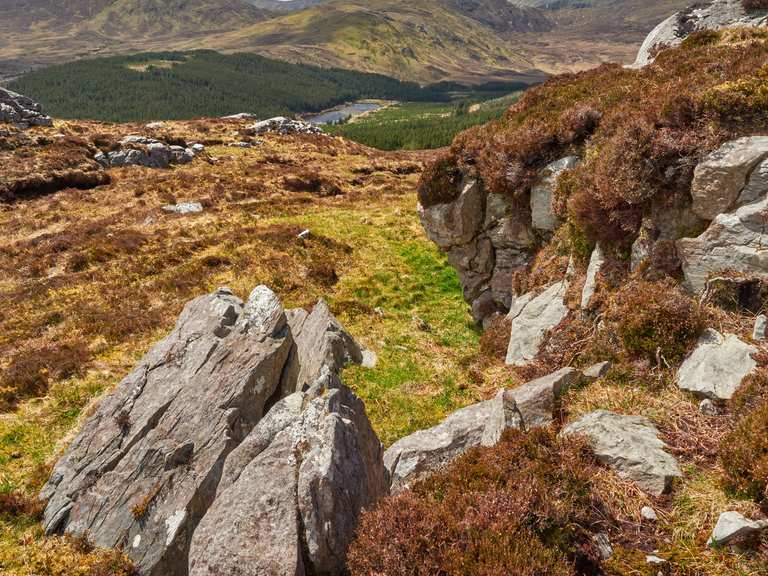 IndicatedFairy fort / earthen ringfort · 7 yd
 Letterkeen LoopWalking route · 1.8 mi
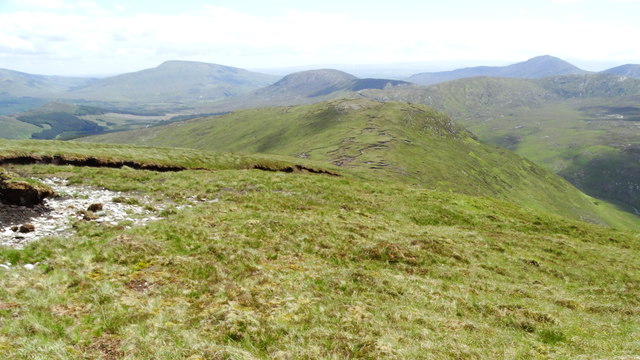 Nephin Beg South Top (Cruckgarru)Mountain / peak · 2.9 mi
 BirreencorraghMountain / peak · 3.1 mi
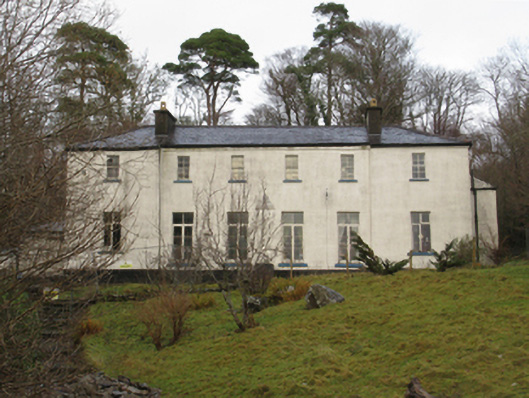 Treanlaur Lodgehunting/fishing lodge · 3.9 mi
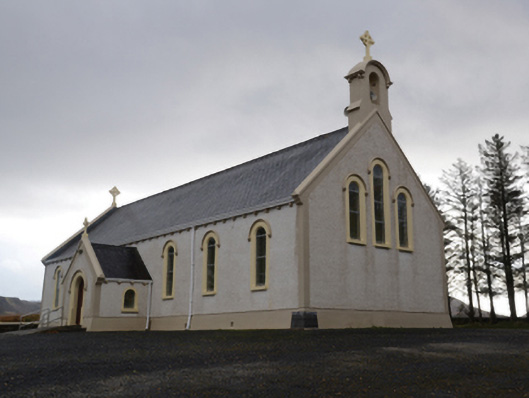 Catholic Church of the Holy Soulschurch/chapel · 4.3 mi
 RaweedoonminnonFairy fort / earthen ringfort · 5.7 mi
 Wild Nephin National ParkNature reserve · 5.7 mi
 Saints IslandIslet · 6.6 mi
 IslandmoreIslet · 7.8 mi
 Killeen CemeteryVisitor information · 7.8 mi
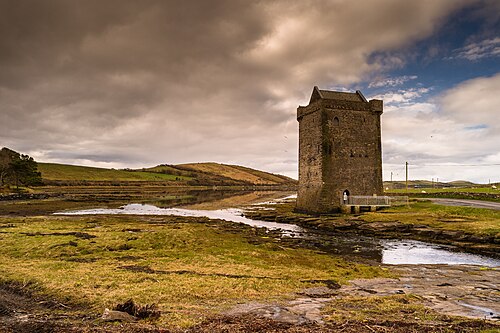 Rockfleet CastleCastle · 8.2 mi