What is recorded here
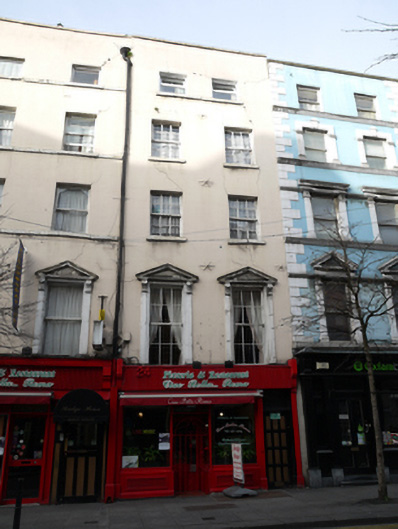
Attached two-bay five-storey former house, built c.1780, having shopfront to front (east) elevation. Now in use as restaurant and guest house. Hipped roof, set perpendicular to street, hidden behind lined-and-ruled rendered parapet with cut granite coping. Lined-and-ruled rendered wall to front having cast-iron wall ties. Square-headed window openings with cut granite sills, shared granite sill to fourth floor windows, pedimented entablatures to first floor windows, six-over-six pane timber sliding sash windows to first, second and third floors, replacement windows to fourth floor. Square-headed door opening having recent timber panelled door and overlight. Recent painted timber shopfront comprising pilasters, fluted consoles, square-headed window openings with timber framed windows, recessed square-headed door opening having glazed timber panelled door and overlight, with wrought-iron gate. Situated on west side and south end of Parliament Street.
Parliament Street is the first example of formal axial planning in mid-eighteenth-century Dublin. When George Semple designed the rebuilding of Essex Bridge (1753-55) his plan showed a new wide street linking the bridge to Dublin Castle, and this plan for Parliament Street was implemented by the Wide Street Commissioners in 1762. Many of the buildings, including this one, were altered and rebuilt in the nineteenth century. It shares a parapet height with its neighbours, lending a sense of continuity to the streetscape. The diminishing scale of fenestration to the upper floors attributes a hierarchy to each floor, creating a pleasantly balanced façade. Elaborate plaster embellishments, as seen to the first floor window surrounds, became fashionable in the nineteenth century, and articulate and enhance the façade, attesting to the skilled craftsmanship employed in its execution. The interior is reported to retain historic joinery and cornices. Historic maps show that the building was formerly numbered 8 Essex Bridge and described in Thom's Directory of 1862 as in use as a shop.
This does not grant access. Most recorded buildings are privately owned; view them only from public ground unless the owner allows entry.
Places near here
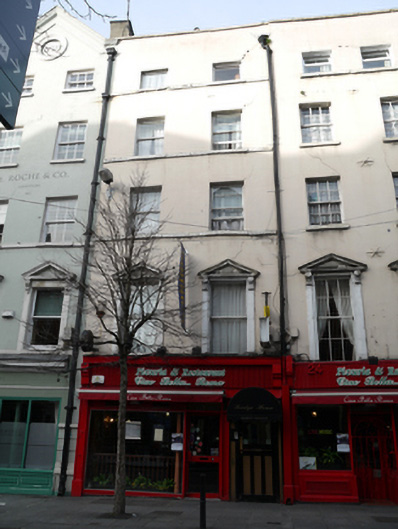 Ciao Bella Roma, The Bridge Househouse · 6 yd
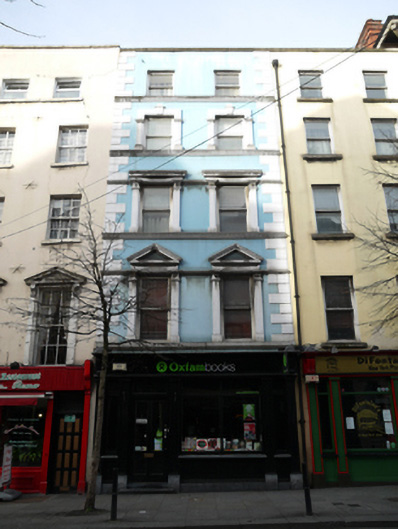 Oxfam Bookshouse, shop/retail outlet · 6 yd
 Newcomen BankVisitor information · 137 yd
 Dublin City HallHeritage attraction · 153 yd
 Tourist Information CentreVisitor information · 161 yd
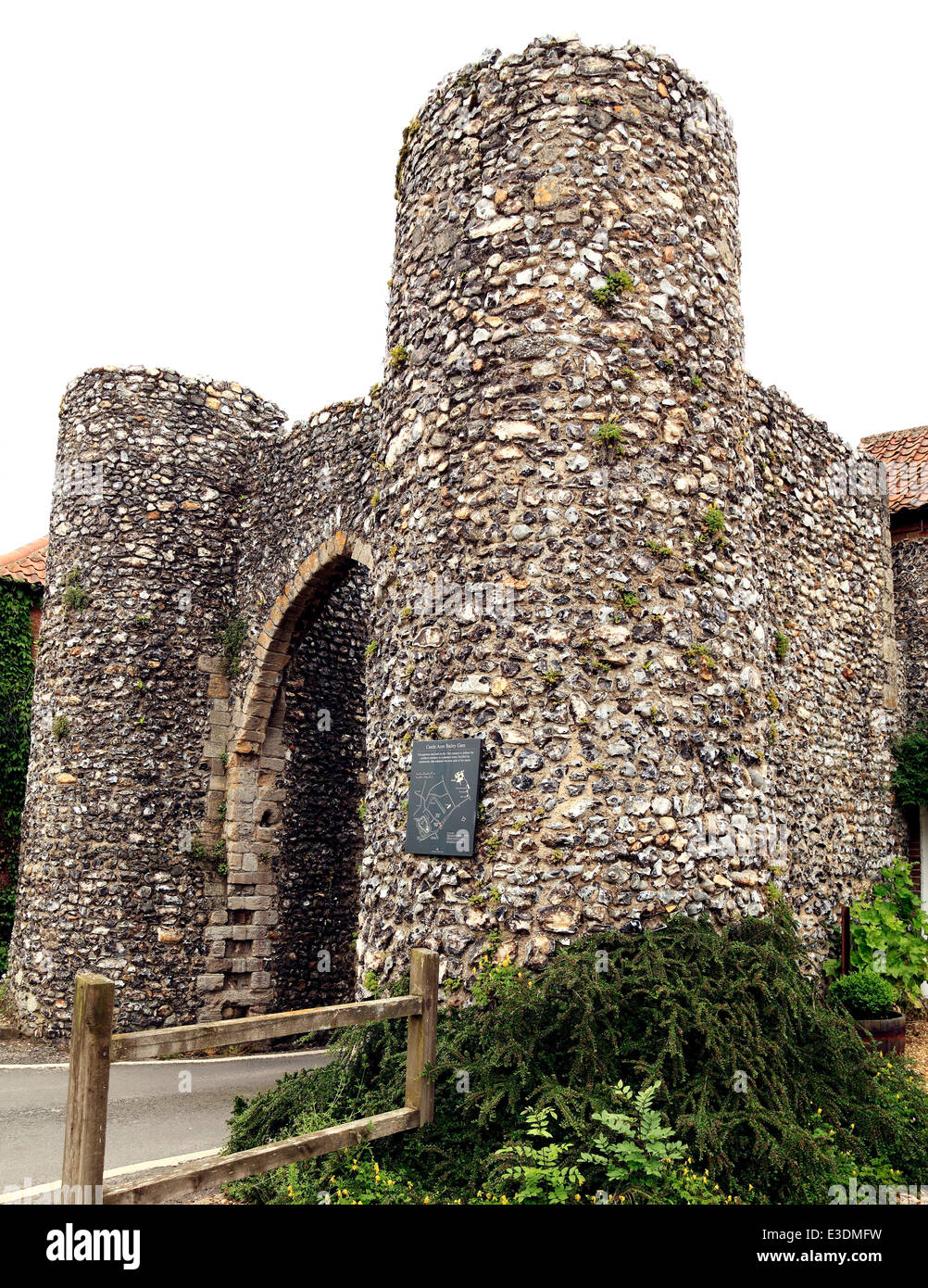 Town defences in Unknown TownlandTown defences · 231 yd
 CastleCastle, Anglo-Norman masonry castle · 237 yd
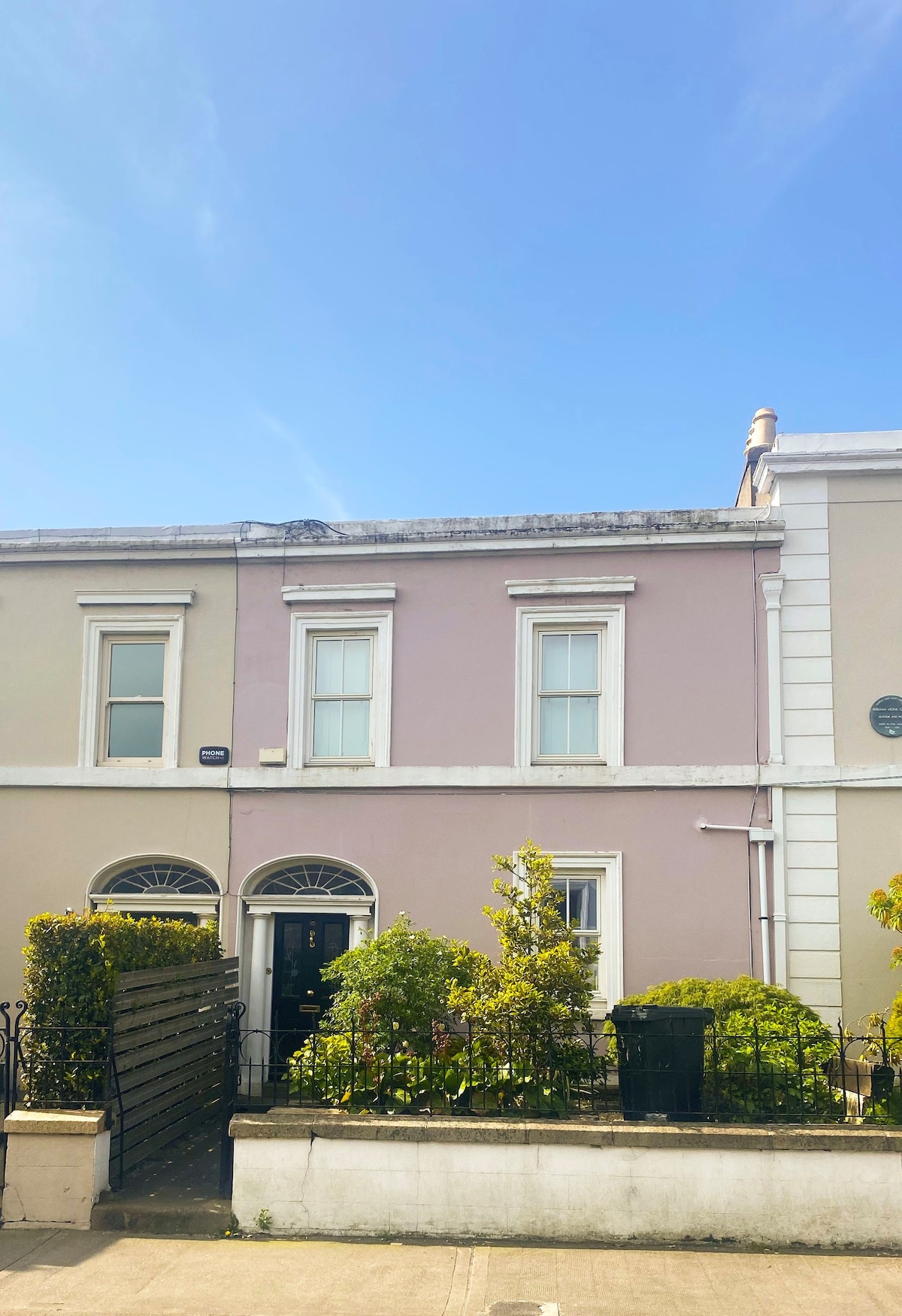 Ecclesiastical residence in Unknown TownlandEcclesiastical residence · 239 yd
 Dublin Castlegates/railings/walls · 275 yd
 John FieldMemorial · 305 yd
 Special Olympics MemorialMonument · 363 yd
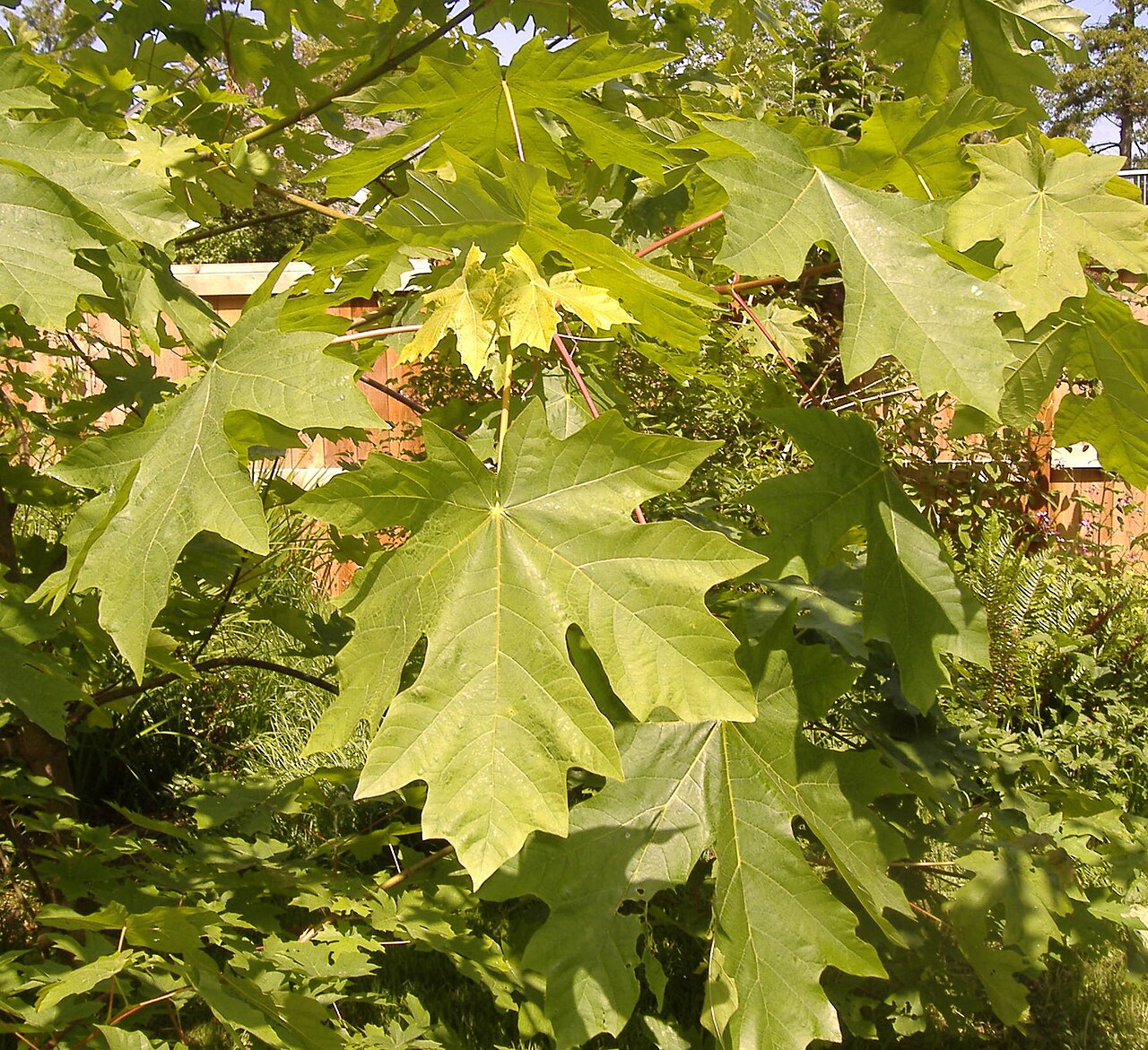 Bigleaf MapleBigleaf Maple · 804 yd
Other information
Photo: National Inventory of Architectural Heritage · Website use allowed for educational or private purposes with source credit